
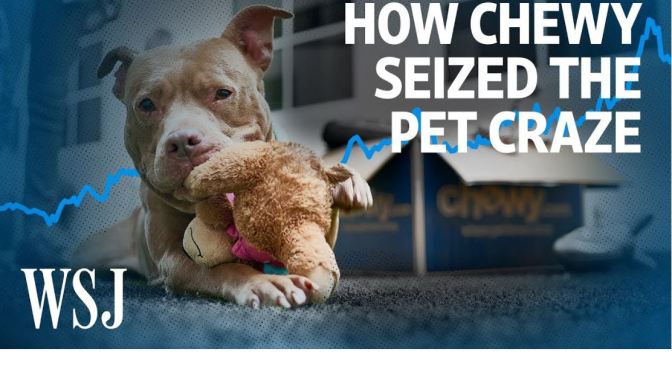
Online pet retailer Chewy has seen a surge of growth over the past year as millions adopted new pets. WSJ spoke with Chewy’s CEO to learn how the company handled the pandemic pet boom. Illustration: Jacob Reynolds/WSJ
Category Archives: Business
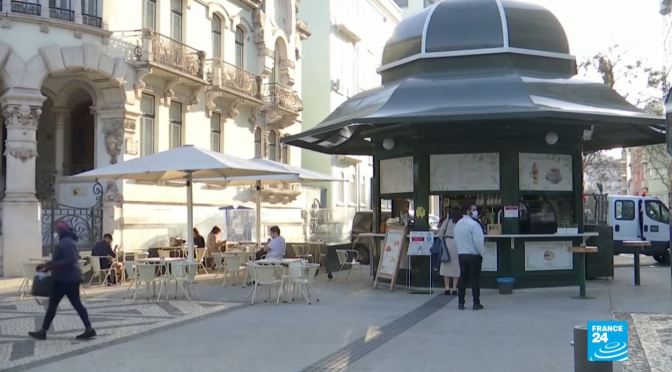
Views: Greece & Portugal Reopen For Business
Greece and Portugal are beginning to reopen parts of their countries and economies, even while other European countries enforce stricter lockdowns. Small retailers in most of #Greece reopened on Monday, with a limit of 20 people indoors at a time. Critics say it is a paradox to reopen shops while Covid-19 cases continue to rise and hospitals remain under pressure. Meanwhile in #Portugal, café terraces, gyms and secondary schools are opening.
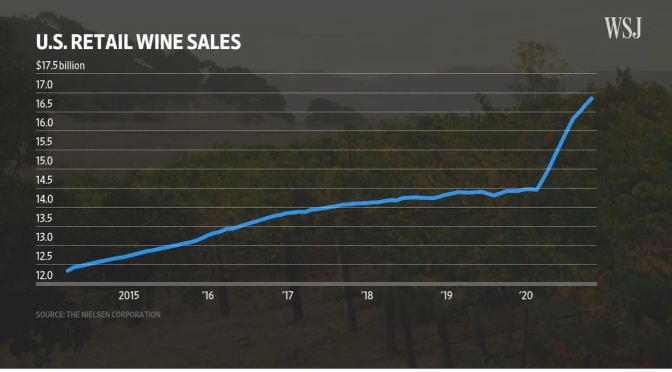
Analysis: Why California Winemakers Go Public
Two California wine companies are going public this spring, the first major wineries to do so since the late 1990s. Winemakers explain the lessons of past stock offerings from wineries like Mondavi and Ravenswood and why they think the time is now right to join the IPO fray. Photo: Jake Nicol/WSJ
Analysis: Are Delivery Apps Good For Restaurants?
While indoor dining has dropped way down during the pandemic, food delivery has grown considerably. DoorDash and Uber Eats, the two largest delivery apps by market share both saw their sales double from the end of 2019 to the end of 2020.
But while it might be an easy decision for customers to use these third-party delivery apps, the decision for restaurants is not so easy. There is a lot to consider, and it’s not a one-size-fits-all solution.
Cryptocurrency: The Challenges Facing New ‘Stablecoins’ (WSJ Video)
Bitcoin’s volatility has limited its adoption for payments, so entrepreneurs created stablecoins: cryptocurrencies pegged to assets such as the U.S. dollar. But the recent settlement of a probe into the most popular stablecoin, tether, shows the need for transparency in the growing industry. Photo illustration: Sharon Shi/WSJ
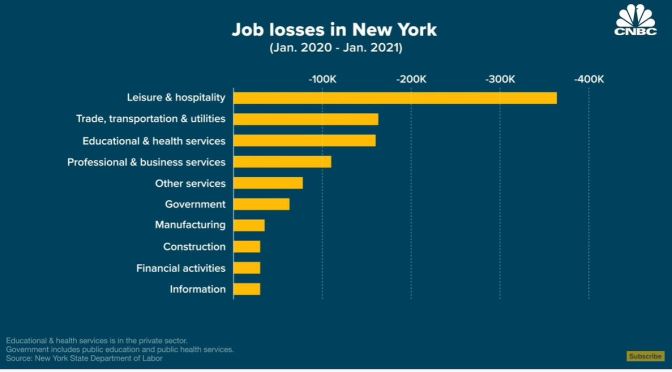
Analysis: Is New York City At Risk Of Bankruptcy?
Mass unemployment, colossal bankruptcies, and a shattered tourism industry have ravaged New York City during the coronavirus pandemic. In January 2021, Governor Andrew Cuomo proposed raising taxes on the wealthy, while cutting Medicaid and school spending to balance the multi-billion dollar budget deficit. Opponents say tax hikes could lead to a mass exodus of the wealthy New Yorkers who fund a large portion of the city’s revenue. Others say that the crisis has exasperated existing inequalities and cutting social services will only hurt those most affected.
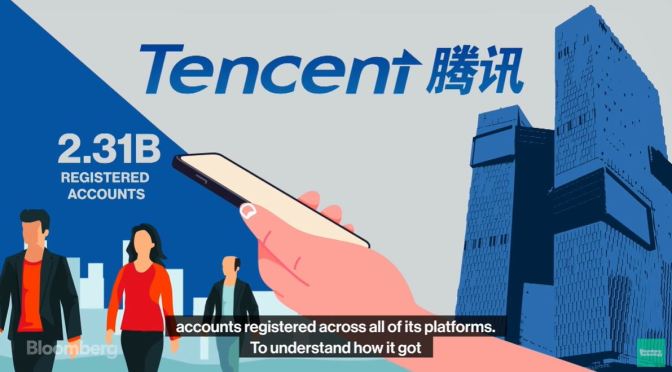
Analysis: ‘Tencent – China’s Most Valuable Company’
Mar.23 — In the space of two decades, Tencent Holdings Ltd. has become China’s most valuable company and Asia’s largest conglomerate. But with Chinese authorities stepping up scrutiny of the internet sector and cracking down on monopolies. it’s not clear if the WeChat owner will still have the same freedom to expand. Bloomberg Television’s David Ingles reports.
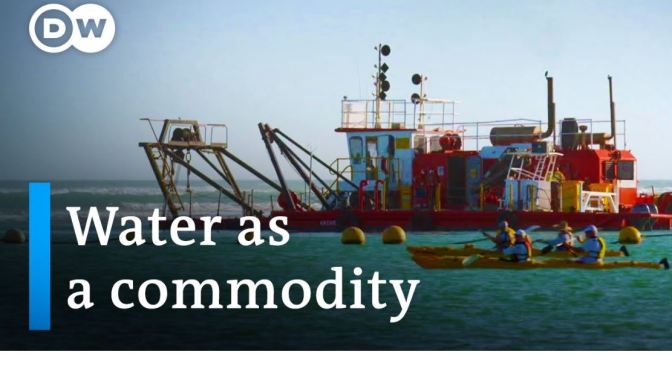
Analysis: Global Battles For ‘Water’ – A Necessity Or Commodity? (Video)
Water is fundamental to life, yet it’s also a scarce commodity. In many cases, greed and mismanagement are causing this life-giving essential to run dry. What happens when water is monetized? From Australia to California, from New York to London and Brussels, this investigative documentary tells the story of the global struggle over water.
Following rushes to secure gold and oil, the age of the water rush is now here. As well as growing populations and expanding agriculture, there are the problems of environmental degradation and climate change. Global demand for water is skyrocketing. By 2050, at least one in four people will live in a country with a chronic water shortage. The situation has awakened the greed of giant financial institutions, which are going on the offensive, investing billions in the sector. Goldman Sachs, HSBC, UBS, Allianz, Deutsche Bank and BNP are among those pouncing on the commodity known as “blue gold.”
But can fresh water really be considered a commodity on par with oil, coal or wheat? Should the players in these markets – banks and investment funds – be allowed to bet on the value of water? Will concern for profits undermine water’s essential function? Or should this precious resource be declared off-limits to financial speculators? A battle has broken out between those who advocate the monetization of water, and those who defend it as a human right. It’s a battle being fought on many fronts: ideological, political, environmental and, of course, economic. And the fate of the nearly ten billion inhabitants of our planet hinges on its outcome.
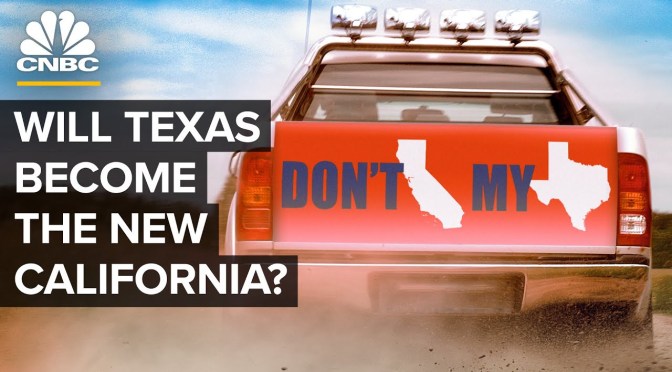
Analysis: Is Texas Now The New California? (Video)
Tesla’s gigafactory and Apple’s second-largest campus aren’t the only big businesses coming to Texas. From Oracle to Hewlett Packard Enterprise, Elon Musk to Joe Rogan, Texas has lured an increasing number of big businesses and billionaires away from California since the pandemic began. While California’s population and job growth both slowed to a trickle, Texas added more residents than any other state in 2020. CNBC talks to those moving and longtime Texans about the reasons behind the trend and what it could mean for the future of the Lone Star State.
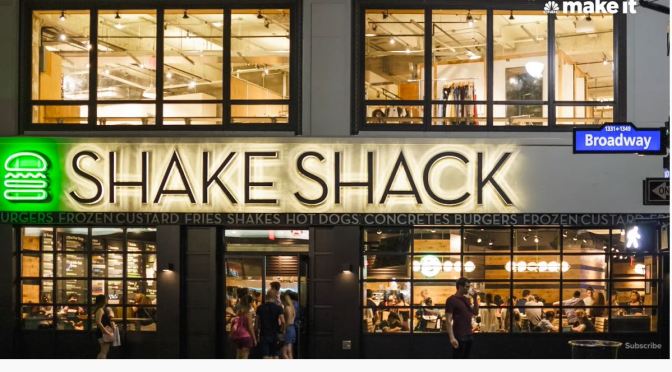
Video Profile: How Danny Meyer Built ‘Shake Shack’
It’s hard to think of a bigger restaurant success story over the last decade than Shake Shack. The high-end burger chain began as a hot dog cart in 2001 in New York City’s Madison Square Park by famed restaurateur Danny Meyer. The menu was handwritten written by Meyer on a single sheet of paper in about 10 minutes and is about 85 percent the same today.
But there’s so much more to this story. Like for three years after 9/11 that hot dog cart paid the bills at the crown jewel of Meyer’s restaurant empire, Eleven Madison Park. Or how he wasted over a million developing a line of French fries only to throw them away out of pure pride. If Danny Meyer is the heart and soul of Shake Shack, its longtime CEO Randy Garutti is the engine that powers it. Here’s how they built Shake Shack.
 Intellicurious