

From website FabianOefner.com:
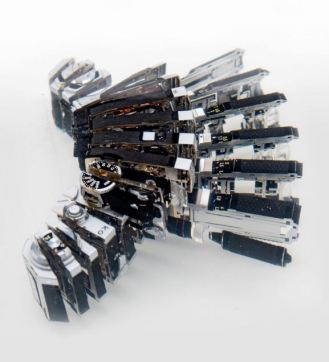 CutUp is closely linked to Oefner`s process of destruction and reassembly, that he previously used to create two-dimensional works like the Disintegrating or the Explosion Collage photographs. Rather than seeing destruction as something negative, the artist uses this process to break objects and images down into smaller pieces and reassembles them into new compositions, enhanced in both form, meaning and function from the original pieces.
Oefner deliberately selected still and video cameras to slice apart. This is an allusion to his earlier photographic work, where the image made with the camera is the “art” and the camera itself is merely a tool. For this series, the tool is transformed into a piece of art. It is at the same time a deconstruction of the technology of image capturing, revealing the beauty underneath the surface of these objects.
The series currently consists of 6 sculptures and will be expanded into many more in the future.
To read more click on following link: https://fabianoefner.com/cutup/#ms-365

 ‘It is the dream of every museum to bring its art as close as possible to the public and to share its passion and knowledge with the world,’ explains Isabelle Vanhoonacker, Managing Director of Public Services at RMFAB. ‘Thanks to The Frame by Samsung, this dream is now coming true.’
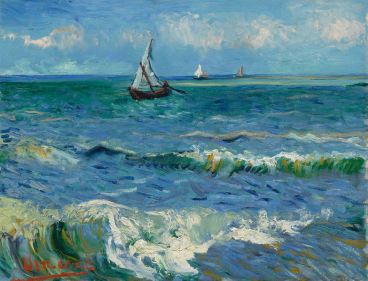 available on the Samsung Art Store for The Frame. Decorate your living room with the most famous masters from the largest Belgian art collection by making their iconic creations appear on The Frame. This discrete Samsung lifestyle TV can transform into your favourite work of art when switched off, seamlessly integrating into your living room.
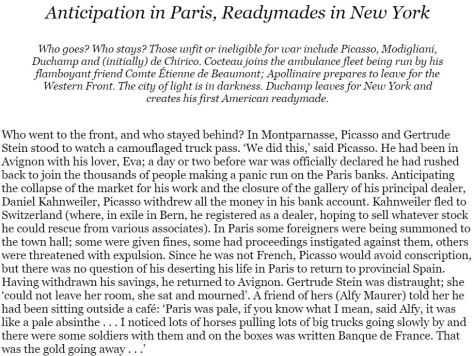
 In Montparnasse begins on the eve of the First World War and ends with the 1936 unveiling of Dalí’s Lobster Telephone. As those extraordinary years unfolded, the Surrealists found ever more innovative ways of exploring the interior life, and asking new questions about how to define art. In Montparnasse recounts how this artistic revolution came to be amidst the salons and cafés of that vibrant neighborhood.
 That’s the kind of astonishing illumination you’ll find in The Trojan War Museum, Ayşe Papatya Bucak’s debut story collection. These are stories that reflect the author’s Turkish heritage and a curiosity about our human search for meaning as profound as it is lyrical. The stories are music. They beguile and illuminate with narratives about yearning and desire, circumstance and courage, resilience and discovery. Reading them, while the reading lasts, replaces seeing.
 More than 1,600 museums nationwide will be opening their doors for free on Sept. 21 in honor of Museum Day.
 No Time to Die, as Bond 25 is called, will be out on April 8, 2020 in the U.S. and April 3 in the UK.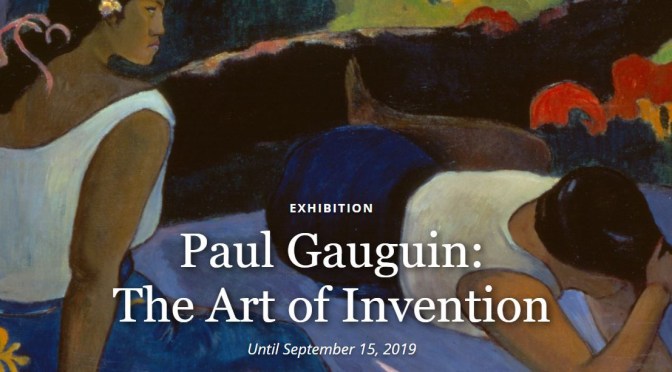
 Comprising 55 Gauguin masterworks on loan from Copenhagen’s Ny Carlsberg Glyptotek, as well as some 35 objects from the collection of the Saint Louis Art Museum, “Paul Gauguin: The Art of Invention,” now on view in St Louis, offers a superb overview and deep insight into the life, thought and art of this quasi-mythological being whose shadow looms large not only over artistic Modernism but over the very romantic notion of the artist who sacrifices everything for art.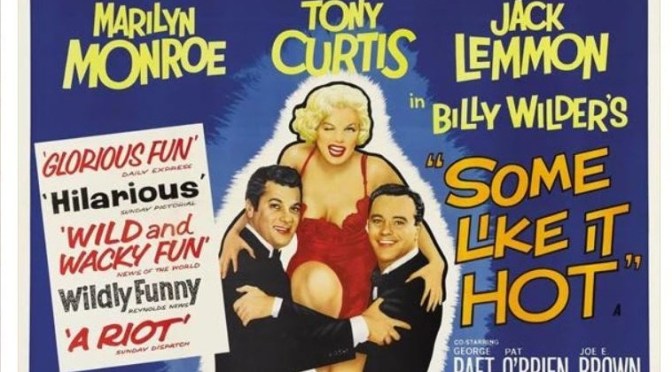
 Faced with the question of why Some Like It Hot has topped BBC Culture’s poll of the best ever big-screen comedies, it’s tempting to say something similar. Wilder’s glittering masterpiece doesn’t just use the handsomest kid in town (and a terrific actor, to boot), but its most radiant sex symbol, Marilyn Monroe, and one of its most dexterous comedians, Jack Lemmon. It also has a bevy of bathing beauties, a crowd of sinister mafiosi, a glamorous seaside setting in the roaring ‘20s, and a sizzling selection of songs.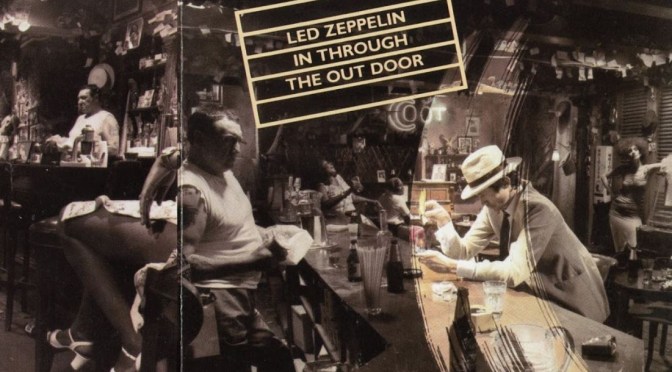
 The album was rumored to be originally titled Look, but the title was changed to In Through the Out Door as a nod to the band overcoming their struggles. (“That’s the hardest way to get back in,” Page said).
 At the center of the attack on those of us born between 1946 and 1964, days when the U.S. birth rate was extraordinarily high, is our supposed radical individualism. Its roots are said to be found in the excesses of the 1960s, a decade for which “boomers have become fall guys.”
 Intellicurious