Her work explores gastronomy, travel, lifestyle, architecture and pop culture for selected clients including Vogue, The New York Times, Wall Street Journal, Tmag, Afar, Vanity Fair France, M le Magazine du Monde, LVMH, Nespresso, Free People, and Penguin Press among many others.
 Jessie Kanelos Weiner is a Franco-American illustrator, author and food stylist based in Paris and New York. Born and raised in Chicago, she was a costume designer in a previous life when picking up watercolor for the first time, developing her highly detailed, whimsical and instantly recognizable style. She is the coauthor of “Paris In Stride” (Rizzoli), author of “Edible Paradise”: A Coloring Book of Seasonal Fruits and Vegetables” (Universe) and 8 cookbooks published by Editions Marabout.
 She is currently working on the next book in the “In Stride” series.
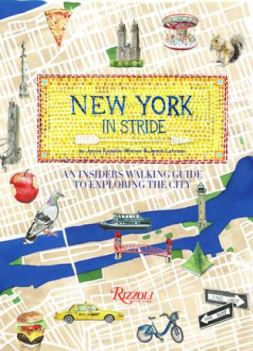 The book features eleven curated neighborhood destination walks–guiding the reader through the energetic New York streets, passing restaurants and coffee shops, historical sights, museums and galleries, parks, and the kind of authentic and timeless sites that one hopes to find when imagining the city. Interwoven throughout are insider guides on how to eat like a New Yorker; explore the city’s most beautiful parks and gardens; navigate transit via ferry, subway, and bike; visit some of NYC’s most iconic TV and film locations.
 Located in Bordeaux’s former submarine base, the BASSINS DE LUMIÈRES will present monumental immersive digital exhibitions devoted to the major artists in the history of art and contemporary art. The submarine base’s surface area is three times the size of that of the Carrières de Lumières in Les Baux-de-Provence and five times that of the Atelier des Lumières in Paris.
 and not the other way around. With this, we are making almost every car park electric, without any complex individual infrastructural measures”, summarises Mark Möller, Head of Development at Volkswagen Group Components.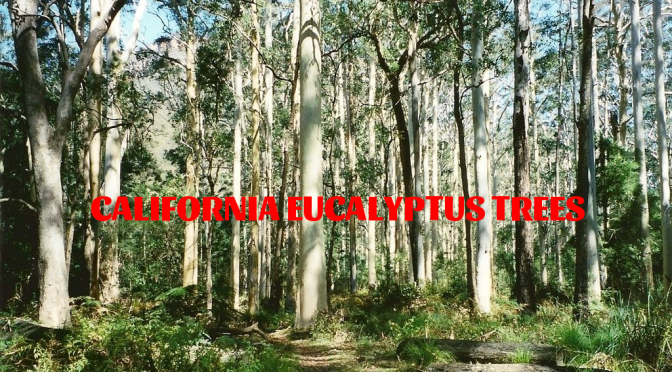
 The real California, though, the California of immigrant dreams that break and get reborn, of lives as they turn out not as they are planned, is the California of the eucalyptus.
 Like his friend John Muir, Lukens believed that California desperately needed more forests. Since the mid-19th century forests, and their loss, had been the principal focus of conservationist thought in America. According to Jared Farmer, who traces the history of the eucalyptus in California in “Trees in Paradise” (2013), Lukens and Muir were particularly keen on growing forests as a way to provide water—always a key to power in the state. Trees brought rain and captured fog and moisture; without forests, the men feared the state’s great cities would dry up.
 During this year’s Monterey Car Week, all four of Bugatti’s hallowed Type 59s were reunited for the first time since 1935. We spoke to the man who pulled off arguably the most historically significant automotive rendezvous of the decade…
 driving forces behind the introduction of the twin-cam engine, Ettore Bugatti created the ultimate expression of his jewel-like Grand Prix car.