
First this week, Contributing Correspondent Cathleen O’Grady talks with host Sarah Crespi about controversy surrounding the use of Botox injections to alleviate depression by suppressing frowning.
Next, researcher Stephen Zhang, a postdoctoral fellow at the Beth Israel Deaconess Medical Center, discusses his Science Advances paper on what turns on the fruit fly sex drive. Finally, we are excited to kick off a six-part series of monthly interviews with authors of books that highlight the many intersections between race and science and scientists. This week, guest host and journalist Angela Saini talks with Keith Wailoo, professor of history and public affairs at Princeton University, who helped select the topics about the books we will be covering and how they were selected.
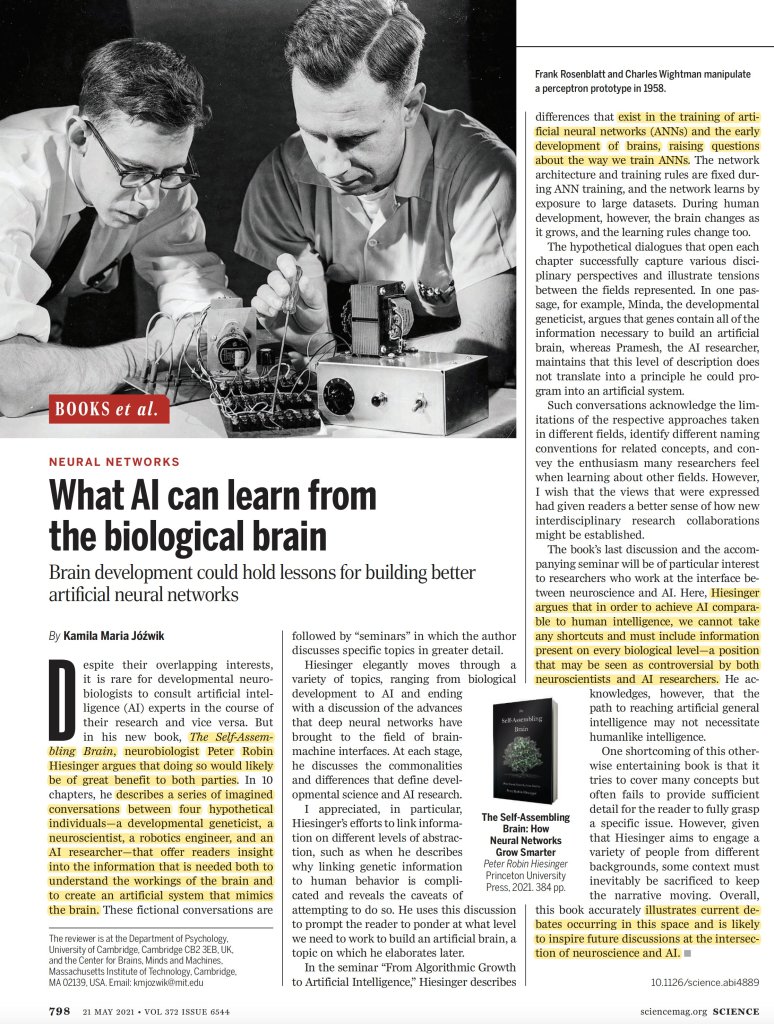
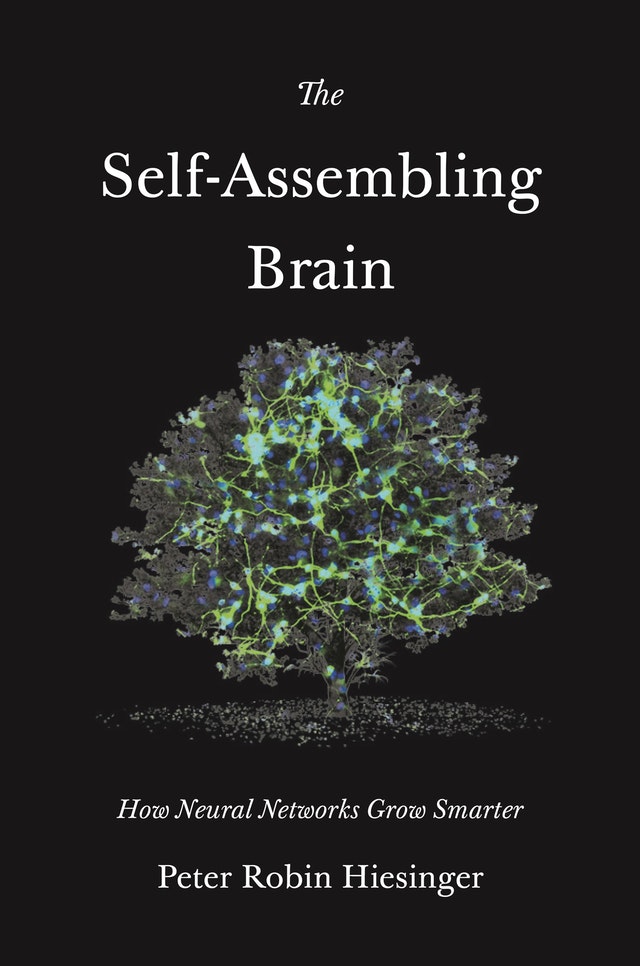
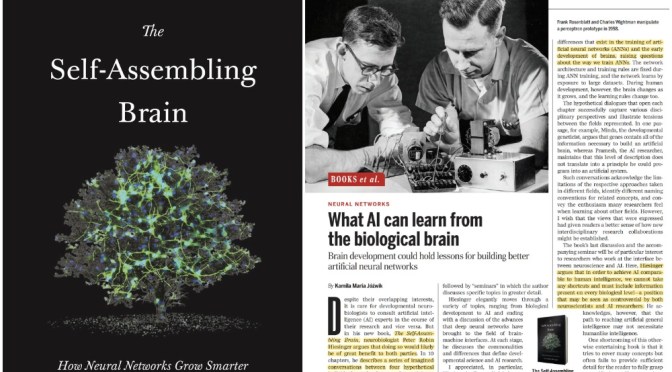
As Peter Robin Hiesinger argues, “the information problem” underlies both fields, motivating the questions driving forward the frontiers of research. How does genetic information unfold during the years-long process of human brain development―and is there a quicker path to creating human-level artificial intelligence? Is the biological brain just messy hardware, which scientists can improve upon by running learning algorithms on computers? Can AI bypass the evolutionary programming of “grown” networks? Through a series of fictional discussions between researchers across disciplines, complemented by in-depth seminars, Hiesinger explores these tightly linked questions, highlighting the challenges facing scientists, their different disciplinary perspectives and approaches, as well as the common ground shared by those interested in the development of biological brains and AI systems. In the end, Hiesinger contends that the information content of biological and artificial neural networks must unfold in an algorithmic process requiring time and energy. There is no genome and no blueprint that depicts the final product. The self-assembling brain knows no shortcuts.
More than ten million years ago, the world was brimming with a wide variety of apes. Scientists studying the ones that are still alive today can learn a lot about human evolution—but they miss out on many clues that can only be found from the apes that went extinct. Watch to learn how fossil apes have strengthened ideas about how humans evolved, and what steps we can take to learn even more about our ancient ancestors. Read the review: https://scim.ag/3hw5PVx

 Intellicurious