| This month, read about: |
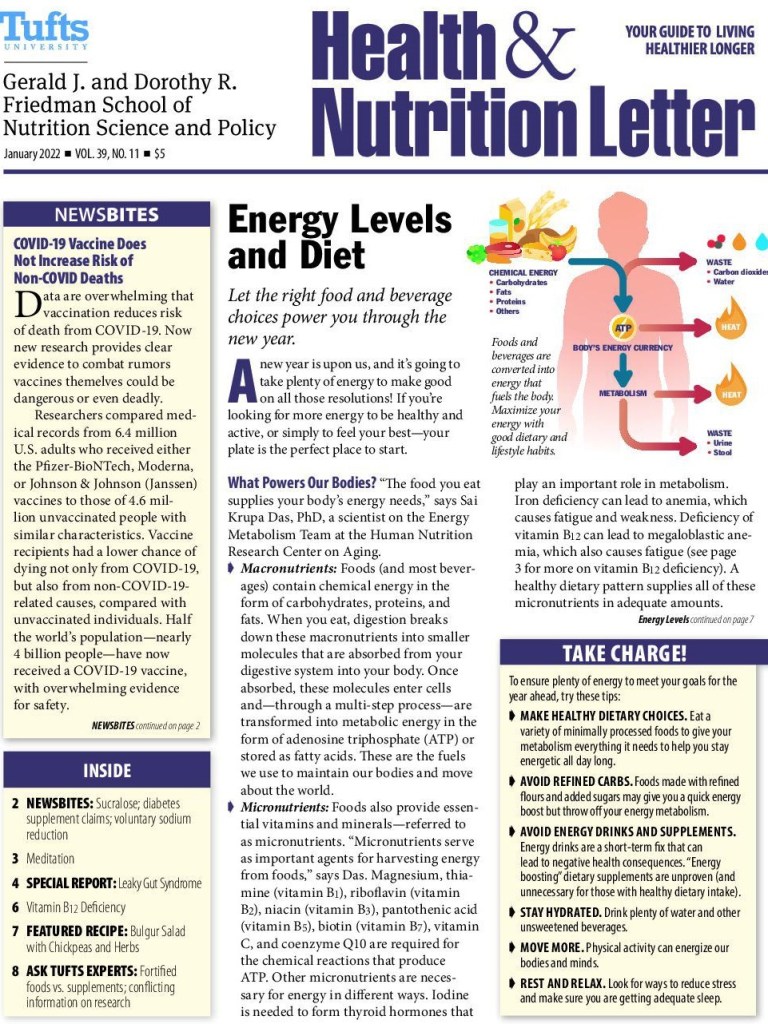
| Spring Greens!NEWSBITES: Vitamin B12 and depression; vegetables for bone healthChrononutritionYour Amazing Digestive SystemDiet and Your ThyroidAsk Tufts Experts: Nutrition Label Nutrients … Diet and Diverticulitis |

| This month, read about: |
| Spring Greens!NEWSBITES: Vitamin B12 and depression; vegetables for bone healthChrononutritionYour Amazing Digestive SystemDiet and Your ThyroidAsk Tufts Experts: Nutrition Label Nutrients … Diet and Diverticulitis |
The microbiota is a dynamic community that evolves through the lifetime of an individual, being influenced by multiple factors. Nutrition is essential in the process of establishing a healthy gut microbiome, with a key role of breastfeeding in early months, and important role of diverse diet to stimulate maturation of diverse gut microbiome.
Prebiotics, probiotics and synbiotics are key tools to boost the development of an age-appropriate microbiota and its related benefits, like healthy immune development and a basis for a resilient microbiota throughout life.
Milk is an optional part of a healthy diet for most adults, and may even be harmful if consumed excessively.
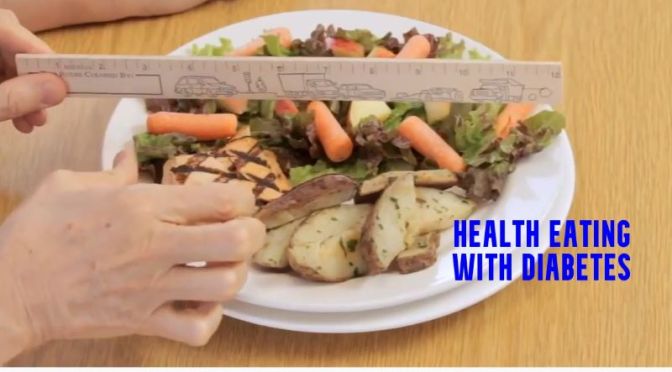
Making changes in the way you eat can be difficult. Learn about small steps for healthy eating to help you manage your weight. For more information, visit https://www.niddk.nih.gov/health-info…

Every year, as millions of people around the world forge new resolutions to eat healthier and lose weight, US News & World Report releases a conveniently timed ranking of the best diets. A panel of experts in obesity, nutrition, diabetes, heart disease, and food psychology rigorously rate each of 39 diets on seven criteria:
Emphasis on fruits, veggies, whole grains, olive oil, beans, nuts, legumes, fish and other seafood. Eggs, cheese, and yogurt can be eaten in moderation. Keep red meats and sugar as treats.
Eat lots of fruits, veggies, lean protein, whole grains, and low-fat dairy. Avoid saturated fats and sugar.
Be a vegetarian most of the time. Swap in beans, peas, or eggs for meats, and consume plenty of fruits, veggies, and whole grains. You can look up more details because there’s actually a full meal plan involving breakfast, lunch, dinner, and two snacks to add up to a total 1500 calories per day. But feel free to also just swap in flexitarian meals ad hoc.
The first actual paid program on the list, WW uses a points system to guide dieters towards foods lower in sugar, saturated fat, and overall calories while consuming slightly more protein. There are a variety of paid WW plans, with the lowest being about $20 per month.
A two-part system, with part one (‘Lose it!’) involving adding a healthy breakfast (i.e. fruits, veggies, whole grains, healthy fats) plus 30 minutes of exercise per day. You’re not allowed to eat while watching TV or consume sugar except what’s naturally found in fruit. Meat is only allowed in limited quantities, as is full-fat dairy. The second phase (‘Live it!’) is basically the first phase but with more flexibility. You aren’t realistically going to cut out sugar forever, and the Mayo Clinic diet acknowledges that. So the long term plan involves lots of whole grains, fruits, veggies, and healthy fats. Less saturated fats and sugar.
Stanford researchers examined the 250 top-grossing American movies of recent decades and found the on-screen foods and beverages largely failed U.S. government nutrition recommendations and U.K. youth advertising standards.