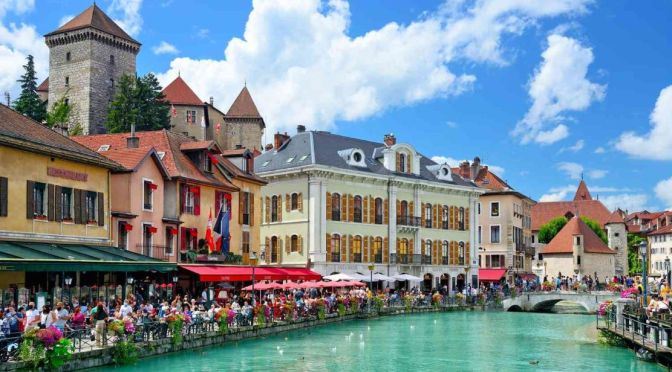
Lake Annecy (French: Lac d’Annecy) is a perialpine lake in Haute-Savoie in France. It is named after the city of Annecy, which marks the start of the Thiou, Lake Annecy’s outflow river.
It is the third-largest lake in France, after the Lac du Bourget and Lac de Grand-Lieu, if the French part of Lake Geneva, which is shared between Switzerland and France, is excluded. It is known as “Europe’s cleanest lake” because of strict environmental regulations introduced in the 1960s. It is a popular tourist destination known for its swimming and water sports.
The lake was formed about 18,000 years ago, at the time the large alpine glaciers melted. It is fed by many small rivers from the surrounding mountains (Ire, Eau morte, Laudon, Bornette and Biolon) and a powerful underwater source, the Boubioz, at a 82-metre depth (269 ft).
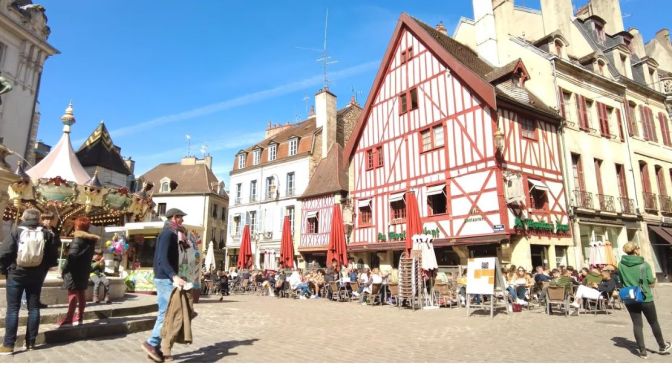
Dijon is the capital city of the historical Burgundy region in eastern France, one of the country’s principal wine-making areas. It’s known for its traditional mustard, vineyard tours, autumn gastronomic fair and building styles ranging from Gothic to art deco. The distinguished 1787 Musée des Beaux-Arts, housed in the vast Palace of the Dukes, holds a rich collection of paintings, sculptures, crafts and antiquities.
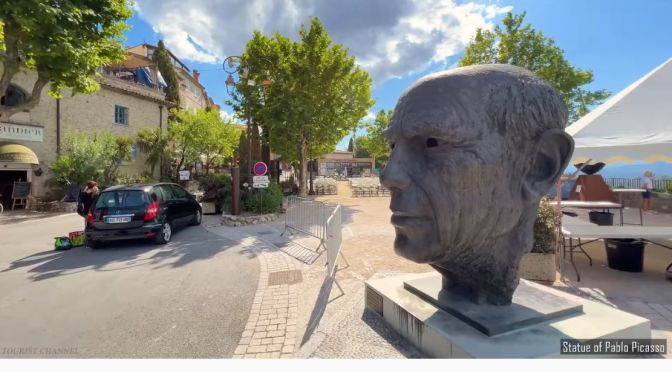
Mougins is a commune in the Alpes-Maritimes department in southeastern France. It is located on the heights of Cannes, in the district of Grasse. Mougins is a 15-minute drive from Cannes. The village is surrounded by forests, such as the Valmasque forest. In the village there are pines, olives, and cypress trees.
The village of Mougins is where Pablo Picasso lived for the last 12 years of his life and where he died in 1973 at the age of 91. Picasso was buried close to Aix-en-Provence. Picasso first visited Mougins in 1953, when he was living in nearby Cannes with his long-time muse, Francoise Gilot.
France, in Western Europe, encompasses medieval cities, alpine villages and Mediterranean beaches. Paris, its capital, is famed for its fashion houses, classical art museums including the Louvre and monuments like the Eiffel Tower. The country is also renowned for its wines and sophisticated cuisine. Lascaux’s ancient cave drawings, Lyon’s Roman theater and the vast Palace of Versailles attest to its rich history.
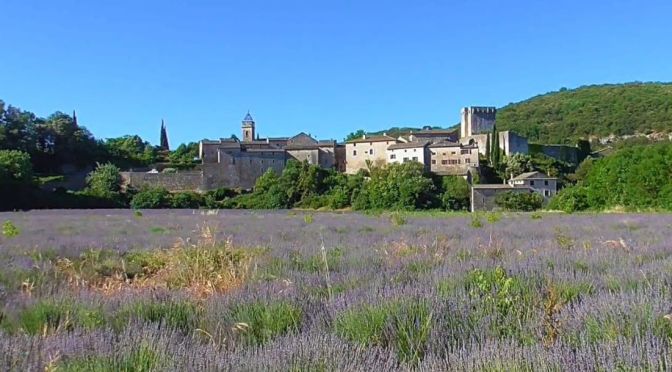
The small village of Montclus is a picturesque village in the northern area of the Gard department of Languedoc-Roussillon.
This historic village is situated in a peaceful setting on the banks of the Cèze river surrounded by vineyards, lavender fields and woodlands and on a small hill with almost a complete lack of modern development nearby so it has retained a great deal of its charm and is now listed among the ‘most beautiful villages in France‘.
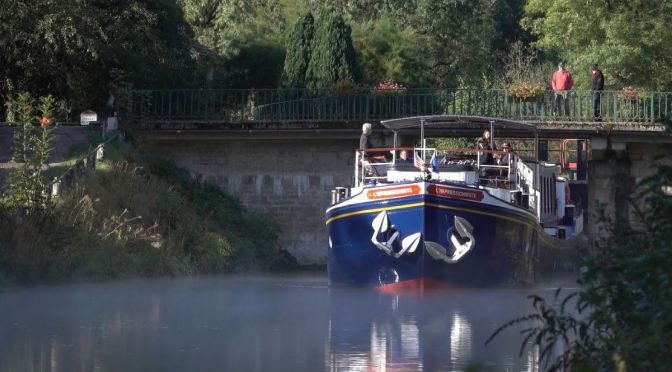
Hotel barge L’Impressionniste glides gently through the picturesque Ouche Valley in Southern Burgundy through locks with their charming lock houses. You will see medieval villages perched on hilltops and have the opportunity to discover a region famed for its history and viticulture, with visits to such places as Beaune, the regions ‘wine capital’, and the elegant city of Dijon.
What is hotel barging? Despite the growing popularity of cruising, especially on large river vessels, hotel barging is still a little known niche concept. Most hotel barges started life as cargo vessels but have since been painstakingly converted to offer luxury boutique accommodation for small groups of up to 20 passengers. This is cruising, but in a very different style to ships plying the big rivers or oceans.
The pace is slow, with a 6 day cruise covering maybe just 50 miles along a rural canal. Passengers can walk or bike the towpaths as their floating hotel glides gently along. Guests enjoy an intimate atmosphere, high levels of personal service and immersion into the culture, history and gastronomy of regions of Europe such as Burgundy, the Midi, or the Italian Veneto. Every day there is an excursion, perhaps to a chateau, a vineyard for a wine tasting, or some other ‘off the beaten track’ location.
About half of European Waterways’ bookings are for whole boat charters, ideal for families. Otherwise, clients book a cabin to join other like-minded people. A ‘slow boat’ European Waterways barge cruise offers the ultimate in experiential travel. A truly unique experience! European Waterways offer luxury hotel barge cruises on the beautiful canals and rivers of Europe, such as through Burgundy, the Midi, Alsace, the Po Valley, Holland and the Scottish Highlands.
The exclusive collection of hotel barges accommodate up to 20 passengers who may charter a whole barge with family or friends, or join a small group of like-minded travellers on an individual cabin basis. Each barge is fully crewed with a Captain, chef, hostesses, deck-hand and tour guide. The 6-night cruises include gourmet meals, fine wines, open bar, excursions and the use of facilities such as bicycles and spa pools.
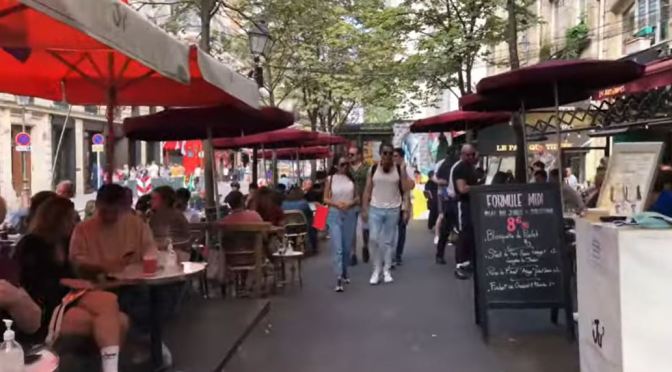
The fashionable Marais district in the 4th arrondissement, also known as SoMa (South Marais), is filled with hip boutiques, galleries, and gay bars. Once the city’s Jewish quarter, the area still hosts numerous kosher restaurants. The grassy Place des Vosges is home to elegant arcades and the Musée Victor Hugo, where the writer lived. Streets around Saint-Paul metro lead to the Maison Européenne de la Photographie.
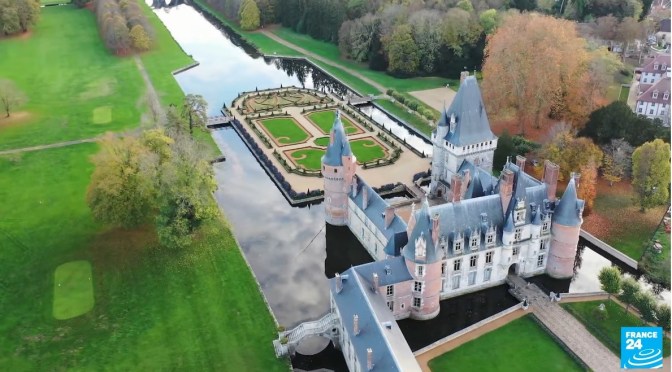
This French Renaissance-style castle would probably have remained largely unknown if it hadn’t become home to the secret wife of Louis XIV, Madame de Maintenon. Françoise d’Aubigné – her real name – was a woman of humble origins who is often compared to Cinderella.
After Louis secretly married her, the Château de Maintenon underwent numerous transformations as she put her own stamp on it. Meanwhile, the French-style garden was designed by renowned landscape architect André Le Nôtre but was only laid out in 2013.
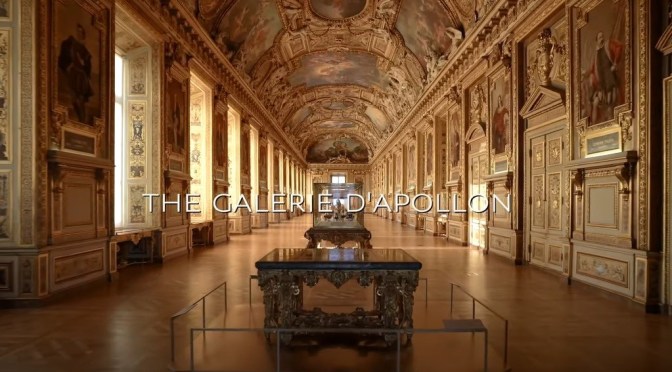
King Louis XIV famously identified himself with the sun god Apollo and this splendid gallery was the first tangible representation of that image. To create this masterpiece of architectural decoration, he summoned the greatest painters, gilders and sculptors of the day, who later worked on the Hall of Mirrors at the Château de Versailles. Today, the Galerie d’Apollon is home to the royal collection of hardstone vessels and the French Crown Jewels.
The French Crown Jewels
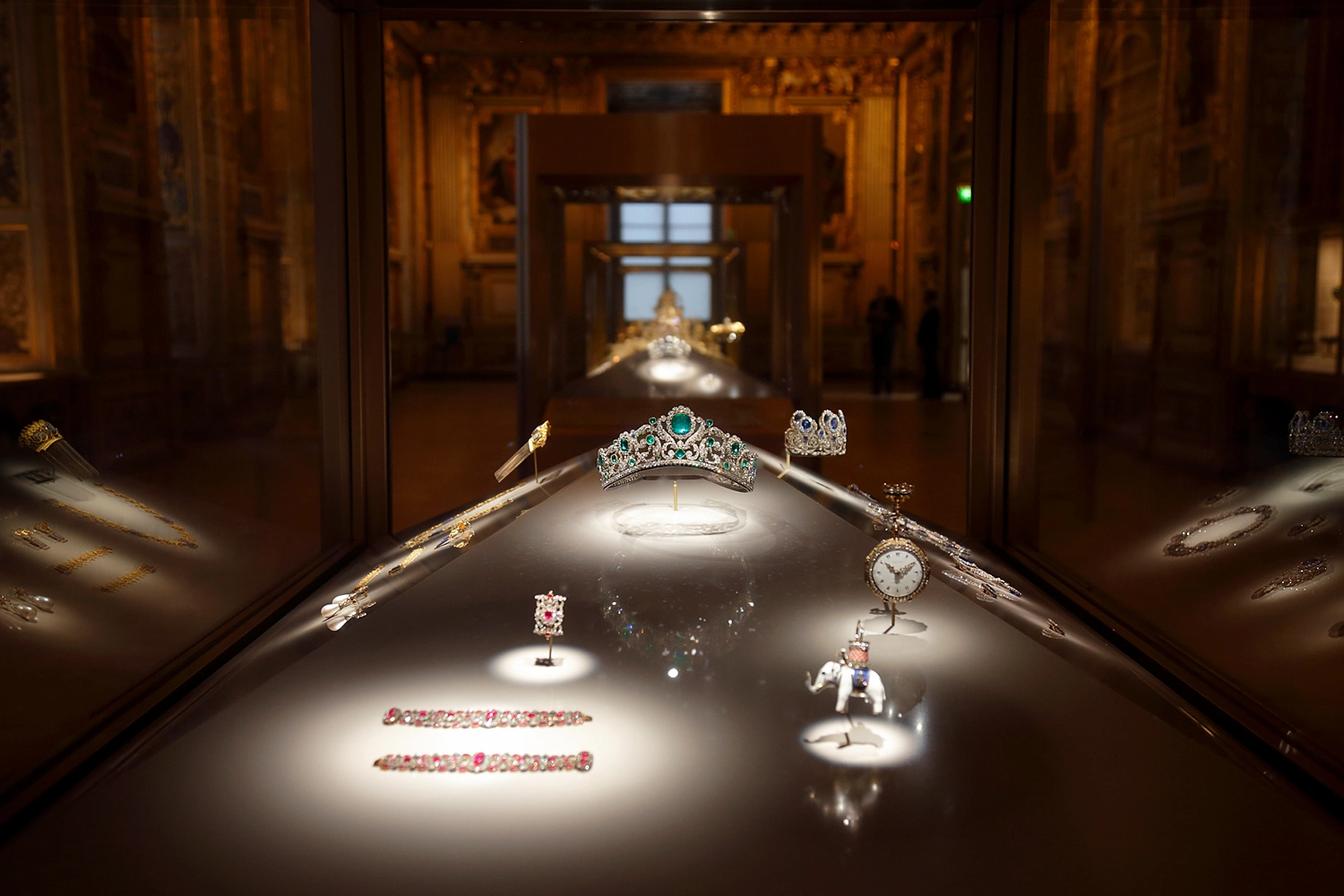
The royal collection also includes the Crown Jewels. The so-called ‘Côte de Bretagne’ spinel, which once belonged to Anne de Bretagne, is the oldest of the gems to have survived a tumultuous history involving theft, dispersal and sale. Three historical diamonds – the Regent, the Sancy and the Hortensia – formerly adorned royal crowns or garments. The spectacular 19th-century jewellery sets in the collection include emerald and diamond pieces that once belonged to Empress Marie Louise.
The French Crown Jewels
The 60-meter-long Apollo Gallery contains 105 extraordinary pieces, the most famous being the Crown Jewels of France. “This generic term covers not just the jewels that belonged to the kings of France but all the regalia as well: the precious stones and glyptic pieces,” says Pierre Rainero, director of style and heritage with the jeweler Cartier, which has sponsored the renovation work.
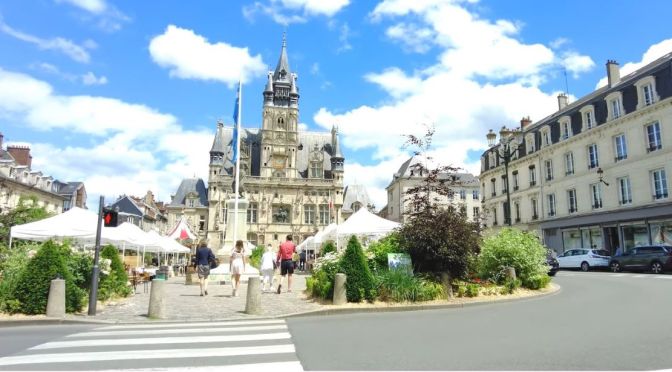
Compiègne, town, Oise département, Hauts-de-Francerégion, northern France. It lies along the Oise River, at the northwest edge of the forest of Compiègne.
Of Roman origin, it was referred to in 557 as Compendium, a name derived from a word meaning “short cut” (between Beauvais and Soissons). The town flourished in the Middle Ages and was the site of assemblies and councils under the Merovingian kings. In 833 Louis the Pious was deposed there. Charles II the Bald enlarged the town and founded the Abbey of Saint-Corneille, now the home of the municipal library. Compiègne became a commune in 1153, and a monument to Joan of Arccommemorates her capture there by the Burgundians in 1430.
News, Views and Reviews For The Intellectually Curious