Category Archives: Travel

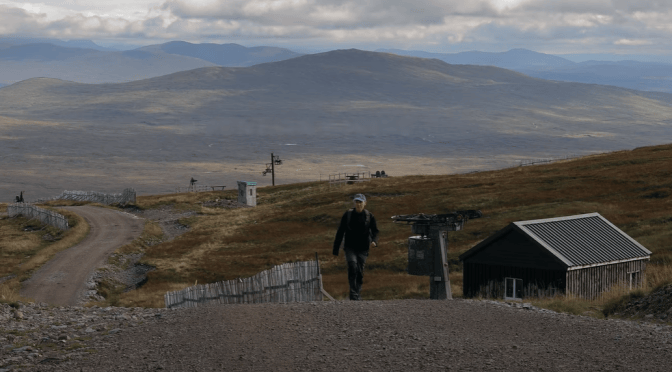
Scottish Highlands: Its Mists, Mountains & Lochs
“In September 2021 I visited the Highlands of Scotland for two weeks, capturing moments on video of the changing landscape – mist, mountains, rivers, lochs, Glencoe – as I hiked through various terrain.”
Russ Weymouth
Chapters: 00:00 – Glencoe 01:52 – Beinn Eighe National Nature Reserve 03:28 – Isle of Skye 04:05 – Images From The Mist 04:42 – Rivers and Lochs
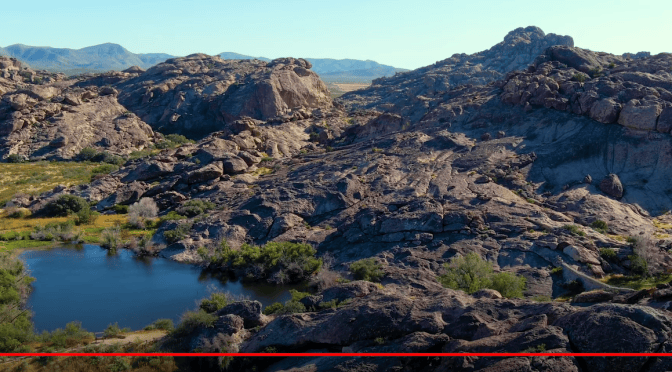
Views: Hueco Tanks State Park In Western Texas
Hueco Tanks is an area of low mountains and historic site in El Paso County, Texas, in the United States. It is located in a high-altitude desert basin between the Franklin Mountains to the west and the Hueco Mountains to the east.
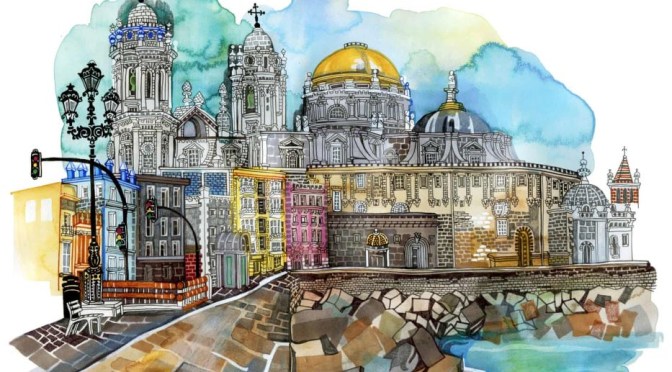
Travel: A Local’s Guide To Cádiz In Southwest Spain
Cádiz is an ancient port city in the Andalucia region of southwestern Spain. The home of the Spanish Navy, the port boomed in the 16th-century as a base for exploration and trade. It has more than 100 watchtowers, including the iconic Torre Tavira, which was traditionally used for spotting ships. On the waterfront is the domed, 18th-century Cádiz Cathedral, featuring baroque and neoclassical elements.
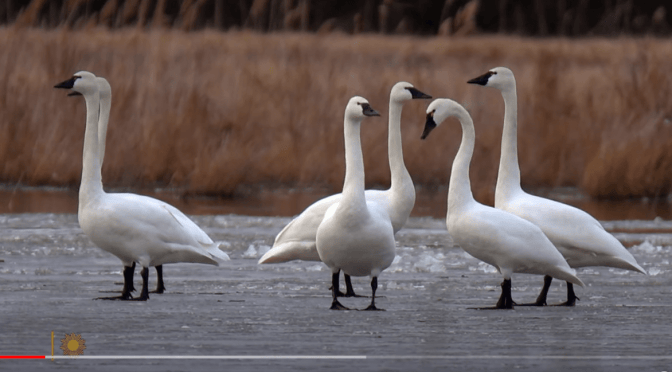
Nature: Trumpeter Swans Near Cayuga, New York
We leave you this Sunday among trumpeter swans braving winter’s chill near Cayuga, New York. Videographer: Carl Mrozek.
The trumpeter swan (Cygnus buccinator) is a species of swan found in North America. The heaviest living bird native to North America, it is also the largest extant species of waterfowl, with a wingspan of 185 to 250 cm (6 ft 2 in to 8 ft 2 in). It is the American counterpart and a close relative of the whooper swan (Cygnus cygnus) of Eurasia, and even has been considered the same species by some authorities. By 1933, fewer than 70 wild trumpeters were known to exist, and extinction seemed imminent, until aerial surveys discovered a Pacific population of several thousand trumpeters around Alaska’s Copper River. Careful reintroductions by wildlife agencies and the Trumpeter Swan Society gradually restored the North American wild population to over 46,000 birds by 2010.
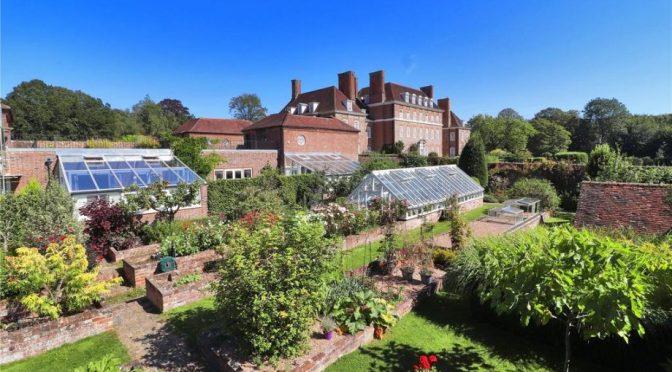
English Manors: Great Maytham Hall In Kent, ‘The Secret Garden’ Source
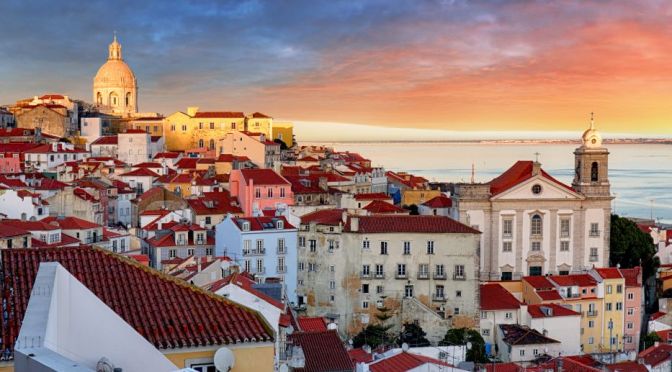
City Walks: The Alfama In Lisbon, Portugal (4K)
The steep streets of Alfama, one of Lisbon’s oldest areas, are lined with shops selling traditional crafts and cafes. Passengers pack the historic no. 28 tram, which winds through Alfama on its way up to 11th-century São Jorge Castle. Views from Miradouro da Graça terrace stretch over the city to the River Tagus. In the evening, melancholy Fado music can be heard in some of the area’s long-running restaurants.

Megacities: The Growing Conflicts In Mumbai, India
Mumbai is a city of contrasts. Here, the super-rich and slum dwellers live side by side. As more and more luxury skyscrapers go up, slums are forced to make way for them. Conflicts ensue. So what is life like, in a megacity with 20 million inhabitants?
In Dharavi, Asia’s largest slum, more than a million people live in extremely crowded conditions. But the neighbourhood is dynamic. We meet Mahesh, 27, who was born in the slum and has never left. Today, he runs a recycling plant that employs about 20 people. Dharavi’s shadow economy is said to bring in 800 million euros a year.
However, the future of the neighbourhood is uncertain, as it sits on valuable property — located right in the city centre. With the support of local authorities, real estate magnate Babulal Varma is tearing down slums to build luxury housing for the upper classes. Will Dharavi survive? Mumbai is already one of the most populous cities in the world.
By 2035, the population is projected to rise drastically — to 30 million. The city’s inevitable expansion affects not only the people who live there, but also the forests that surround it. These include the “Sanjay Gandhi National Park”. Now, the leopards living in the park have started to make regular forays into new housing developments, looking for food. They attack stray dogs, as well as humans. As urbanization continues, the conflict between humans and wild animals is sure to become more dire.

Travel Views: Eifel Region Of Western Germany
Discover the Eifel Region with DW Travel Guide Nicole Frölich! The low mountain range in western Germany extends through parts of the federal states of Rhineland-Palatinate and North-Rhine Westphalia. The region has a special geological feature: volcanic activity! Nicole travels through the Eifel National Park and explores the fascinating natural beauty of the region with its geysers, volcanic lakes and dense forests.
Video timeline: 00:00 Intro 00:34 Monschau 02:16 Volcanic Activity 05:34 Eifel National Park 07:34 Ordensburg Vogelsang, Former Nazi Estate 09:00 Lake Laacher See 11:11 Maria Laach Abbey
In the summer of 2021, nature showed its destructive side: the Eifel region was hit by serious floods; locals and the tourist industry are still picking up the pieces to this day. The area is also home to a sinister place of remembrance: the former Nazi estate of Ordensburg Vogelsang, a training site for Nazi cadets during the Third Reich.Nicole’s trip to the Eifel took place in the fall of 2021. It begins in the picturesque medieval town of Monschau.