
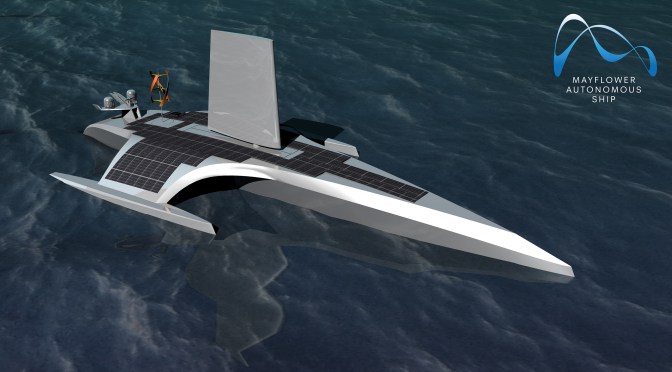
From an IBM newsroom online release:
“Putting a research ship to sea can cost tens of thousands of dollars or pounds a day and is limited by how much time people can spend onboard – a prohibitive factor for many of today’s marine scientific missions,” said Brett Phaneuf, a Founding Board Member of ProMare and Co-Director of the Mayflower Autonomous Ship project (together with fellow Board Member Fredrik Soreide). “With this project, we are pioneering a cost-effective and flexible platform for gathering data that will help safeguard the health of the ocean and the industries it supports.”
LONDON, Oct. 16, 2019 IBM announced today that it has joined a global consortium of partners, led by marine research organization ProMare, that are building an unmanned, fully-autonomous ship that will cross the Atlantic on the fourth centenary of the original Mayflower voyage in September 2020.
The Mayflower Autonomous Ship (MAS) will use IBM’s AI, most powerful servers, cloud and edge computing technologies to navigate autonomously and avoid ocean hazards as it makes its way from Plymouth, England to Plymouth, Massachusetts. If successful, it will be one of the first self-navigating, full-sized vessels to cross the Atlantic Ocean and will open the door on a new era of autonomous research ships.
To read more: https://newsroom.ibm.com/2019-10-16-IBM-Boards-the-Mayflower-Autonomous-Ship-Project#assets_all
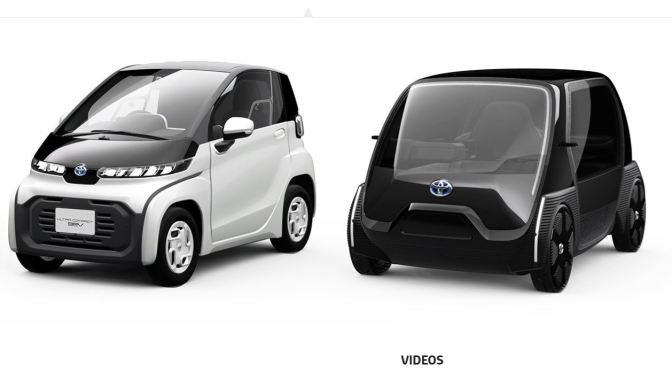
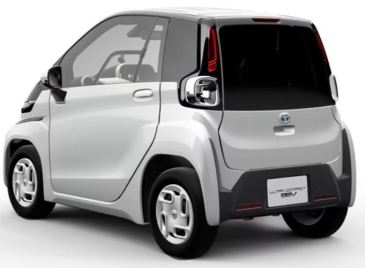 The ultra-compact, two-seater BEV is specifically designed to meet the daily mobility needs of customers who make regular, short-distance trips such as the elderly, newly licensed drivers, or business-people visiting local customers. It can be driven a range of approximately 100 km on a single charge, reach a maximum speed of 60 km/h, and features an extremely short turning radius.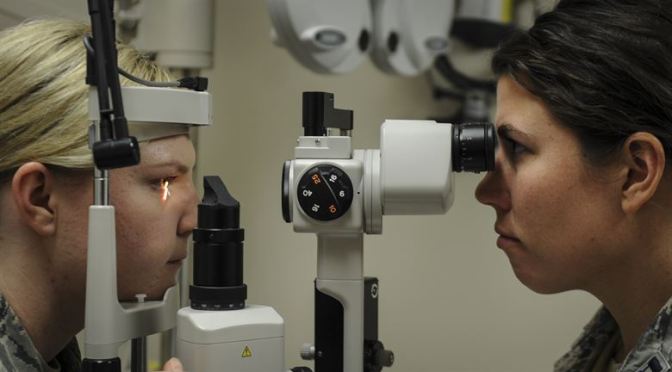
 Our 3D deep-learning system performed well in both primary and external validations, suggesting that it could potentially be used for automated detection of glaucomatous optic neuropathy based on SDOCT volumes. Screening with the deep-learning system is much faster than conventional glaucoma screening methods (ie, by experienced specialists), can be done automatically, and does not require a large number of trained personnel on site. Further prospective studies are warranted to estimate the incremental cost-effectiveness of incorporating this artificial intelligence-based model for screening for glaucoma, both in the general population and among at-risk people.
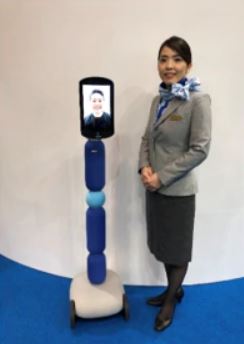 As part of the ANA Holdings exhibit, ANA is planning to unveil an all-new AVATAR robot “newme”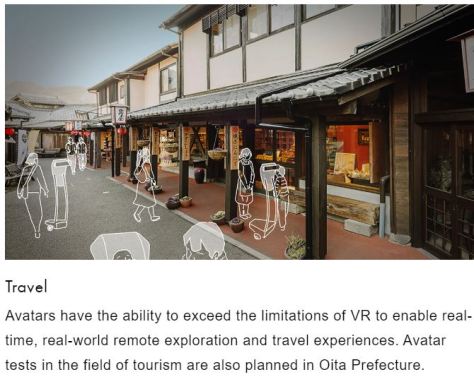


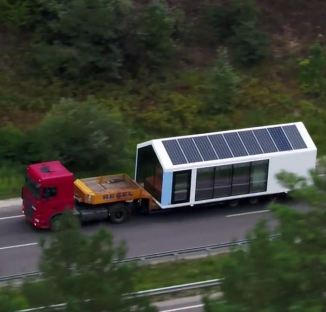 Haus.me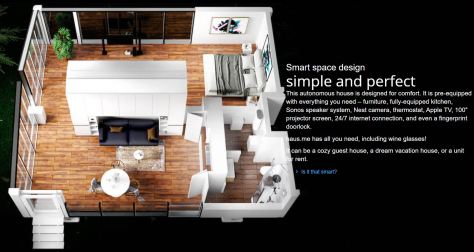
 Even with a few months of 2019 left to go, we feel confident that the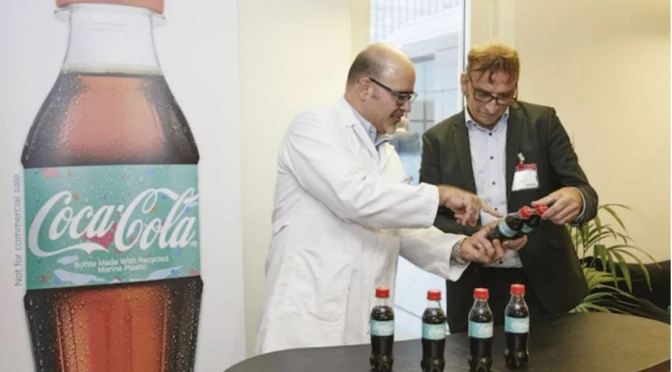
 the recycling technology is the result of a partnership between coca-cola, the dutch startup ioniqa technologies and indorama ventures, one of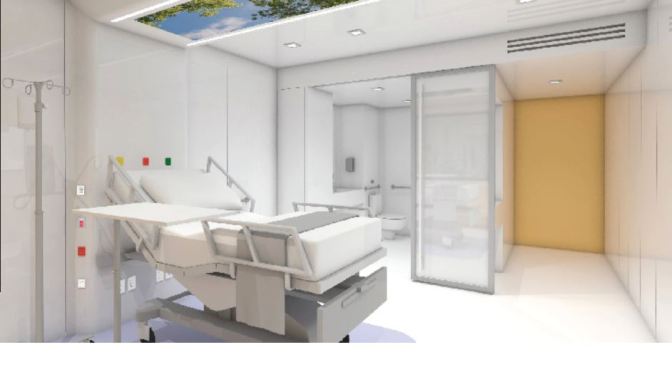
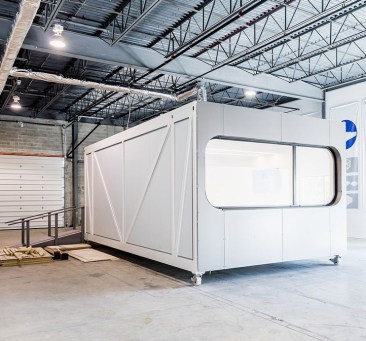 EIR Healthcare collaborates with each hospital to customize the optimal space. Through our technology and design, doctors, nurses and any healthcare professional interacting with patients in a MedModular room are equipped to provide nothing short of excellence within every interaction. EIR Healthcare was presented with a 2018 iF Design Award for our “Hospital of the Future” professional concept.
 Scott Burger, MITEI Energy Fellow and researcher, discusses rooftop solar economics, net metering, energy poverty, and electricity costs. Show notes and transcript:
  Intellicurious