
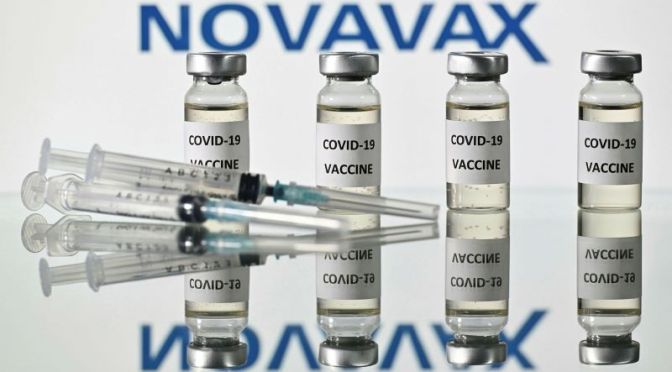
Novavax recently reported efficacy numbers for its vaccine, which uses a distinct technology from other already-authorized #COVID19 vaccines.
— News from Science (@NewsfromScience) February 4, 2021
This animation shows the workings of the vaccine. Learn more: https://t.co/RMzAIvRnZ6 @ScienceVisuals pic.twitter.com/IsXgqxDD0C
Category Archives: Technology

Science Podcast: Human Genome Sequencing – 20 Years Of Research & Data

This week we’re dedicating the whole show to the 20th anniversary of the publication of the human genome. Today, about 30 million people have had their genomes sequenced. This remarkable progress has brought with it issues of data sharing, privacy, and inequality.
Host Sarah Crespi spoke with a number of researchers about the state of genome science, starting with Yaniv Erlich, from the Efi Arazi School of Computer Science and CEO of Eleven Biotherapeutics, who talks about privacy in the age of easily obtainable genomes. Next up Charles Rotimi, director of the Center for Research on Genomics and Global Health at the National Human Genome Research Institute, discusses diversity—or lack thereof—in the field and what it means for the kinds of research that happens. Finally, Dorothy Roberts, professor in the departments of Africana studies and sociology and the law school at the University of Pennsylvania, talks about the seemingly never-ending project of disentangling race and genomes.
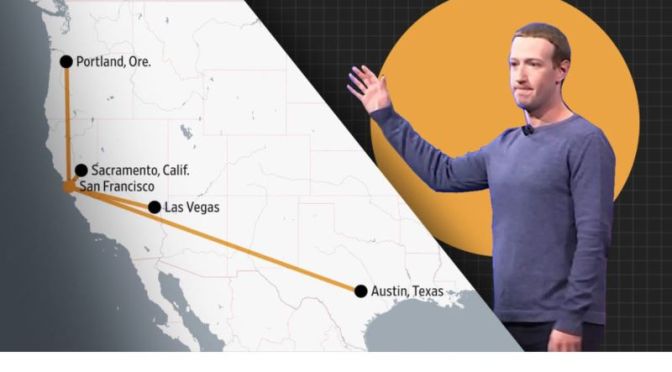
Remote Work: ‘How Big Tech Is Revamping It’ (WSJ)
Prominent tech companies are embracing remote work amid an exodus of skilled labor from Silicon Valley. WSJ looks at what that could mean for innovation and productivity and what companies are doing to manage the impact.

Analysis: ‘2021 iPhone 13’ – New Technology (Video)
Clues to the Next iPhone Are in Samsung’s New Galaxy S21 Years of smartphone launches all plotted on one evidence board. A fingerprint sensor embedded in the screen? An ultra-zoom camera? A faster 120Hz display? Samsung’s latest tells us a lot about what might come from Apple this year in the iPhone 13. WSJ’s Joanna Stern sifts through years of Galaxy and iPhone evidence. Photo illustration: Preston Jessee for The Wall Street Journal Personal Technology With Joanna Stern
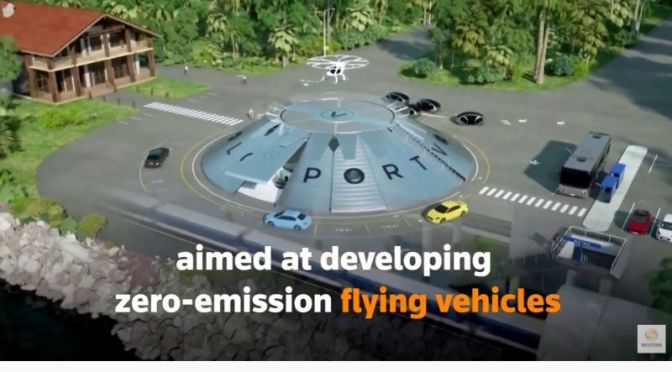
Future Transport: ‘Flying Cars Airport’ Scheduled for UK In 2021 (Video)
An airport for flying cars will thrust the English city of Coventry into the future later this year, with a project aimed at demonstrating how air taxis will work in urban centers.
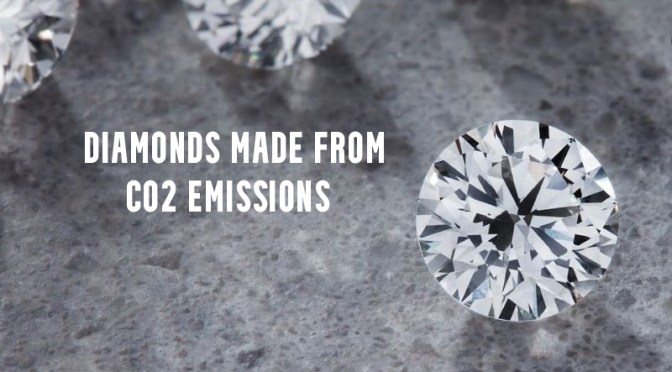
Innovation: Diamonds Made From CO2 Emissions
A UK company named Skydiamond hopes to revolutionize the traditional diamond mining industry by using carbon capture technology to do just that. The company calls it a ‘zero-impact diamond’ because the process pulls carbon dioxide right out of the air.
Although, a diamond traps only a modest amount of carbon — one carat contains just 200 milligrams. Pure carbon can take many forms — it all depends on how the atoms are arranged. Graphite is arranged into multiple layers, graphene in a single layer, and if it’s rolled-up, it forms carbon nanotubes. But when each carbon forms 4 strong bonds in a tetrahedral structure, it becomes a diamond.
Most natural diamonds were formed over a billion years ago, more than 120 kilometers beneath the Earth’s surface. This is where intense temperature and pressure cause carbon atoms to strongly bond together and arrange into crystal structures. Volcanic eruptions bring these crystals embedded in magma to the surface. When the magma cools, it hardens in long vertical shafts called kimberlite pipes. And these pipes are what’s sought after in the mining industry.
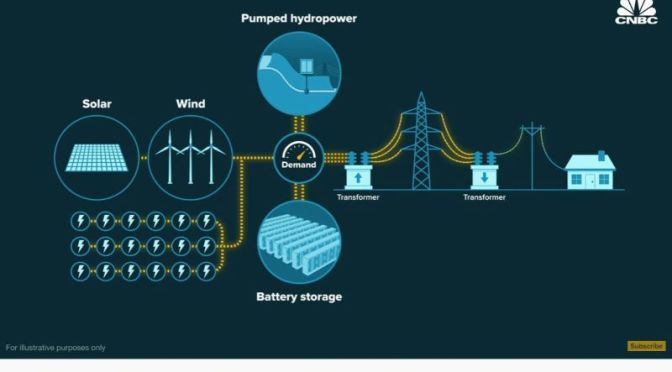
Analysis: How America Can Build & Run A 100% Clean Electric Grid (Video)
The U.S. electric grid is outdated. Designed for a world that runs on fossil fuels, our grid needs some major tech upgrades in order to transition to a more distributed, all-renewable system. That means smart, internet connected hardware working in tandem with advanced data analytics software to ensure that supply and demand are balanced, even when the sun isn’t shining or the wind isn’t blowing.

Analysis: ‘Preventing The Next Pandemic’ – Bill Gates
The unfortunate reality is that COVID-19 might not be the last pandemic. The threat of the next pandemic will always be hanging over our heads—unless the world takes steps to prevent it. You can learn more about this topic in our 2021 Annual Letter at http://gatesnot.es/3a5KOLU

Next-Gen Food: ‘Vertical & Underwater Farming’
Vertical Farming might have some implications but there is an unknown farming method that could revolutionize the industry and help us fight climate change.
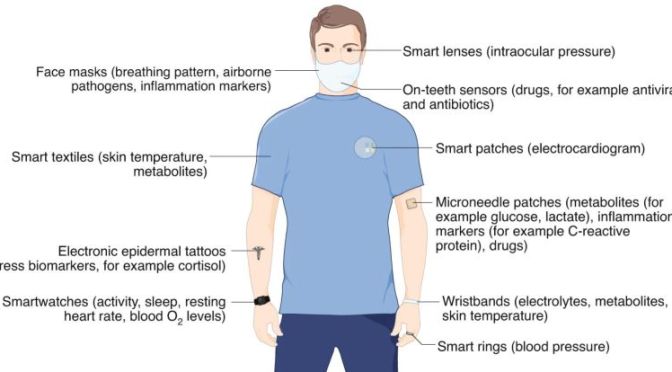
Digital Health: The Future Of Wearable Devices
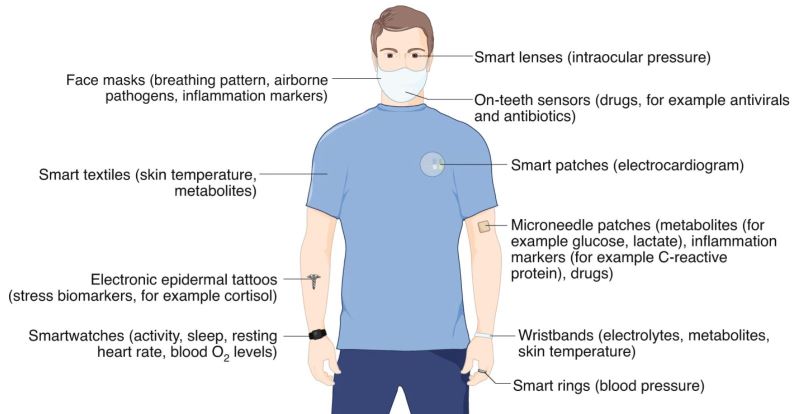
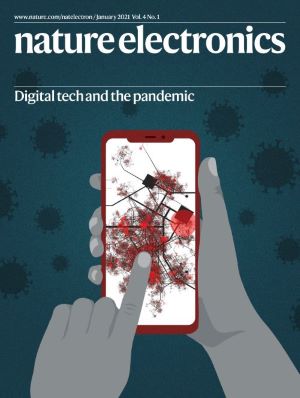
Currently, smartwatches provide information such as heart rate, sleep time and activity patterns. In the future, this could be augmented with new classes of wearable devices that monitor, for example, concentrations of cortisol for tracking stress (using electronic epidermal tattoos), biomarkers of inflammation and levels of blood O2 (microneedle patches), skin temperature (electronic textiles), blood pressure (smart rings), concentration of ions (wristbands), intraocular pressure (smart contact lenses), the presence of airborne pathogens and breathing anomalies (face masks), and the concentration of therapeutic drugs (on-teeth sensors)2,10,12,13,14,15,16. Such emerging low-cost wearable sensing technologies, monitoring both physical parameters and biochemical markers, could be used to identify symptomatic and pre-symptomatic cases in future pandemics. The devices could also be used to remotely monitor the recovery of individuals undergoing treatment or self-isolating at home.

