
 On this week’s podcast, how the molecular structure of tooth enamel may impact decay, adhesive patches to heal heart attacks, and a mysterious planetary core from a half-formed gas giant.
In this episode:
00:46 Unravelling tooth enamel
Researchers have been looking into the structure and composition of enamel in an effort to better understand tooth decay. Research Article: DeRocher et al.
07:02 Research Highlights
An adhesive patch to help heal heart-attacks, and a new technique to inspect the structure of 2D ‘wonder materials’. Research Highlight: A healing patch holds tight to a beating heart; Research Highlight: A snapshot shows off super-material only two atoms thick
09:21 Unusual planet
In the region close to stars known as the ‘hot Neptune desert’ planets of Neptune’s size are rarely found, but this week scientists have uncovered one and are trying to untangle its mysteries. Research Article: Armstrong et al.
14:52 Briefing Chat
We take a look at some highlights from the Nature Briefing. This time we talk about the pitfalls of using CRISPR in human embryos, and renaming of moon craters inadvertently named after Nazi scientists. Nature News: CRISPR gene editing in human embryos wreaks chromosomal mayhem; Prospect Magazine: Astronomers unknowingly dedicated moon craters to Nazis. Will the next historical reckoning be at cosmic level?

 We take a look back over the past six months of the pandemic, and discuss how far the world has come. It’s been a period of turmoil and science has faced an unprecedented challenge. What lessons can be learned from the epidemic so far to continue the fight in the months to come?
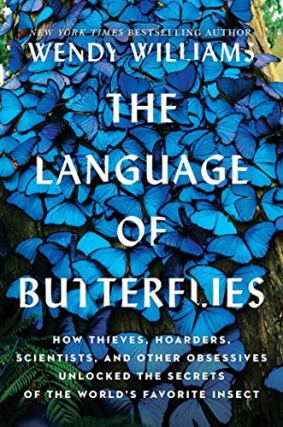 Butterflies are one of the world’s most beloved insects. From butterfly gardens to zoo exhibitions, they are one of the few insects we’ve encouraged to infiltrate our lives. Yet, what has drawn us to these creatures in the first place? And what are their lives really like? In this groundbreaking book, New York Times bestselling author and science journalist Wendy Williams reveals the inner lives of these “flying flowers”—creatures far more intelligent and tougher than we give them credit for.
 Kimberly Prather, an atmospheric chemist at the University of California, San Diego, who studies how ocean waves disperse virus-laden aerosols, joins host Sarah Crespi to talk about how she became an outspoken advocate for using masks to prevent coronavirus transmission. A related insight she wrote for Science has been downloaded more than 1 million times.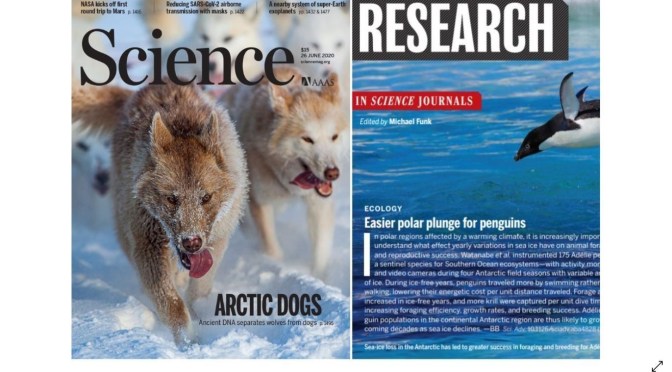

 In fact,

 Senior Correspondent Jeffrey Mervis joins host Sarah Crespi to talk about how universities are dealing with the financial crunch brought on by the coronavirus. Jeff discusses how big research universities are balancing their budgets as federal grants continue to flow, but endowments are down and so is the promise of state funding.
 Intellicurious