From a The Lancet online article:
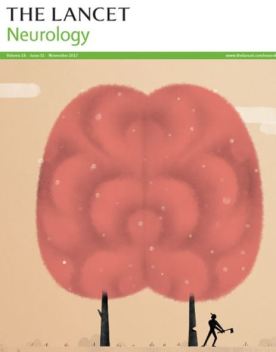 As a consultant, I had profoundly failed to appreciate the experience of fatigue and apathy among patients. More than excessive tiredness, the fatigue was overwhelming, turning simple activities into insurmountable, exhausting challenges. It was frustrating and I fell into the trap of overexertion when I did have energy, thus exhausting myself and sabotaging the day’s recovery plan. Had staff not been so adept at encouraging me when I lacked energy and holding me back when I tried to overdo things, I would have squandered much valuable rehabilitation time.
I was a consultant in neurological rehabilitation for acquired brain injury when, at the age of 62 years, I had a stroke. Running for a train, I experienced pain in the right side of my head and mild weakness and sensory loss in my left limbs. I thought I’d had a stroke, but I was remarkably calm. It was late and my instinct was to get home, where I went to the study. In the morning, I found myself on the floor, half-blind, half-paralysed, and terrified.
.
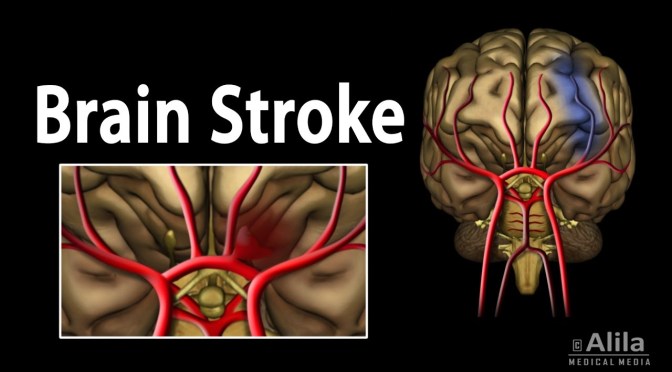
Scans showed a large intracerebral haemorrhage in the area of the right basal ganglia. My symptoms could be explained by the damage to my brain—my medical world was in order, something to hold on to. I discussed my diagnosis and treatment with my colleagues during brief waking periods, grateful that they still saw the person I was before my stroke. Meanwhile, my wife was in the good hands of staff who treated her with sensitivity, giving her plain facts and support.


 The
The 
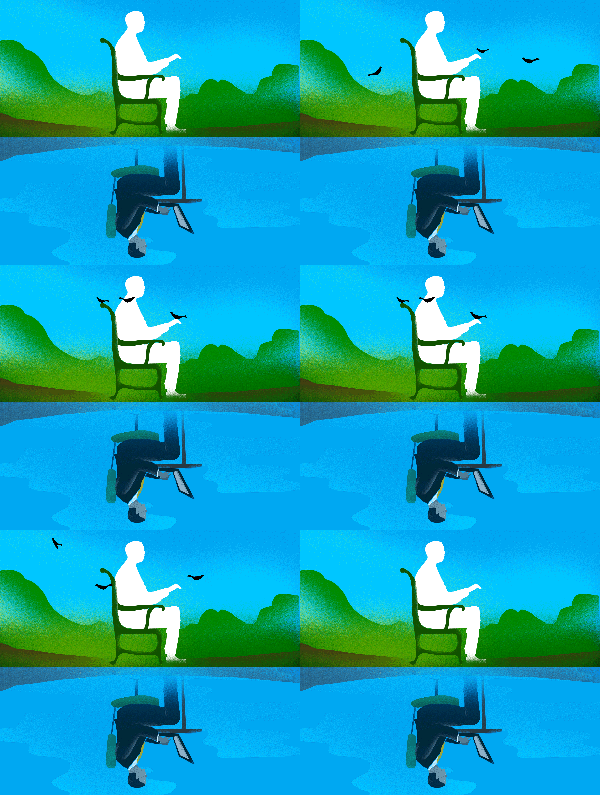 Retirements must evolve because everything won’t work out as planned, says Carolyn Taylor, president of Weatherly Asset Management, an investment-management firm in Del Mar, Calif. One of her clients, who worked in the biotech industry and had a very busy family life, trained before retirement to become a master gardener. As she trained, she found that she enjoyed teaching others and finally became a teacher of gardening, Taylor says.
 Shortly after George Orwell’s death in 1950, his widow Sonia was visited in London by two representatives of the American film producer, Louis de Rochemont. They sought the rights to Orwell’s novel from five years earlier, Animal Farm. It’s said Sonia took some convincing but eventually agreed, on the promise that de Rochemont would introduce her to her hero, Clark Gable.
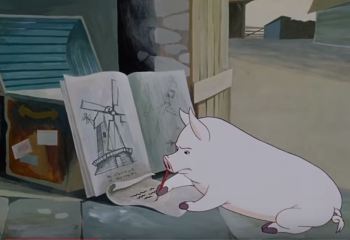 A conventional, live-action adaptation was out of the question given that the book’s main characters were farmyard animals, so an animated movie was decided upon instead. De Rochemont chose to have it made in the UK rather than the US — partly because of lower production costs, partly because he admired the work of British husband-and-wife duo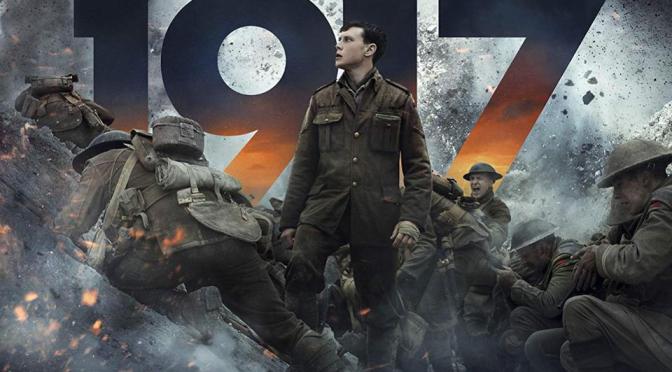

 Baby boomers remain the base of traditional PayTV. Even with the quickening decline of bundled TV services,
  The traditional video marketplace is no more. Driven by a combination of technologies including high-speed internet access, billions of mobile devices, and falling prices for high-resolution displays, television as we have known it for decades is undergoing a radical reinvention, one that will reshape the media ecosystem. Just in the last few months, game-changing streaming services have been announced or launched from industry giants including Disney and NBCUniversal, spurred in part by billion-dollar investments from newer entrants such as Netflix, Google, and Apple.
 In 1961 a new 2.6-litre (2,553 cc (155.8 cu in)) straight-six ‘Ruddspeed’ option was available, adapted by Ken Rudd from the unit used in the Ford Zephyr. It used three Weber or SU carburettors and either a ‘Mays’ or an iron cast head. This setup boosted the car’s performance further, with some versions tuned to 170 bhp (127 kW), providing a top speed of 130 mph (209 km/h) and 0–60 mph (0–100 km/h) in 8.1 seconds. However, it was not long before Carroll Shelby drew AC’s attention to the Cobra, so only 37 of the 2.6 models were made. These Ford engined models had a smaller grille which was carried over to the Cobra.
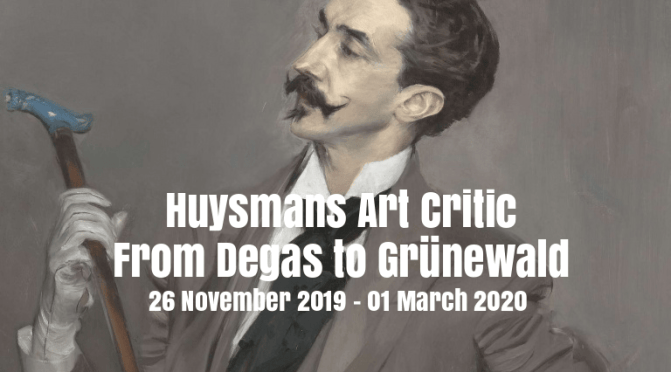
 A key writer of the late 19th century, Joris-Karl Huysmans (1848-1907) was an art critic who is still little known or little understood by the general public. However, his contribution to the artistic press and the aesthetic debate was as decisive as the impact of his novel
 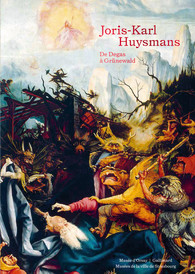 More passionate about Hals and Rembrandt until his discovery of Degas in 1876-1879, Huysmans admitted that this was a defining moment. And yet, his art criticism immediately accepted the possibility of a double modernity. The modernity of the painters of modern life and that of the explorers of dreams were not mutually exclusive. Here, Manet coexists with Rops and Redon. The desire Huysmans showed very early on to escape from the logic of church doctrine no doubt blurred the perception of his aesthetic choices.
 Medicare negotiation of prescription-drug prices would bring U.S. government policies in line with those of other high-income countries, and the idea is popular with both the public and policy analysts. But it would represent a sea change for pharmaceutical firms, which will maintain that any threat to their pricing power will slow innovation.
  Intellicurious