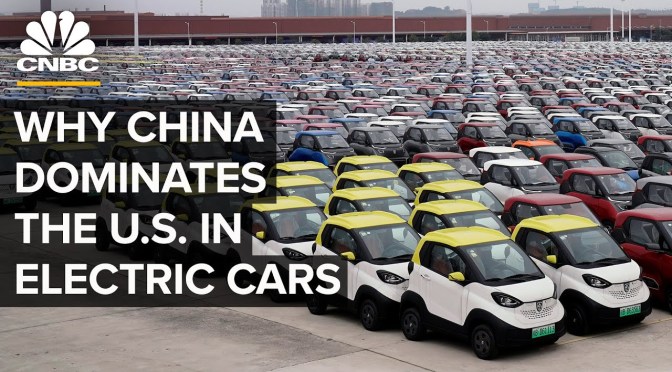
The global electric vehicle market is heating up and China wants to dominate. The country has invested at least $60 billion to support the EV industry and it’s pushing an ambitious plan to transition to all electric or hybrid cars by 2035. Tesla entered the Chinese market in 2019 and has seen rapid growth.
China sold roughly one million more EVs than the U.S. in 2020. But there are signs the U.S. is getting more serious about going electric. President Joe Biden announced a goal to reach net-zero emissions by 2050 and investments in green infrastructure. Watch the video to find out how China came to dominate the market and whether it’s too late for the U.S. to catch up.
Opportunities for enhancing brain health across the lifespan
Published online by Cambridge University Press: 22 March 2021
Summary
As we age, there are characteristic changes in our thinking, reasoning and memory skills (referred to as cognitive ageing). However, variation between people in the timing and degree of change experienced suggests that a range of factors determine individual cognitive ageing trajectories. This narrative review considers some of the lifestyle factors that might promote (or harm) cognitive health. The focus on lifestyle factors is because these are potentially modifiable by individuals or may be the targets of behavioural or societal interventions. To support that, the review briefly considers people’s beliefs and attitudes about cognitive ageing; the nature and timing of cognitive changes across the lifespan; and the genetic contributions to cognitive ability level and change. In introducing potentially modifiable determinants, a framing that draws evidence derived from epidemiological studies of dementia is provided, before an overview of lifestyle and behavioural predictors of cognitive health, including education and occupation, diet and activity.
A year into the coronavirus pandemic, many schools are only partially open for fear they could fuel the spread of the virus. Experts explain what the actual risks are for spreading Covid-19 in schools and how proper controls can change that equation. Illustration: Preston Jessee for The Wall Street Journal
The Lawrence Lab? The Berkeley Lab? Lawrence Livermore Berkeley Lab? Luther Burbank Laboratory? Berkeley Countrywide Laboratory? Nope. Not quite. We’re Lawrence Berkeley National Laboratory, or Berkeley Lab for short. But we do understand the confusion — it’s hard to remember names, especially when so many sound alike! So we jammed 90 years of history into less than 3 minutes to help you get it right.
The Lawrence Berkeley National Laboratory, commonly referred to as Berkeley Lab, is a United States national laboratory that conducts scientific research on behalf of the Department of Energy. Located in the hills of Berkeley, California, the lab overlooks the campus of the University of California, Berkeley.
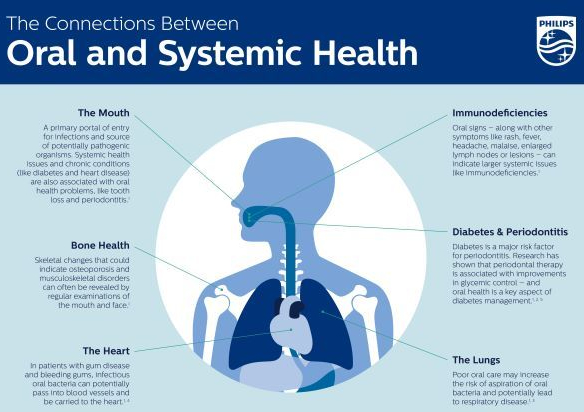
Good oral health leads to benefits beyond a healthy mouth
People today want to be more in control of their own health and are more attuned to getting the support and information they need online, from apps, and from connected products. Yet there are gaps in both their knowledge and daily commitment to good oral hygiene, and they need help along the way. Depending on lifestage, patient’s oral health concerns can evolve from plaque removal and aesthetics to larger concerns around gum health and disease. Too often, by the time they begin thinking about gum health, it’s too late. Multiple studies have revealed linkages between periodontal diseases and certain systemic diseases, such as diabetes, heart disease and kidney disease [4][5][6].
Prevention is key. Along with professional deep cleaning, good daily brushing and interdental cleaning are critical. It’s also important for patients to have regular conversations with their dentist about oral health issues and the linkage to their overall health.
Face masks have been part of our lives for a year now and a leading epidemiologist has predicted that we may need to wear face coverings for several years until we return to normality. Mary Ramsay, the head of immunisation at Public Health England, said basic measures could be in place until other countries successfully roll out vaccines. So after a year of coronavirus, which ones are the best to wear? We took a look at each type of face mask available to find out.
Water is fundamental to life, yet it’s also a scarce commodity. In many cases, greed and mismanagement are causing this life-giving essential to run dry. What happens when water is monetized? From Australia to California, from New York to London and Brussels, this investigative documentary tells the story of the global struggle over water.
Following rushes to secure gold and oil, the age of the water rush is now here. As well as growing populations and expanding agriculture, there are the problems of environmental degradation and climate change. Global demand for water is skyrocketing. By 2050, at least one in four people will live in a country with a chronic water shortage. The situation has awakened the greed of giant financial institutions, which are going on the offensive, investing billions in the sector. Goldman Sachs, HSBC, UBS, Allianz, Deutsche Bank and BNP are among those pouncing on the commodity known as “blue gold.”
But can fresh water really be considered a commodity on par with oil, coal or wheat? Should the players in these markets – banks and investment funds – be allowed to bet on the value of water? Will concern for profits undermine water’s essential function? Or should this precious resource be declared off-limits to financial speculators? A battle has broken out between those who advocate the monetization of water, and those who defend it as a human right. It’s a battle being fought on many fronts: ideological, political, environmental and, of course, economic. And the fate of the nearly ten billion inhabitants of our planet hinges on its outcome.
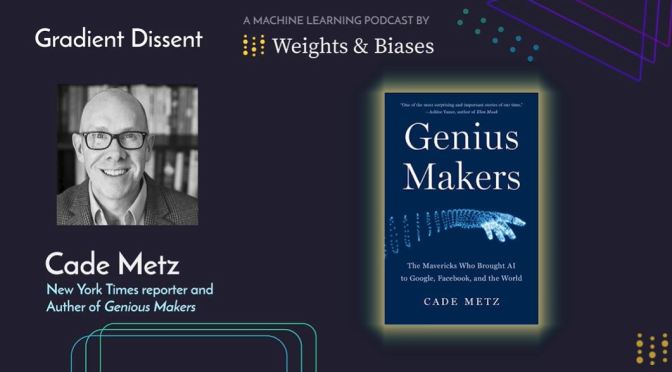
How Cade got access to the stories behind some of the biggest advancements in AI, and the dynamic playing out between leaders at companies like Google, Microsoft, and Facebook.
Cade Metz is a New York Times reporter covering artificial intelligence, driverless cars, robotics, virtual reality, and other emerging areas. Previously, he was a senior staff writer with Wired magazine and the U.S. editor of The Register, one of Britain’s leading science and technology news sites. His first book, “Genius Makers”, tells the stories of the pioneers behind AI.
Topics discussed: 0:00 Sneak peek, intro 3:25 Who is “Genius Makers” for and about? 7:18 *Spoiler alert!* Artificial General Intelligence (AGI) 11:01 How the story continues after the book ends 17:31 Overinflated claims in AGI 23:12 Deep Mind, OpenAI, and AGI 29:02 Outsider perspectives 34:35 Early adopters of ML 38:34 Who gets credit for what? 42:45 Dealing with bias 46:38 Aligning technology with nee
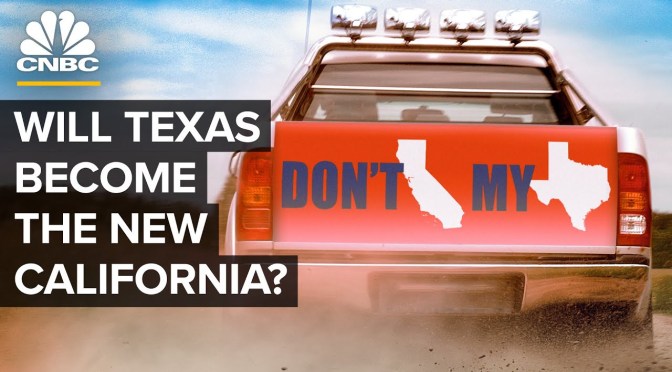
Tesla’s gigafactory and Apple’s second-largest campus aren’t the only big businesses coming to Texas. From Oracle to Hewlett Packard Enterprise, Elon Musk to Joe Rogan, Texas has lured an increasing number of big businesses and billionaires away from California since the pandemic began. While California’s population and job growth both slowed to a trickle, Texas added more residents than any other state in 2020. CNBC talks to those moving and longtime Texans about the reasons behind the trend and what it could mean for the future of the Lone Star State.
News, Views and Reviews For The Intellectually Curious