From a Wall Street Journal online article:
“many people are poorly prepared for unexpected expenses” in later life, the study notes. Even worse, about one in five retirees (19%) and one in four retired widows (24%) experienced four or more shocks during retirement. The good news: Many older adults who get hit with stealth expenses appear to bounce back.
• Replacement costs. Big-ticket buys—a new furnace, updated appliances, a fresh coat of house paint—can put sizable dents in your nest egg. But most people don’t consider that these outlays can follow them into later life or that such costs can continue to add up for decades. A contributing factor: Many retirees underestimate their life expectancy.
• Relatives in need. This can hit you from two sides: aging parents feeling a financial pinch and younger family members who suddenly find themselves in a bind. With the latter, perhaps it can be an adult child who gets laid off or divorced, or a grandchild who needs help with tuition.
 • Required distributions. Most people know that, after reaching age 70½, they must begin withdrawing funds from tax-deferred accounts (like IRAs). What they fail to understand are the ripple effects from these payouts. Required minimum distributions can, first, push you into a higher tax bracket and, second, translate into increased Medicare Part B premiums (which are tied to annual income).
To read more: https://www.wsj.com/articles/the-expenses-people-often-forget-when-they-plan-for-retirement-11571321423

 Phil Waldeck, president of Prudential (NYSE: PRU) retirement talks with host Jason Moser and Robert Brokamp, CFP about the state of retirement in the United States and more.

 I built a frame out of ash wood. Then I hand-formed and welded body panels onto the frame. I re-engineered the brakes, the steering and the clutch system to fit properly, and I hand-formed the grille out of aluminum. The seats I built out of plywood, foam and vinyl that looks like leather. When I started, I had no idea how to do any of this.

 That’s why Kamber created
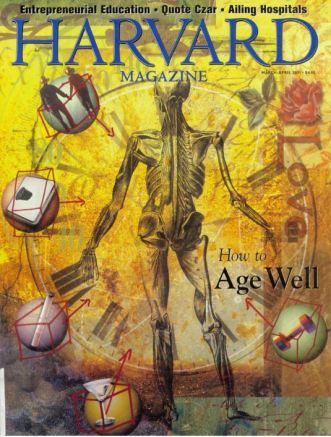 Six factors measured by age 50 were excellent predictors of those who would be in the “happy-well” group–the top quartile of the Harvard men–at age 80: a stable marriage, a mature adaptive style, no smoking, little use of alcohol, regular exercise, and maintenance of normal weight. At age 50, 106 of the men had five or six of these factors going for them, and at 80, half of this group were among the happy-well. Only eight fell into the “sad-sick” category, the bottom quarter of life outcomes. In contrast, of 66 men who had only one to three factors at age 50, not a single one was rated happy-well at 80. In addition, men with three or fewer factors, though still in good physical health at 50, were three times as likely to be dead 30 years later as those with four or more.


 Rent the Backyard


 While it may be unassuming, B.T.’s is hardly undiscovered. The lines get long, so time your trip to hit the smokehouse when it opens at 11 a.m. or during the late-afternoon lull. Order your meat to go, grab a beer at the convenience store next door, and park yourself on the hood of your car, the curb, or anywhere you can find a spot. It isn’t glamorous, but it is astonishingly good.