
Category Archives: Medicine
New Survey: 58% Of Older Adults Are ‘Likely’ To Get A Covid-19 Vaccine (Nov ’20)

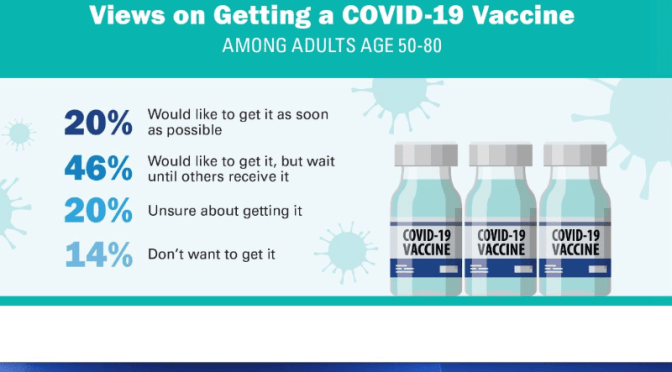
When asked how likely they would be to get a COVID-19 vaccine when available and if no cost to them, 58% of older adults indicated they would be likely to get a COVID-19 vaccine (33% very likely, 25% somewhat likely), 28% said they were unlikely (11% somewhat unlikely, 17% very unlikely), and 14% were unsure or did not know.
About two in three older adults (63%) indicated they received a flu shot last flu season. Seven in ten either received one since August 2020 (34%) or intended to get one this flu season (38%). Nearly half of adults age 50–80 (49%) believed that getting a flu vaccine is more important this year compared to other years, 44% said it is just as important, and 7% said it was less important.
Interest in getting a COVID-19 vaccine was more common among those age 65–80 compared with those 50–64 (63% vs. 54%), men compared with women (64% vs. 52%), and Whites compared with Hispanics and Blacks (63% vs. 51% vs. 40%). Individuals who lived with others, had higher household incomes, or had more education were also more likely to report they would get a COVID vaccine.
Half of adults age 50–80 (52%) said they personally knew someone who had COVID-19, and 2% reported having had it themselves. One in five older adults (19%) indicated they personally knew someone who died from COVID-19. The likelihood of getting a COVID-19 vaccine did not differ based on whether respondents knew someone who had COVID-19 or who died from it.
In deciding whether to get a COVID-19 vaccine, older adults rated the following as very important: how well it works (80%), their own research (56%), and if it was recommended by their doctor (52%), public health officials (42%), or family and friends (13%). Cost was rated as very important by 30% of older adults.
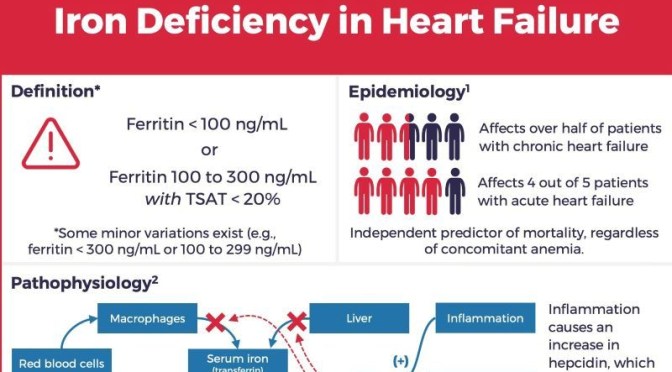
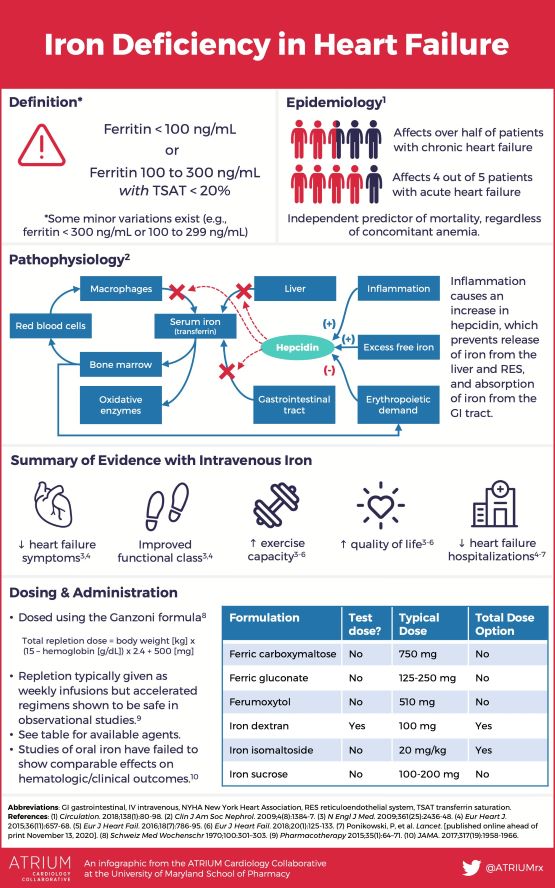
Health: Iron Deficiency In Heart Failure Infographic
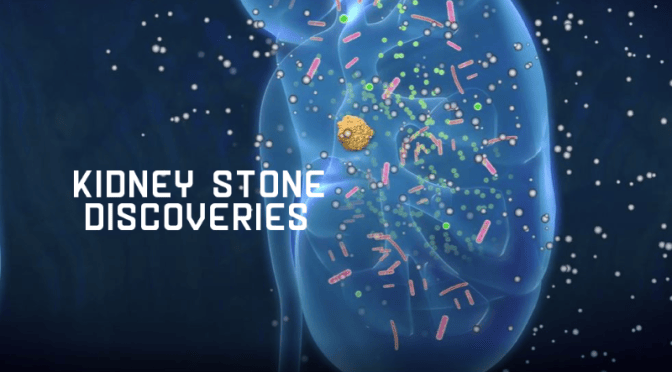
Health: New Discoveries In Kidney Stones Treatment
Travertine stone used extensively in Mayo Clinic buildings has provided a research team from Mayo Clinic and the University of Illinois with an unexpected – and beautiful – clue about kidney stones.
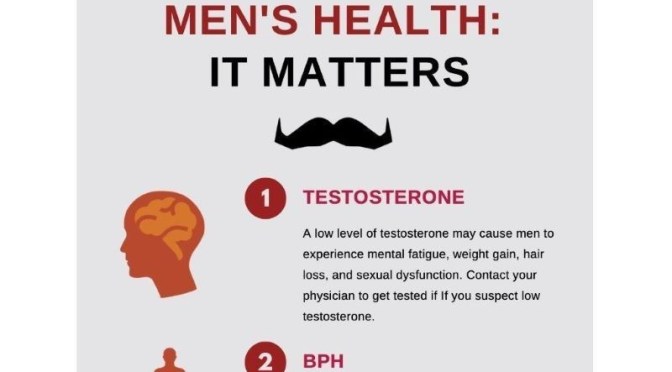
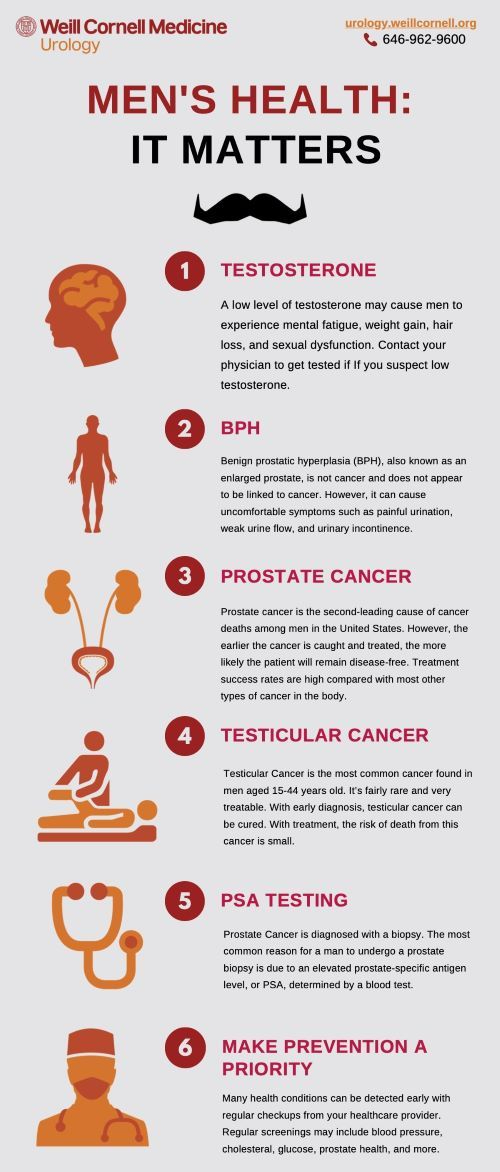
Infographic: Men’s Health – Five Things To Know

Covid-19 Podcast: Death Rates Are Falling – What This Means For Pandemic

The COVID-19 mortality rate is falling around the world. We discuss the reasons behind this – the role of new drugs, the treatment strategies the have been learned, or re-learned, and the ever-present worry that these hard won victories could be undone by rising infection rates.
In this episode:
00:44 An increase in survival rates
The COVID-19 mortality rate is falling around the world. We discuss the reasons behind this – the role of new drugs, the treatment strategies the have been learned, or re-learned, and the ever-present worry that these hard won victories could be undone by rising infection rates.
News Feature: Why do COVID death rates seem to be falling?
10:53 More vaccine good news
This week, Moderna released preliminary results for its COVID-19 vaccine candidate, the third positive indication from a string of vaccine announcements. Although the full data are yet to be published, do these results give us more reasons to feel hopeful?
News: COVID vaccine excitement builds as Moderna reports third positive result
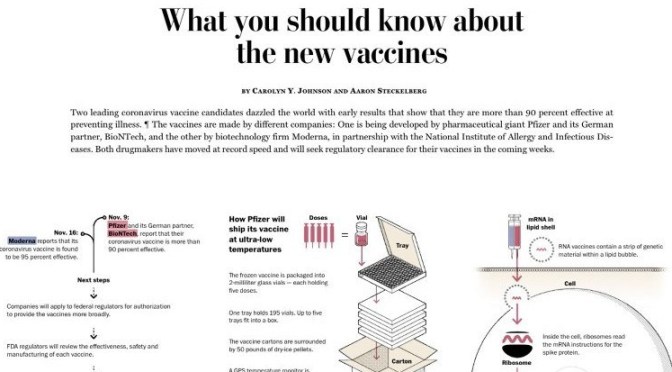
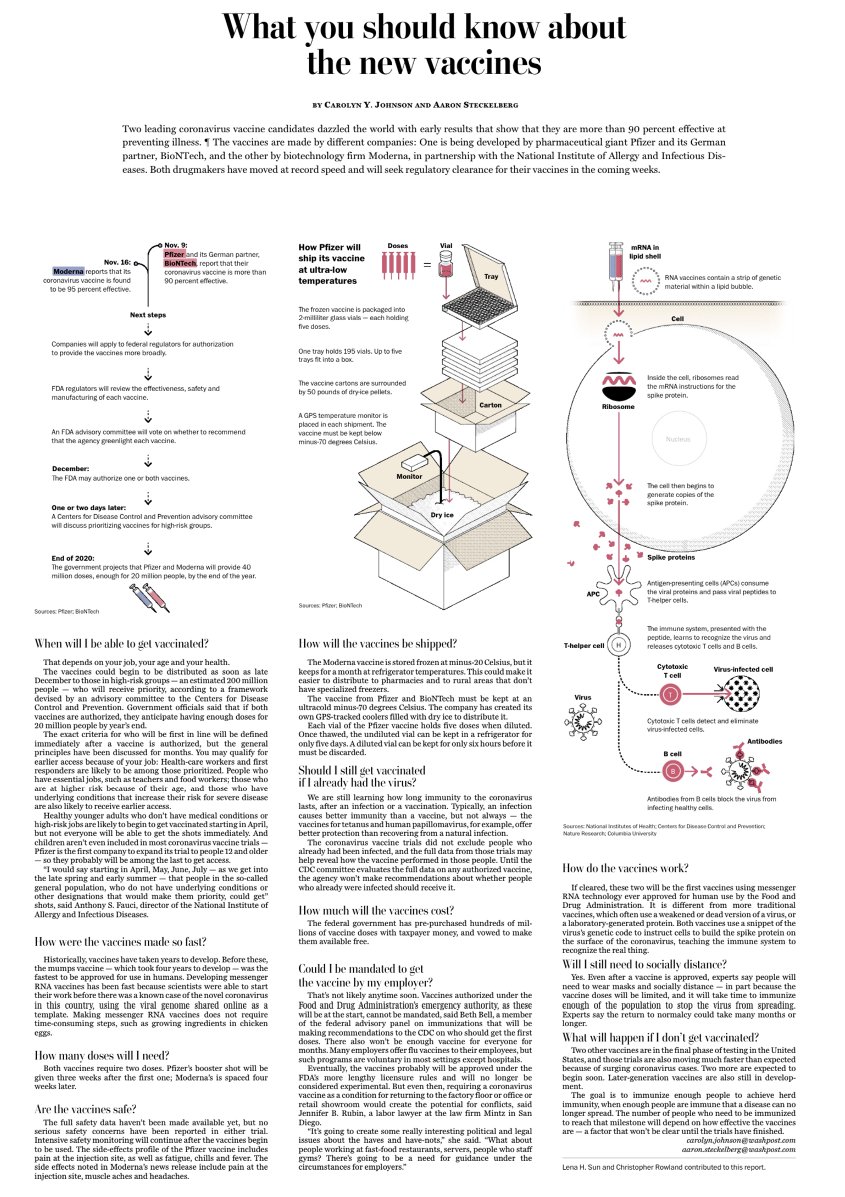
Covid-19: What To Know About The New Vaccines
Health: Covid-19 Vaccine Threatened By Mistrust Of Science & Politicians
A vaccine for covid-19 could be rolled out before the end of the year. But a worrying rise in mistrust of vaccines threatens its effectiveness. Now & Next is a series from The Economist Films: https://films.economist.com/nowandnext/
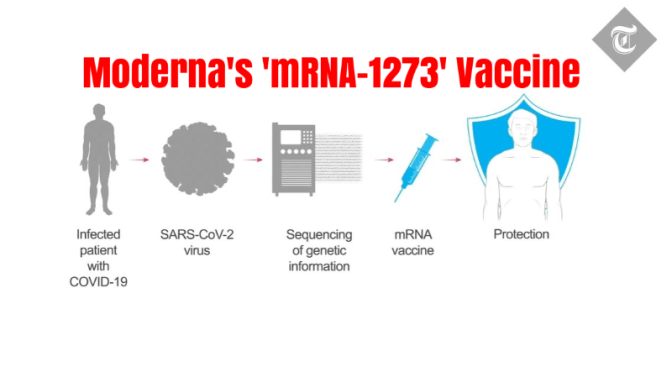
Covid-19 News: How ‘Moderna’s mRNA-1273 Vaccine’ Works (Video)
Early data from US biotech Moderna has revealed that its Covid-19 vaccine candidate is 94.5 per cent effective, raising hopes that a range of immunisations will be available to help end the pandemic. The interim analysis of the vaccine, currently known as mRNA-1273, comes after 95 trial participants contracted Covid-19, including just five who were given the coronavirus jab. While the data was published via a press release, it includes significant details that remain unclear around the Pfizer-BioNTech vaccine – which uses the same mRNA technology to target the coronavirus spike protein and an immune response.
 Intellicurious