Category Archives: Health

New Books: “Brain Fables – The Hidden History of Neurodegenerative Diseases” (Cambridge, 2020)

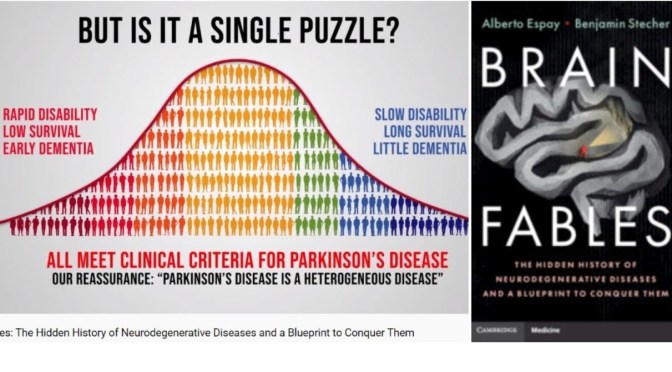
An estimated 80 million people live with a neurodegenerative disease, with this number expected to double by 2050. Despite decades of research and billions in funding, there are no medications that can slow, much less stop, the progress of these diseases. The time to rethink degenerative brain disorders has come. With no biological boundaries between neurodegenerative diseases, illnesses such as Parkinson’s and Alzheimer’s result from a large spectrum of biological abnormalities, hampering effective treatment.

Acclaimed neurologist Dr Alberto Espay and Parkinson’s advocate Benjamin Stecher present compelling evidence that these diseases should be targeted according to genetic and molecular signatures rather than clinical diagnoses. There is no Parkinson’s or Alzheimer’s, simply people with Parkinson’s or Alzheimer’s. An incredibly important story never before told, Brain Fables is a wakeup call to the scientific community and society, explaining why we have no effective disease-modifying treatments, and how we can get back on track.

Read more or purchase

Health: “How the Body Clears Covid-19” (Video)

Understanding how the body clears the new coronavirus is becoming more important as the U.S. begins to reopen. WSJ’s Daniela Hernandez explains how the body fights infection and why feeling better doesn’t equal being virus-free.

Photo illustration: Laura Kammermann

International Podcasts: Switzerland Eases Its Lockdown Restrictions

Monocle on Sunday logoMonocle 24 checks in on Switzerland’s plans to further ease coronavirus restrictions and ask whether the country is setting an example that others should follow.
Plus: the weekend’s newspapers and top stories. From Milan: Salone highlights, interviews and a daily running guide.

Website

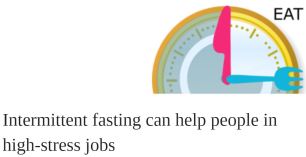
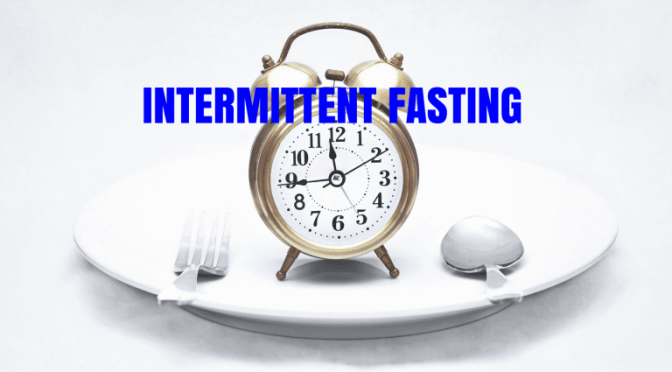
Health: The Benefits Of “Intermittent Fasting” For People In High-Stress Jobs

From Oxford University Press – OUP (May 1, 2020):

…ultra-processed foods are generally the foods available to nurses working nightshifts, firefighters returning to their department after a call, police officers Intermittent Fasting Article in OUP May 1 2020patrolling neighborhoods, or military soldiers during field-exercises. Thus, time-restricted eating removes the added stress of what to eat, and serves as a practical intervention conducive to the schedules of many people.

Time-restricted eating has been shown to lower circulating insulin, blood pressure, body fat and overall body weight, inflammation, and oxidative stress.

Time-restricted eating is a nutrition intervention which alternates between a period of fasting (12 – 16 hours) followed by a period of eating (8 – 12 hours). Unlike other diets, which focus on the caloric content of a meal or which foods you should eat, time-restricted eating focuses exclusively on when you eat by compressing and standardizing the feeding window each day. In turn, people following this type of eating pattern naturally enter a state of caloric deficit.

Read full article

Nutrition Reviews - Time-Restricted Feeding

Read Study in Nutrition Reviews

Covid-19: “Who’s Really Immune?” (Prognosis)

Prognosis PodcastAs states grapple with the question of when it will be safe to reopen businesses and relax social distancing, there’s increasing urgency to better understand who’s immune to Covid-19. Does having the virus and recovering mean you can’t get it again, or at least that you can’t be reinfected for some time?

No one yet has good answers to these questions. Kristen V. Brown looked into what we do, and don’t, know about the science of coronavirus immunity.

Health: “Chasing The Sun – How Light And Dark Shape Our Bodies And Minds”

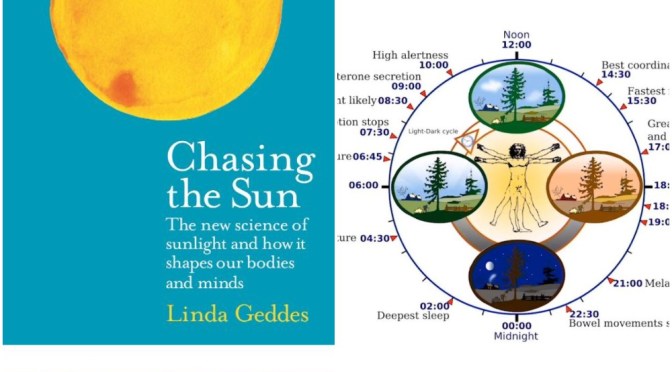
Human biology is tuned to a 24-hour light-dark cycle but modern lifestyles are disrupting it with unhealthy consequences, says Linda Geddes

Rise Of Obesity: “Sugar – The Unsweetened Truth”

Obesity is at the root of silent epidemics such as type 2 diabetes and nonalcoholic fatty liver disease.

Laura Schmidt explores the causes and solutions, taking lessons from tobacco: reducing the availability of harmful substances reduces consumption, thereby reducing harms to health. She talks about the UCSF Healthy Beverage Initiative and the effects it has had on employee health.

Website

Recorded on 02/13/2020. [5/2020] [Show ID: 35586]

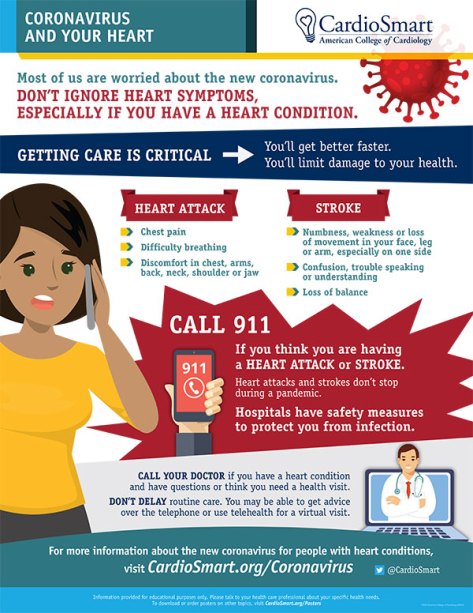
Infographic: “Don’t Ignore Heart Symptoms During Coronavirus”

Coronavirus-and-Your-Heart-Dont-Ignore-Heart-Symptoms-600px

Hospitals across the U.S. are experiencing an influx of COVID-19 patients, but clinicians are reportedly seeing fewer patients going to the emergency room for heart attack or stroke.

Experts worry that patients who need critical care are delaying their treatment over COVID-19 concerns.

To encourage patients to pay close attention to their symptoms and call 9-1-1 immediately if they believe they are having a heart attack or stroke, ACC’s CardioSmart team developed the Coronavirus and Your Heart Infographic.

The infographic urges patients not to ignore symptoms, especially if they have a heart condition, and reassures them that hospitals have safety measures to protect patients from infection with the novel coronavirus.