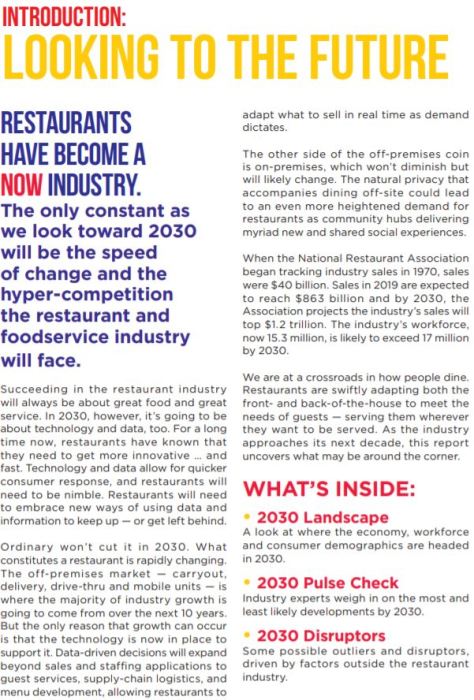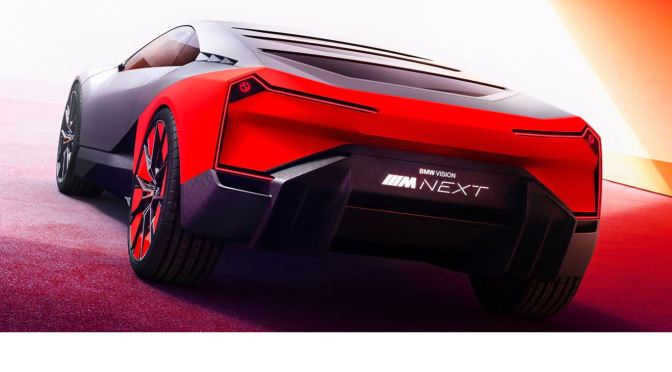
 ‘we believe in the power of choice,’ begins domagoj dukec. as cars embrace new technologies such as autonomous systems, BMW and their designers are ensuring customers are still offered their own ultimate driving experience. in fact, they are actually integrating technology into the background of their designs, from the powertrains to the adaptable furniture and interior fabrics, creating mobility spaces that adapt to your needs. the innovations are there to help and enhance the experience but are free to the user to choose when, where and how it affects their journey. this power of choice is exemplified by BMW‘s two driving modes and vision cars: EASE and BOOST, and the Vision iNEXT and Vision M NEXT.

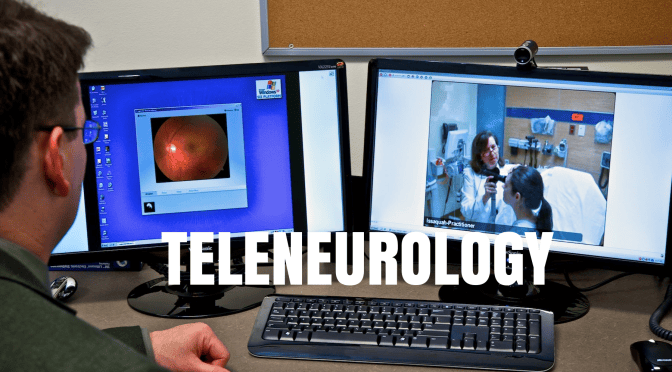
 Telemedicine extends care accessibility to people with epilepsy, who may be unable to drive to appointments, as well as people with mobility issues stemming from neurologic disorders such as multiple sclerosis. Virtual care also helps address geographic barriers by allowing patients in rural areas to see a neurologist through telemedicine technology instead of having to travel hours for in-person care, said lead author Jaime Hatcher-Martin, MD, PhD, a member of AAN, according to the news release.


 “What virtual kitchens, or the Kitchen United concept does, is create a new economic model, where no longer do [restaurants] have to invest in expensive real estate and fancy front-of-house overhead and dining rooms, [they] can share kitchen space, optimize capital that is there and hopefully create a more profitable model for delivery,” NPD Group Vice President David Portalatin told Restaurant Dive.



 “Such wearable sweat sensors have the potential to rapidly, continuously, and noninvasively capture changes in health at molecular levels,” Gao says. “They could enable personalized monitoring, early diagnosis, and timely intervention.”
 Gao’s work is focused on developing devices based on microfluidics, a name for technologies that manipulate tiny amounts of liquids, usually through channels less than a quarter of a millimeter in width. Microfluidics are ideal for an application of this sort because they minimize the influence of sweat evaporation and skin contamination on the sensing accuracy. As freshly supplied sweat flows through the microchannels, the device can make more accurate measurements of sweat and can capture temporal changes in concentrations.
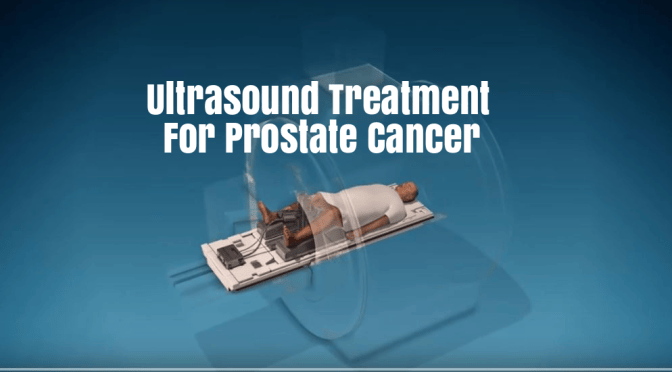
 The TACT Pivotal study of MRI-guided TULSA for whole-gland ablation in men with localized prostate cancer met its primary PSA endpoint in 96% of patients, with low rates of severe toxicity and residual GG2 disease. MRI at 12mo detected residual disease with NPV of 93%.
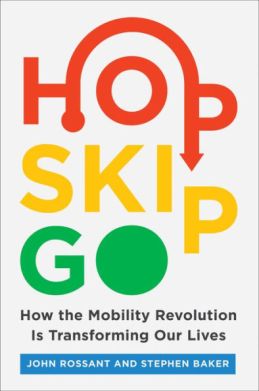 In an engaging, deeply reported book, the authors travel to mobility hotspots, from Helsinki to Shanghai, to scout out this future. And they visit the companies putting it together. One, Divergent3d, is devising a system to manufacture cars with robots and 3D printers. PonyAI, a Chinese-Silicon Valley startup, builds autonomous software that perceives potholes, oncoming trucks, and wayward pedestrians, and guides the vehicle around them. Voom, an Airbus subsidiary, is racing with dozens of others to operate fleets of air taxis that fly by themselves.

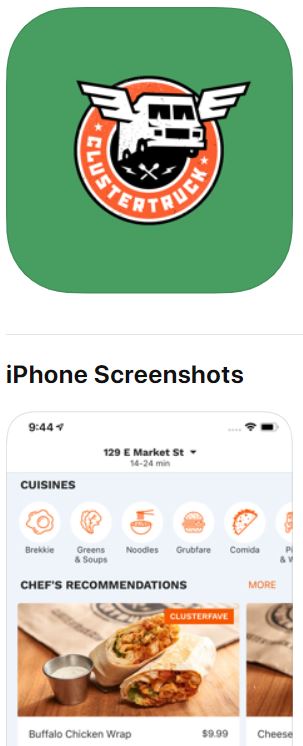 “The way our customers order and receive meals is evolving, and ClusterTruck’s innovative culinary and digital design is cracking the code for the future of profitable meal delivery,” said Yael Cosset, Kroger’s CIO. “Kroger is leveraging ClusterTruck’s advanced technology to ensure our customers don’t have to sacrifice quality and value for convenience when it comes to meal delivery. Kroger Delivery Kitchen Powered by ClusterTruck will allow our customers to access restaurant-quality fresh and delicious meals like never before and without having to pay excessive service or delivery fees.”