From a NY Times online review:
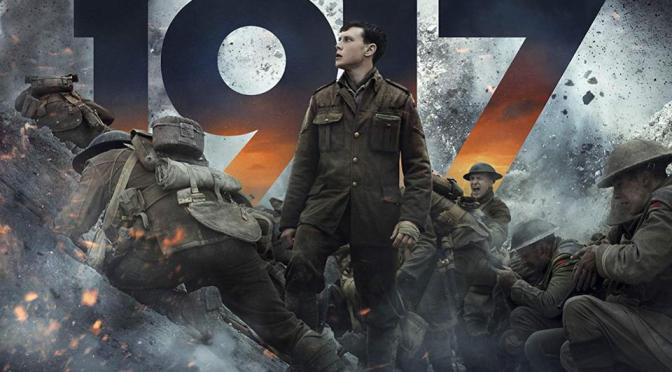
The war spectacle “1917,” directed by Sam Mendes (“American Beauty”), was unveiled in preview screenings on both coasts this past weekend and immediately announced itself as a significant Oscar player. The movie follows two British soldiers during World War I (George MacKay and Dean-Charles Chapman) as they’re given a seemingly impossible mission: Rush through dangerous territory to deliver a message that could save another battalion on the verge of annihilation.
Though “1917” recalls other Oscar-winning war movies like “Saving Private Ryan” and “Dunkirk,” Mendes distinguishes his effort by presenting the story as though “1917” were filmed all in one single take. It isn’t — Mendes and the cinematographer Roger Deakins employ all manner of clever methods to stitch together a great many different shots — but the average moviegoer won’t be able to spot the tells, and the you-are-there verisimilitude is potent.
To read more: https://www.nytimes.com/2019/11/25/movies/1917-oscar-odds.html
 Netflix has risen from obscurity to be one of the most powerful media companies in the world with more than 150 million global subscribers. It has launched critically acclaimed hits such as House of Cards, The Crown and Unbelievable, as well as showcasing the back catalogues of popular television series. But as part of its rapid growth, the company has racked up huge debts.

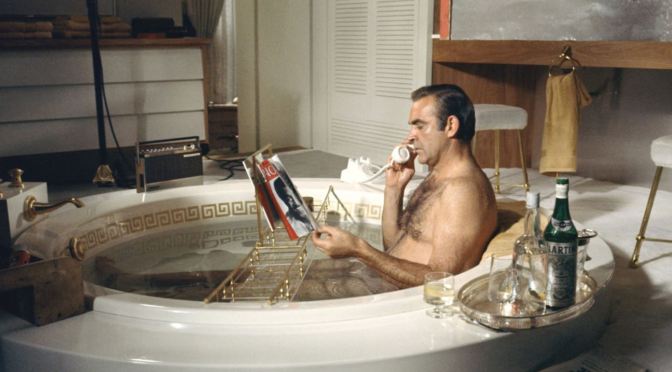
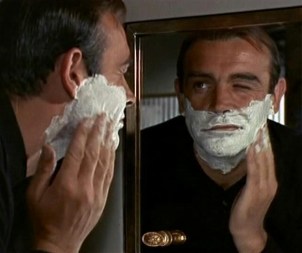 “He went into the bathroom and had an ice-cold shower and washed his hair with Pinaud Elixir, that prince among shampoos, to get the dust of the roads out of it…”
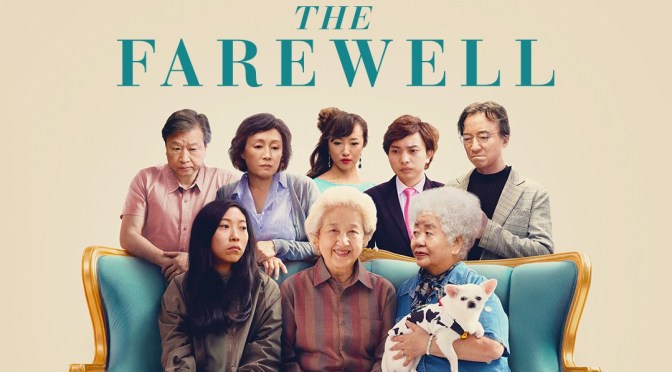
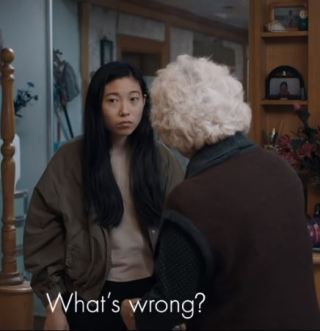 The plot line of The Farewell is familiar to me. Like Billi’s Nai Nai, my aunt was diagnosed with metatastic lung cancer. Nobody in the family told her – nor did the doctors when she later underwent surgery to remove a tumour. The last time I saw her was in north-eastern China a few years ago. Her once-plump figure had shrunk to a wiry frame. She was in her early 70s, in good spirits, but a far cry from the feisty matriarch who used to dominate conversations.
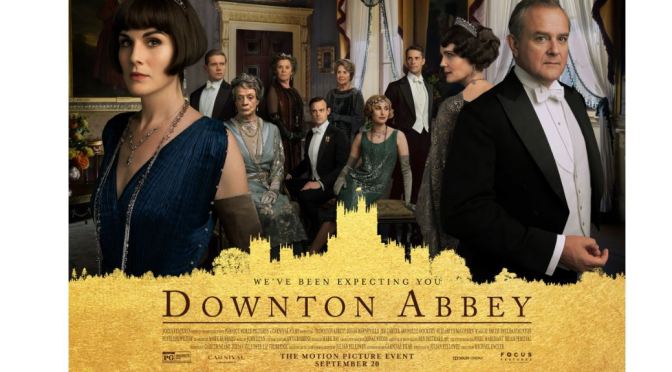
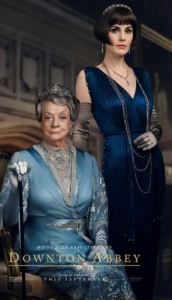 “It’s a way of life that’s gone and I don’t think it’s a bad state that it’s gone. But realistically it must’ve been livable on a level by pretty well everyone involved or it wouldn’t have gone on for a thousand years.”
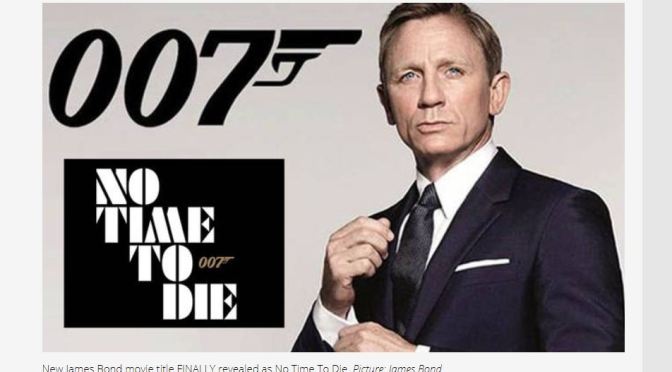
 No Time to Die, as Bond 25 is called, will be out on April 8, 2020 in the U.S. and April 3 in the UK.
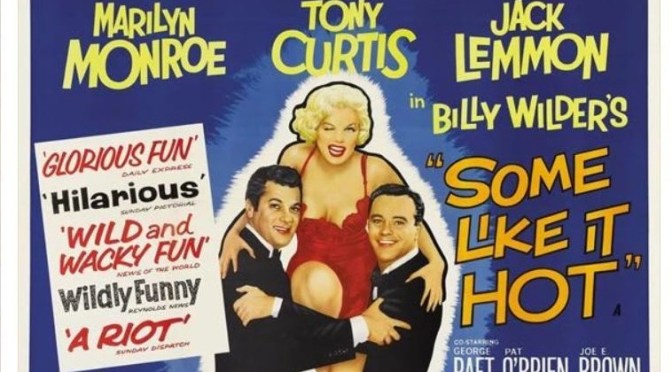
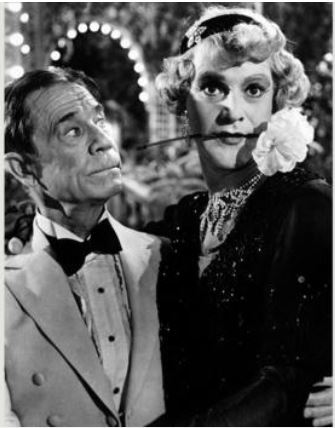 Faced with the question of why Some Like It Hot has topped BBC Culture’s poll of the best ever big-screen comedies, it’s tempting to say something similar. Wilder’s glittering masterpiece doesn’t just use the handsomest kid in town (and a terrific actor, to boot), but its most radiant sex symbol, Marilyn Monroe, and one of its most dexterous comedians, Jack Lemmon. It also has a bevy of bathing beauties, a crowd of sinister mafiosi, a glamorous seaside setting in the roaring ‘20s, and a sizzling selection of songs.
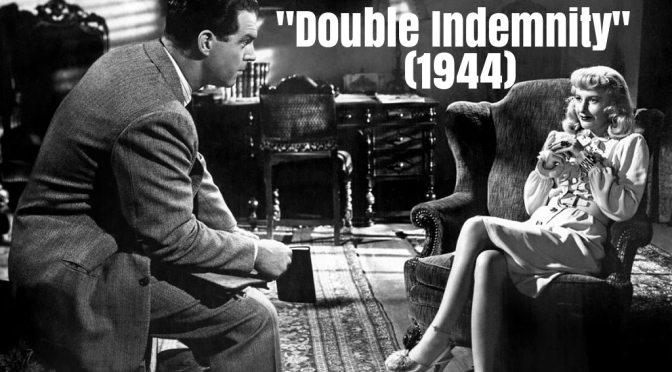
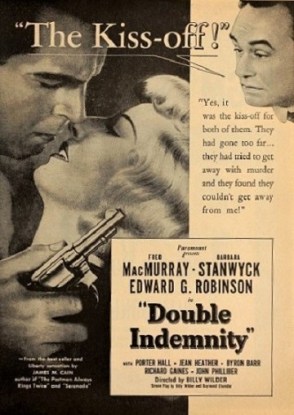 Seventy-five years ago, “Double Indemnity” opened in theaters across America. It was an instant hit, and remains to this day a staple offering of revival houses and on cable TV and streaming video. Yet little journalistic notice has been taken of the birthday of Billy Wilder’s first great screen drama, a homicidal thriller that nonetheless had—and has—something truly unsettling to say about the dark crosscurrents of middle-class American life.