Tag Archives: Health

Future Of Health Care: New Machine Learning System Detects Infections 48 Hours In Advance

From a Health IT Analytics online release:
Philips Machine Learning SystemThe prototype revealed that using artificial intelligence and machine learning to examine certain combinations of vital signs and other biomarkers could strongly predict the likelihood of infection up to 48 hours in advance of clinical suspicion, including observable symptoms.

Royal Philips, in collaboration with the Defense Threat Reduction Agency (DTRA) and Defense Innovation Unit (DIU) of the US Department of Defense (DoD), are building a machine learning algorithm that will be able to detect an infection before a patient shows signs or symptoms.

The partnering organizations recently announced results from an 18-month project, called Rapid Analysis of Threat Exposure (RATE), the first large-scale exploration of pre-symptomatic infection in humans. The project aims to develop an early warning system that accelerates diagnosis and treatment of infection, containing the spread of communicable disease.

To read more: https://healthitanalytics.com/news/philips-dod-build-machine-learning-system-to-detect-infection


Health Podcasts: Stable Blood Sugar Can Lower Alzheimer’s Risk (NPR)

NPR Health News“The risk for dementia is elevated about twofold in people who have diabetes or metabolic syndrome (a group of risk factors that often precedes diabetes),” Holtzman says. 

…poor sleep is a known risk factor for Alzheimer’s. So maintaining normal blood sugar levels in Alzheimer’s patients could improve their sleep and might even slow down the disease, she says.

Health Care Costs: Top 5 Highest Paid Physician Specialties (PayScale.com)

From a Becker’s Spine online article:

PayScale LogoPayScale reports real-time salary data from over 54 million reports from job seekers, fact checking the data against private and public compensation data.

Here’s how average pay ranges for five physician specialties stack up:

1. Neurosurgeon: $401,499

2. Cardiothoracic surgeon: $387,451

3. Invasive cardiologist: $382,361

4. Orthopedic surgeon: $375,091

5. Gastroenterologist: $309,604

To read more: https://www.beckersspine.com/spine/item/47223-5-highest-paying-physician-specialties-neurosurgeon-no-1-at-401k.html?oly_enc_id=9129H5611090H0N


Health: Asymptomatic Bacteriuria Diagnosis In Older Patients Should Not Require Antibiotics

From a New York Times online article:

Asymtomatic Bacteriuria DefinitionAt Dr. Soong’s hospital, withholding the results of urine cultures, unless doctors actually called the microbiology lab to request them, reduced prescriptions for asymptomatic bacteriuria to 12 percent from 48 percent of non-catheterized patients, with no loss of safety.
“The extra step of having the clinician call eliminated a lot of frivolous testing,” Dr. Soong said.

In patients who have none of the typical symptoms of a urinary tract infection — no painful or frequent urination, no blood in the urine, no fever or lower abdominal tenderness — lab results detecting bacteria in the urine don’t indicate infection and thus shouldn’t trigger treatment.

Older people, and nursing home residents in particular, often have urinary systems colonized by bacteria; they will have a positive urine test almost every time, but they’re not sick.

To read more: https://www.nytimes.com/2019/10/14/health/urine-tests-elderly.html

Health Care: Number Of Organ Transplant Physicians Shrinks As Demand Increases

From a StatNews.com online article:

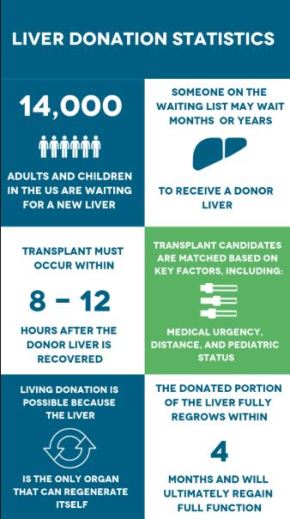
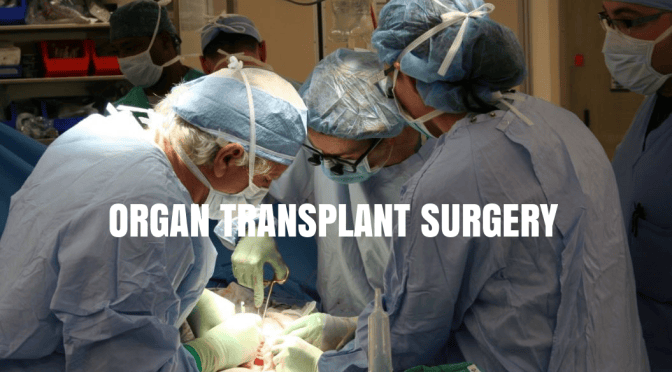
Liver Transplants & DonorsMost Americans probably aren’t aware of the decline in the number of individuals training to become transplant physicians and how it will affect the future of medicine. Neither are the 2020 presidential hopefuls, all of whom have policies they believe best provide health care coverage for Americans without acknowledging or calling attention to the fact that soon there may not be enough doctors to do the work once more people are insured. We need a plan for that.

During the 25 years I’ve been a transplant doctor, I’ve cared for hundreds of patients who received lung transplants. I’m now worried about the growing number of people who will need this lifesaving procedure in the future but who won’t have enough transplant physicians to do it.

At any given time in the U.S., about 120,000 people are waiting for the call that they’ve been matched with a donor for a new lung, heart, liver, or kidney. That number will continue to rise, but the number of doctors to take the 2 a.m. call that a donor has been found for their patient and perform the transplant is dwindling.

To read more: https://www.statnews.com/2019/10/17/transplant-physicians-number-dwindling/?utm_source=STAT+Newsletters&utm_campaign=20aba6d000-First_Opinion&utm_medium=email&utm_term=0_8cab1d7961-20aba6d000-150443417

Studies: Antibiotics Impair Microbiome Composition, Reducing Flu Immunity

From a Science Magazine online article:

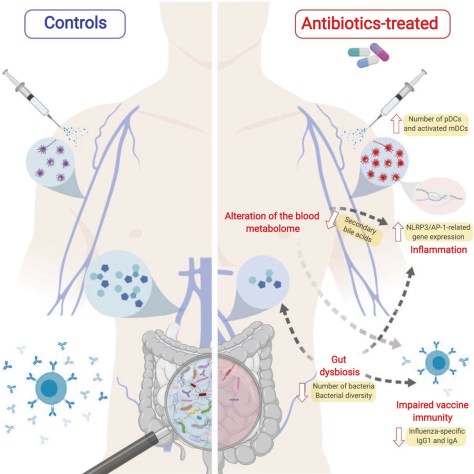
Antibiotic use diminished the gut microbiome composition and impaired the ability of the immune system to generate antibodies. Treatment with antibiotics also disturbed bile acid metabolism and caused inflammatory responses.

From the original findings the Journal “Cell.com”:

Emerging evidence indicates a central role for the microbiome in immunity. However, causal evidence in humans is sparse. Here, we administered broad-spectrum antibiotics to healthy adults prior and subsequent to seasonal influenza vaccination. Despite a 10,000-fold reduction in gut bacterial load and long-lasting diminution in bacterial diversity, antibody responses were not significantly affected. However, in a second trial of subjects with low pre-existing antibody titers, there was significant impairment in H1N1-specific neutralization and binding IgG1 and IgA responses.

Web

In addition, in both studies antibiotics treatment resulted in (1) enhanced inflammatory signatures (including AP-1/NR4A expression), observed previously in the elderly, and increased dendritic cell activation; (2) divergent metabolic trajectories, with a 1,000-fold reduction in serum secondary bile acids, which was highly correlated with AP-1/NR4A signaling and inflammasome activation. Multi-omics integration revealed significant associations between bacterial species and metabolic phenotypes, highlighting a key role for the microbiome in modulating human immunity.

Diet Studies: “Dietary Fructose” In Soft Drinks, Foods Impairs The Body’s Ability To Burn Fat

From a Cell Metabolism online release:

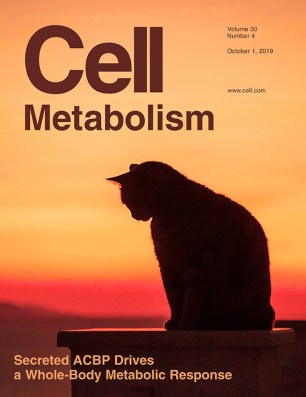
Cell Metabolism Journal CoverIn summary, dietary fructose, but not glucose, supplementation of HFD impairs mitochondrial size, function, and protein acetylation, resulting in decreased fatty acid oxidation and development of metabolic dysregulation.

Dietary sugars, fructose and glucose, promote hepatic de novo lipogenesis and modify the effects of a high-fat diet (HFD) on the development of insulin resistance. Here, we show that fructose and glucose supplementation of an HFD exert divergent effects on hepatic mitochondrial function and fatty acid oxidation. This is mediated via three different nodes of regulation, including differential effects on malonyl-CoA levels, effects on mitochondrial size/protein abundance, and acetylation of mitochondrial proteins. HFD- and HFD plus fructose-fed mice have decreased CTP1a activity, the rate-limiting enzyme of fatty acid oxidation, whereas knockdown of fructose metabolism increases CPT1a and its acylcarnitine products. Furthermore, fructose-supplemented HFD leads to increased acetylation of ACADL and CPT1a, which is associated with decreased fat metabolism.

To read more: https://www.cell.com/cell-metabolism/fulltext/S1550-4131(19)30504-2?_returnURL=https%3A%2F%2Flinkinghub.elsevier.com%2Fretrieve%2Fpii%2FS1550413119305042%3Fshowall%3Dtrue

Health Technology: Digital Therapeutics Startup “Kaia” Targets Chronic Pain With AI-Guided Exercise

From a VentureBeat.com online review:

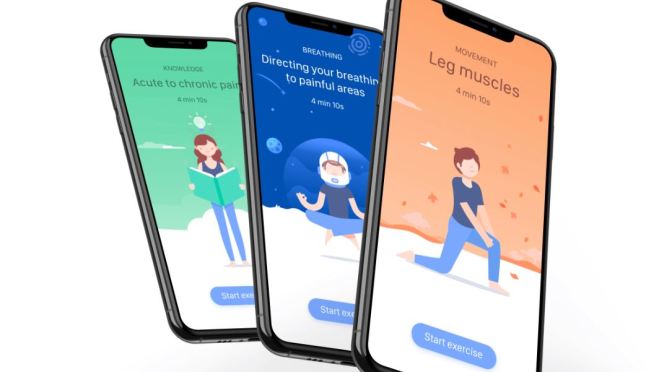
Kaia Digital ExerciseKaia’s iOS and Android apps were developed with the help of physiotherapists, pain management physicians, orthopedic surgeons, and clinical psychologists, the company claims, and are registered as Class 1 medical devices with the Food and Drug Administration. They serve up video clips covering basic back and COPD pain information and step-by-step physiotherapy exercises, in addition to psychological strategies, such as mindfulness and muscle relaxation.

During each of the over 120 15-minute exercises, in-app computer vision models track connective points on the body through a device’s front-facing camera while an on-screen wireframe model illustrates the steps. Audio feedback informs users whether they’re performing exercises correctly and how they might improve, and a built-in chat tool allows them to consult with a physiotherapist or sports scientist on questions related to specific moves.

To read more: https://venturebeat.com/2019/09/17/kaia-raises-8-million-to-treat-chronic-pain-with-ai-guided-exercise/

Health Studies: Epidemic Of Physical Inactivity, Processed Foods Results In “Stiffer Hearts” Which Compromises Endurance

From Phys.org online article:

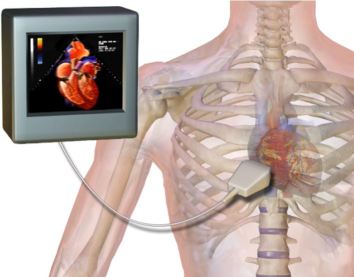
Echocardiogram wikipedia“As a result, today’s epidemic of physical inactivity in conjunction with highly processed, high-sodium diets contributes to thicker, stiffer hearts that compromise the heart’s ability to cope with endurance physical activity, and importantly this may start to occur prior to increases in resting blood pressure,” explains Shave.

The landmark study analyzed 160 humans, 43 chimpanzees and five gorillas to gain an understanding of how the heart responds to different types of physical activity. In collaboration with Harvard University’s Daniel Lieberman and Aaron Baggish, UBC Professor Robert Shave and colleagues compared left ventricle structure and function in chimpanzees and a variety of people, including some who were sedentary but disease-free, highly active Native American subsistence farmers, resistance-trained football linemen and -trained long-distance runners.

To read more: https://phys.org/news/2019-09-evolution-heart.html