From a Wall Street Journal online article:
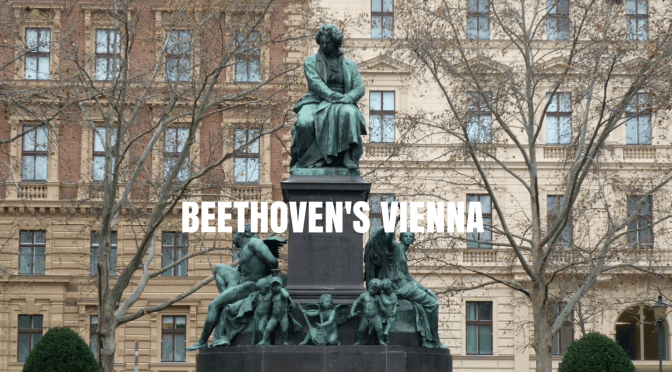
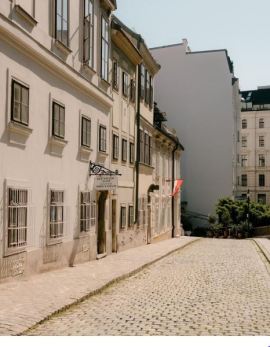 Beethoven moved nearly 70 times while living in Vienna. Two of his former homes are open to the public, and many more are marked with commemorative plaques.
High above Vienna’s historic center, at the edge of the hilly Vienna Woods, the city’s Beethoven Museum, is housed in a onetime bakery complex dating back to the late Middle Ages, with an 18th-century annex containing a small apartment where Beethoven spent the summer of 1802. While living here, he composed his tragic “Tempest” piano sonata and began work on his 3rd Symphony, the “Eroica.”
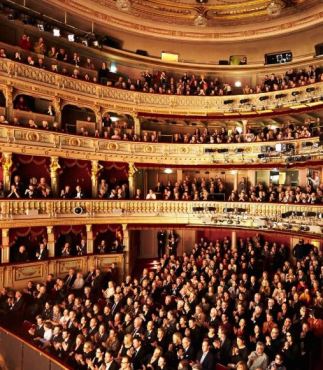 LUDWIG VAN BEETHOVEN is as Viennese as apple strudel. Though born in Bonn, Germany in 1770, he moved to the Austrian capital when he was in his early 20s, and then spent the rest of his 56 years changing the course of Western music from the city on the Danube. A quirky, cantankerous celebrity in his own time, he premiered his groundbreaking symphonies and concertos in Vienna’s grand palaces, escaped the summer heat in what are now its sleepy suburbs, and moved around between dozens of supposedly squalid apartments that sprawl across much of the city.
To read more: https://www.wsj.com/articles/where-to-binge-on-beethoven-in-vienna-11568303745

 On “Travel Man,” Ayoade is fun to look at (snappy suits, thick-framed glasses, expression of amused diffidence) and fun to listen to. (Of a monastery turned hotel in Naples, he says, “As well as modish guff, like a rooftop pool and a spa, it retains attractive old shiz, like staircases dug into the hillside.”) His persona is warmly amused, broadly skeptical, and gently astringent—i.e., British. He’s not a joiner. His intros conclude with him saying, in that episode’s particular city and with that episode’s particular guest, “We’re here, but should we have come?”

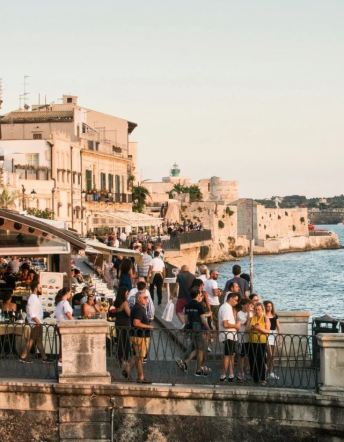 A passeggiata, or evening walk, around the perimeter of Ortigia reveals many notable structures and stories. Start from the Parco Letterario Elio Vittorini, on the eastern side, and head clockwise. As waves crash against the rocks below the sea wall, you’ll pass crenelated lookout points and the chiseled facade of the 17th-century Chiesa dello Spirito Santo, before finding yourself in the palm-planted gardens of the 13th-century Castello Maniace.
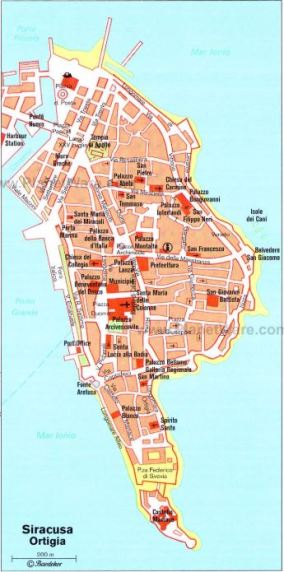 Ithe southeastern Sicilian city that Cicero called “the greatest and most beautiful of all Grecian cities” achieved a size and status in the ancient world that made it a rival of major powers like Athens and Carthage. Takeovers and makeovers by Romans, Byzantines, North Africans, Normans and others left their marks as well, influencing everything from religious art to the region’s distinctive savory-sweet-sour cooking style. Much of the ancient city has crumbled since Cicero’s day, though the ruins can still be explored in Syracuse’s celebrated archaeological park and museum. But the main attraction today is the historical center of Syracuse: Ortigia island, a maze of narrow streets, ornate Baroque churches and centuries-old palazzi.

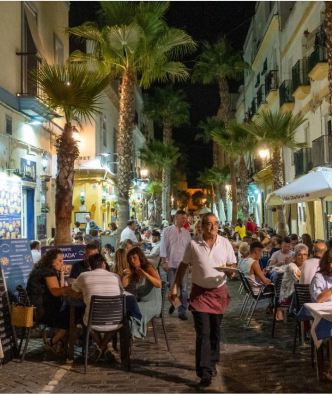 One of the reasons the province of Cádiz is on this year’s 52 Places list is food, as chefs in the area are innovating with pork and fish, the base ingredients here. I tried out a few of the white-tablecloth joints, but came away remembering the noisy, cheap tapas bars that have been around forever.
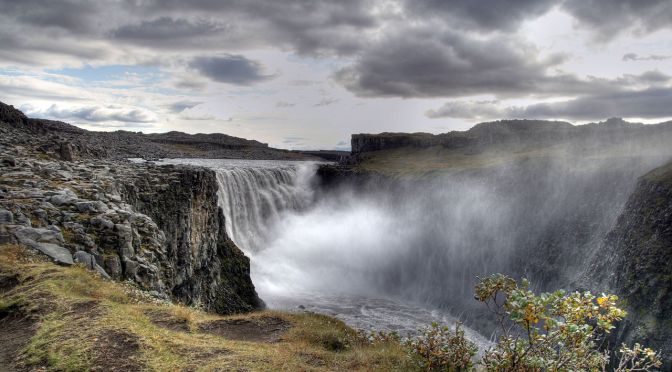
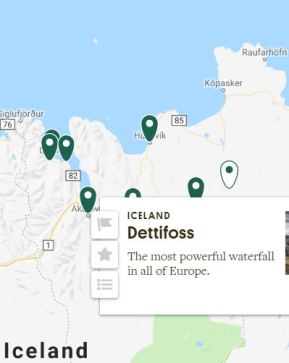 Having earned the superlative of “most powerful waterfall in Europe” because of its massive flow rate (3,059,112 U.S. gallons per minute), standing near this unfettered display of power will give you a healthy respect for the fury of nature.
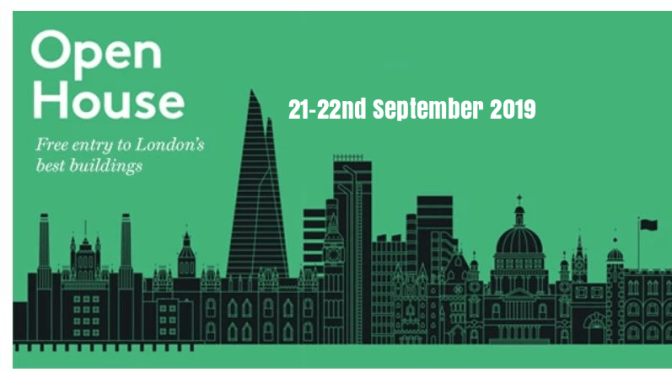
 Running the course of a weekend, from Saturday 21st to Sunday 22nd September,
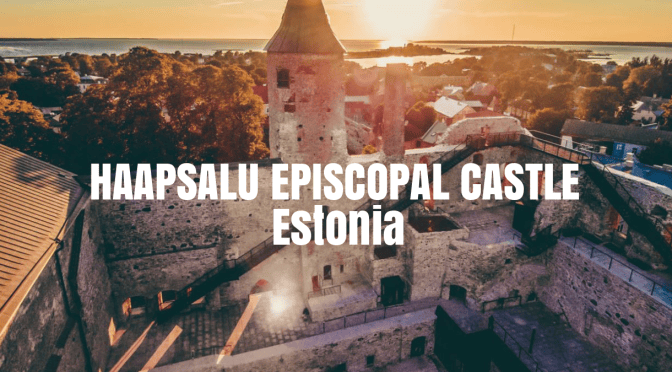
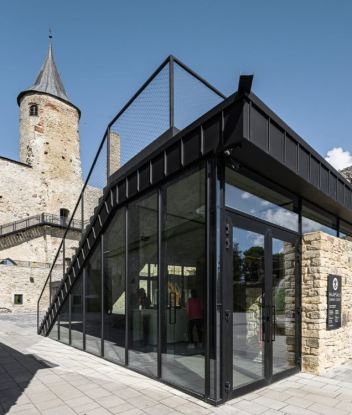 the long and colourful history of haapsalu episcopal castle began when it was built in the 13th century, but since the 17th century the main castle has been in ruins.
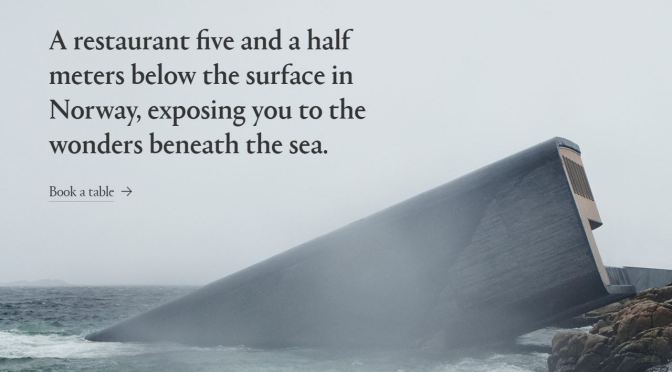
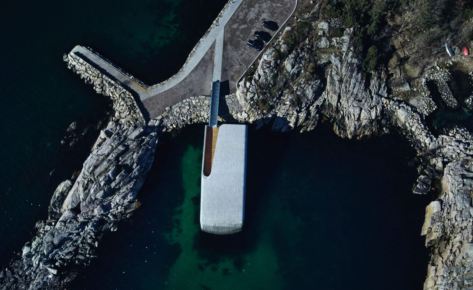
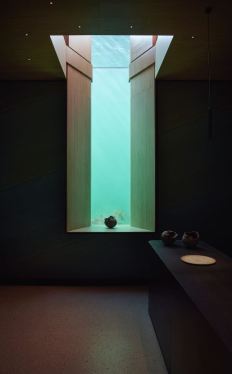 “Under,” which opened in March, is