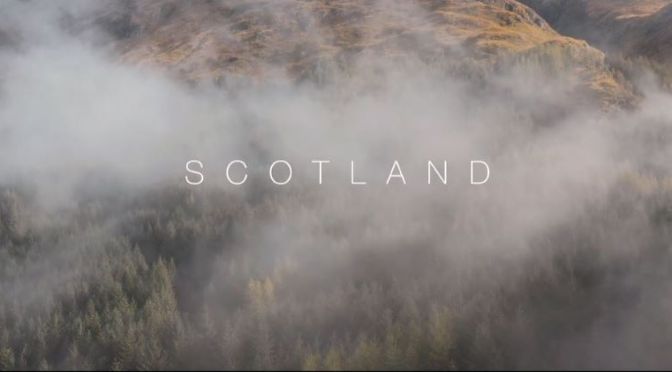
Scotland is a country that is part of the United Kingdom. Covering the northern third of the island of Great Britain, mainland Scotland has a 96-mile (154 km) border with England to the southeast and is otherwise surrounded by the Atlantic Ocean to the north and west, the North Sea to the northeast and the Irish Sea to the south. In addition, Scotland includes more than 790 islands; principally within the Northern Isles and the Hebrides archipelagos.
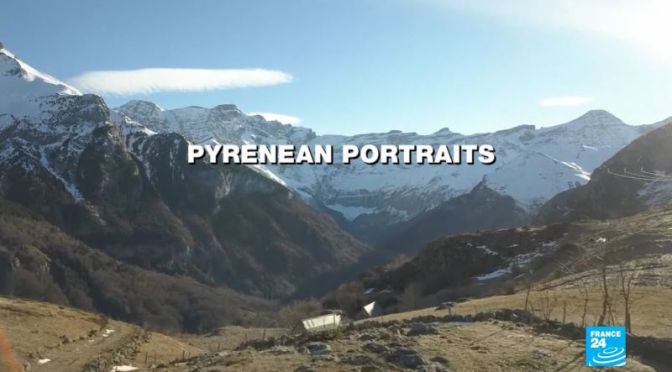
Surrounded by 16 peaks, the cirque de Gavarnie is a must-see for lovers of hiking. Listed as a UNESCO World Heritage site, it’s one of the natural wonders of France’s Pyrenees. Philippe loves these mountains and spends all his time here. He appreciates the peace and quiet that nature offers. Philippe is also the manager of one of the region’s hostels, where he welcomes passing hikers. Next door, we meet farmer Pascal and his flock of sheep.
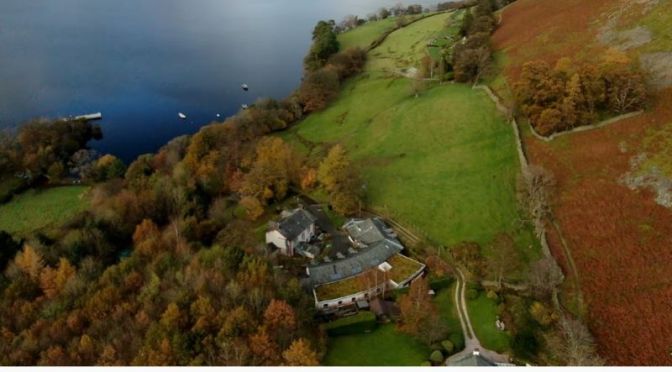
Howtown is a hamlet in Cumbria, England, situated at a small harbour on the east shore of Ullswater in the Lake District. It lies within the civil parish of Martindale.
Howtown is about three and a half miles from Pooley Bridge and is best reached by water. The Ullswater ‘Steamers’ regularly stop there on their way from Glenridding at the southern end of Ullswater to Pooley Bridge at the northern end of the lake.
The name Howtown means “farmstead on the hill”. The place name is from the Old Norse word haugr, meaning “hill” or “mound”, and the Old English word tün, meaning “town”. It contains the Howtown Hotel. Howtown was founded by the How (or Howe) family.
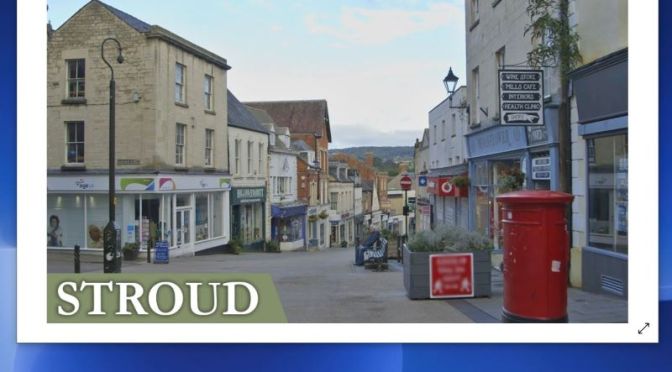
Stroud is a market town on the western side of the Cotswolds in Gloucestershire, England. It is the meeting point for the surrounding five valleys and is renowned both for its steep streets and highly political culture. It was heavily involved in the industrial revolution and produced cloth, powered by small rivers which flow through the five valleys. Although not often considered a classic Cotswold town, it is well worth a visit.
Pamukkale – Imagine a glorious spectacle of white terraces made of sedimentary rocks. There are pools on the white terraces. That’s Pamukkale, a UNESCO World Heritage Site and a popular tourist attraction in Turkey. Pamukkale, Turkish for “cotton castle,” is a surreal natural landscape located in southwestern Turkey. The pools on the white terraces have high mineral content, and people have bathed in them for thousands of years. Also, expect to find hot springs and limestone walls in Pamukkale.
Blue Mosque – The Blue Mosque sports six minarets and majestic architecture. Situated in Istanbul and built in the 1600s, this historic Turkish attraction and place of worship entreats with an opulent interior lined with thousands and thousands of blue tiles that are adorned by various patterns. Find the mihrab, the central element in the mosque. It is a beautifully carved marble with a stalactite recess.
The Church of Saint-Sulpice is a Roman Catholic church in Paris, France, on the east side of Place Saint-Sulpice, in the Latin Quarter of the 6th arrondissement. It is only slightly smaller than Notre-Dame and thus the second largest church in the city. It is dedicated to Sulpitius the Pious.
Saint-Germain-des-Prés is one of the four administrative quarters of the 6th arrondissement of Paris, France, located around the church of the former Abbey of Saint-Germain-des-Prés.
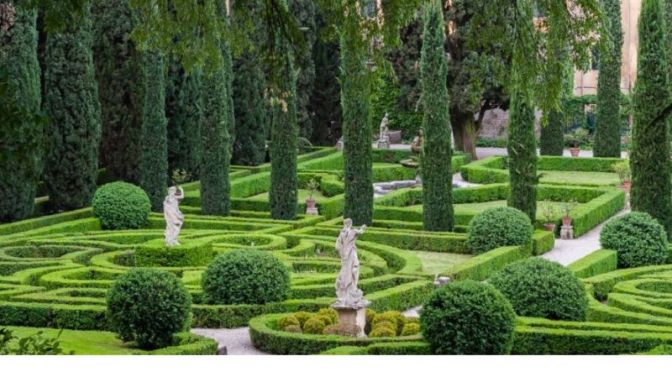
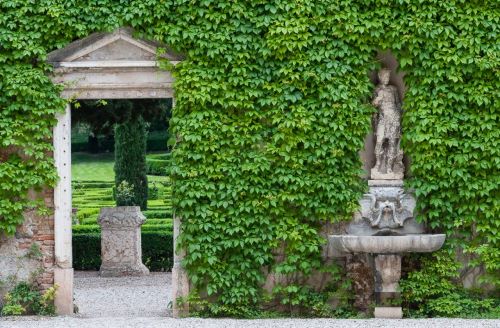
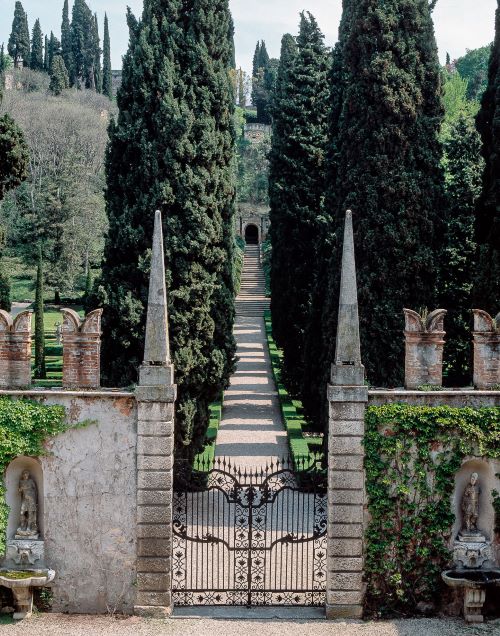
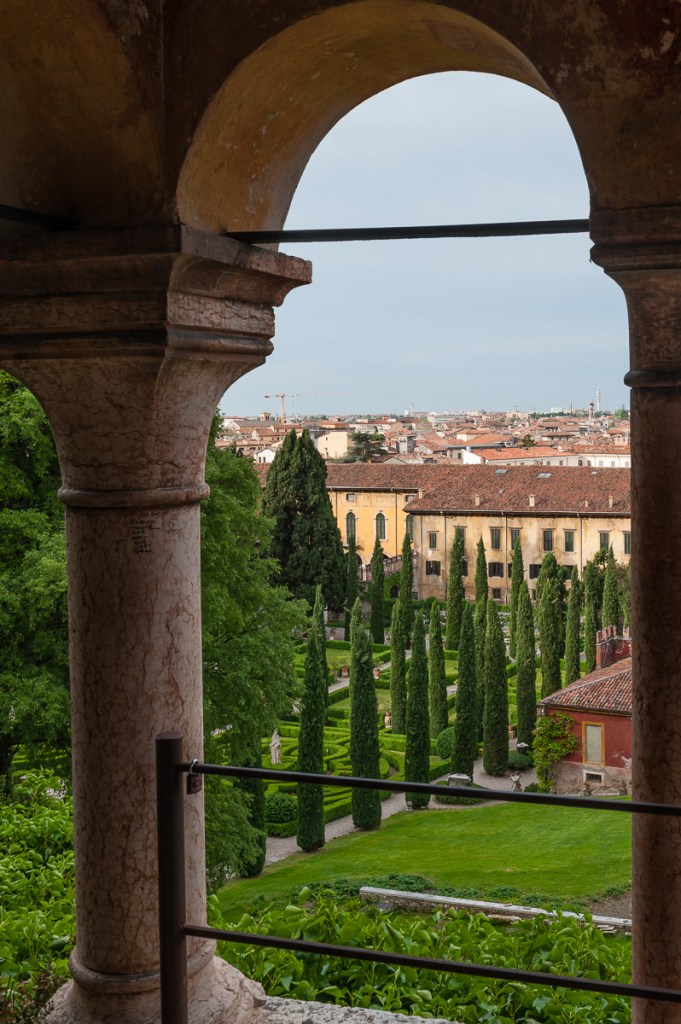
Giardino Giusti in Verona and Villa Fracanzan Piovene: The centuries-old Italian gardens that evoke the romance of Romeo and Juliet.
November 7, 2020
The name Giusti has been synonymous with one of Italy’s most celebrated Renaissance gardens since the late 16th century. Originally wool-dyers from Prato in Tuscany, the Giusti family had moved its business north in the previous century, settling in an unglamorous industrial suburb of Verona. Within a few generations, its members were rich and had also acquired the requisite antiquarian and artistic tastes of true Renaissance gentlefolk.
The garden created by Agostino Giusti between 1565 and 1580 was intended to fulfil various functions. It had to showcase his collection of Roman inscriptions and to serve as a setting for the lavish theatrical and musical productions—the predecessors of opera—then in vogue. To this day, the garden retains the surprise element of a stage set, presenting a magnificent and entertaining spectacle that totally confounds one’s expectations of a city garden.
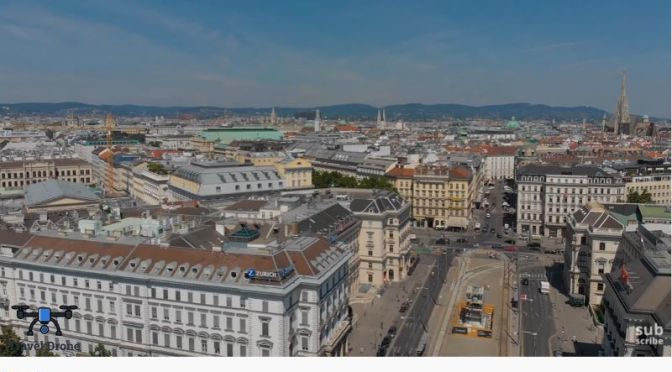
Vienna, Austria’s capital, lies in the country’s east on the Danube River. Its artistic and intellectual legacy was shaped by residents including Mozart, Beethoven and Sigmund Freud. The city is also known for its Imperial palaces, including Schönbrunn, the Habsburgs’ summer residence. In the MuseumsQuartier district, historic and contemporary buildings display works by Egon Schiele, Gustav Klimt and other artists.
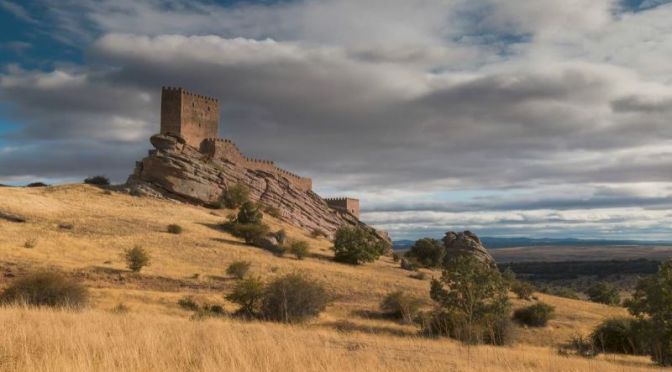
Spain’s turbulent history has resulted in a multitude of hilltop fortresses ranging from extravagant fairytale-like palatial palaces to oppressive military fortresses and, of course, the architectural delights of the Moorish Alcazars.
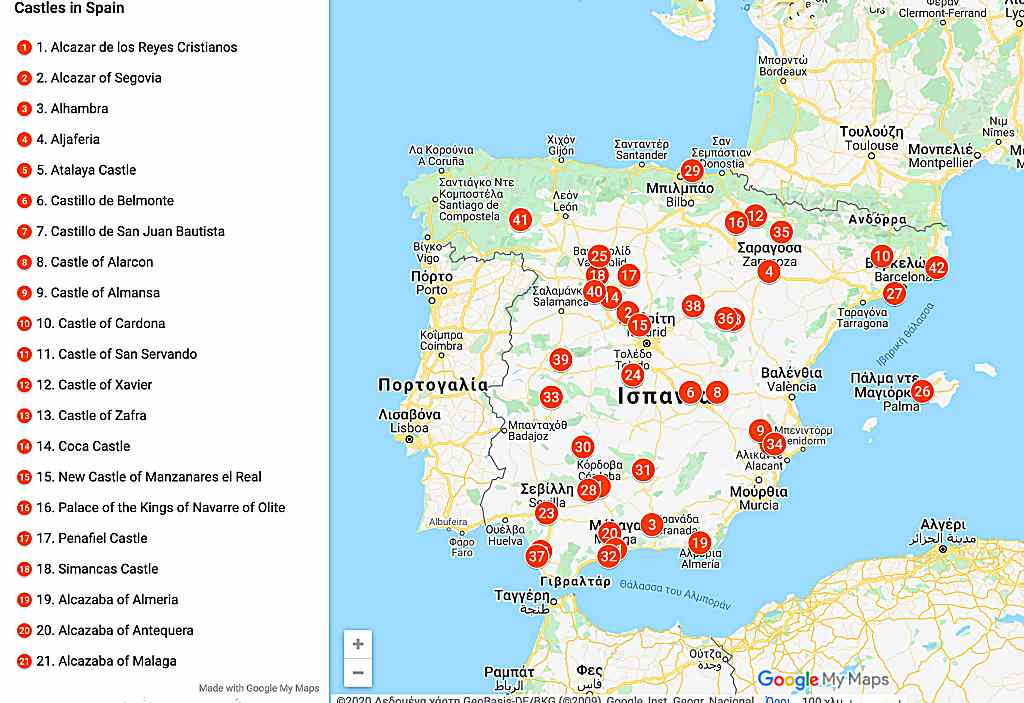
With roughly 2,500 castles to explore, whether they stand in near-perfect preservation or are now just atmospheric ruins, here are some of the best castles in Spain that you must see.
The land that is now Portugal has been inhabited for thousands of years and its national boundaries have been defined for eight centuries. This long history is reflected in a particular culture that is the result of the mixture of the many peoples who settled here and those that the Portuguese encountered on their journeys of Discovery.
It is found in the villages and towns, in the monuments and traditions, which bring together influences that the Portuguese have applied creatively. And the omnipresent sea has also shaped our personality and taken us beyond the continent of Europe, enabling us to learn and share with the rest of the world.