

From a Wall Street Journal online article:
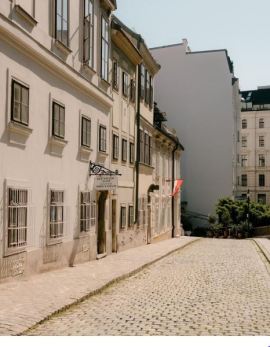 Beethoven moved nearly 70 times while living in Vienna. Two of his former homes are open to the public, and many more are marked with commemorative plaques.
High above Vienna’s historic center, at the edge of the hilly Vienna Woods, the city’s Beethoven Museum, is housed in a onetime bakery complex dating back to the late Middle Ages, with an 18th-century annex containing a small apartment where Beethoven spent the summer of 1802. While living here, he composed his tragic “Tempest” piano sonata and began work on his 3rd Symphony, the “Eroica.”

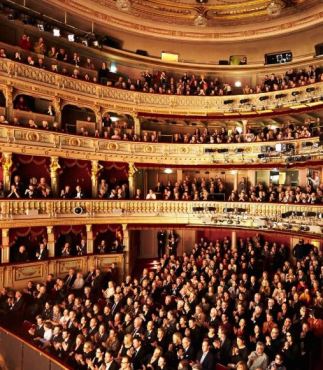 LUDWIG VAN BEETHOVEN is as Viennese as apple strudel. Though born in Bonn, Germany in 1770, he moved to the Austrian capital when he was in his early 20s, and then spent the rest of his 56 years changing the course of Western music from the city on the Danube. A quirky, cantankerous celebrity in his own time, he premiered his groundbreaking symphonies and concertos in Vienna’s grand palaces, escaped the summer heat in what are now its sleepy suburbs, and moved around between dozens of supposedly squalid apartments that sprawl across much of the city.
To read more: https://www.wsj.com/articles/where-to-binge-on-beethoven-in-vienna-11568303745

 The



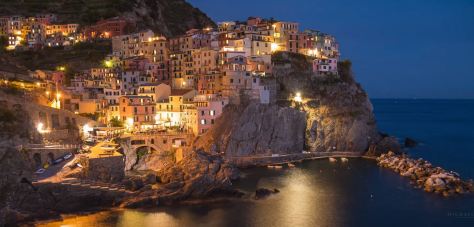

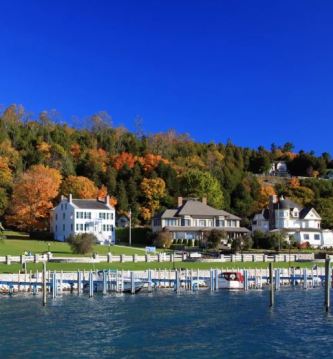 There are over 140 miles of trails and roads leading to great views on Mackinac Island. Stop by the Visitor’s Center to buy a map of the trails, significant points of interest and self-tours. Or visit a rental bike shop for a map, (though these have less detail). One of the most popular trails is the 8.2-mile road along the island’s perimeter. Typically there are bikers along this trail, but plenty of pedestrians also use it to see the beautiful shorelines. The road is not very hilly but it is long, so take your time to enjoy the views and be sure to stop occasionally to read about the history of the island. If you’d like to get deeper inland, there are several trails that lead to great views of the changing reds, yellows, and oranges as well as vantage points to see the beautiful shorelines. Stay aware of bikers and horses and be sure to stop at Sugar Loaf,
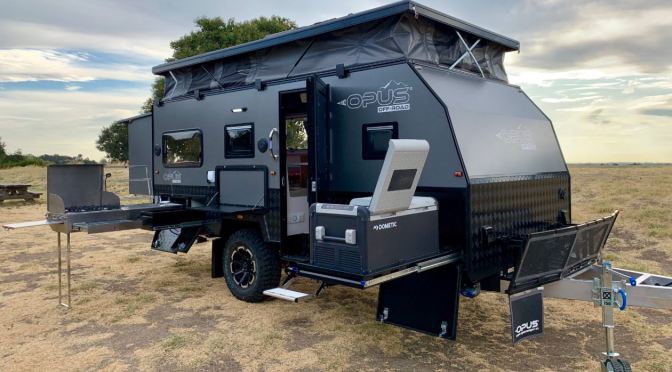
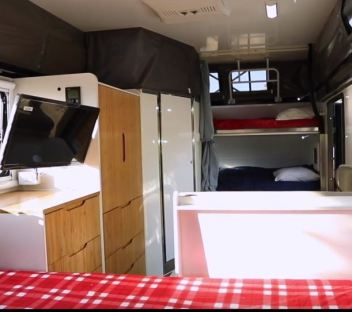 The trailer is set up for families thanks to a king-size bed on one side and twin bunk beds on the other. A full bathroom boasts a shower, sink, and chemical toilet, and bamboo shelving allows for plenty of storage space. A leatherette dining area provides a place to sit inside, and on-demand hot water, a heater, and built-in air conditioning come standard.

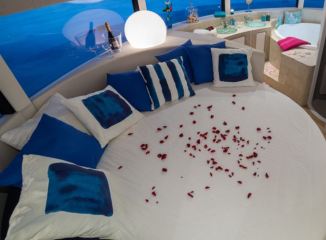 The domed capsule is the brainchild of naval architect Jean-Michel Ducancelle, who was
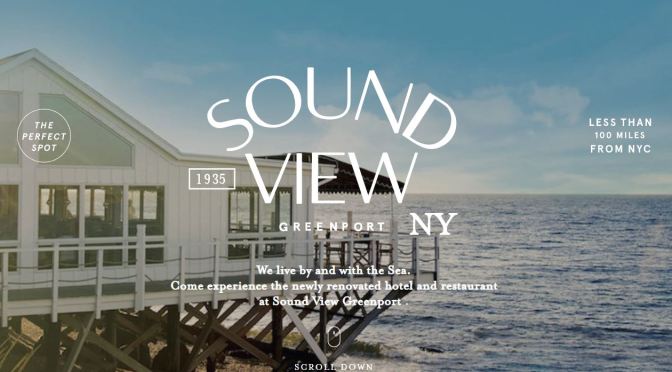
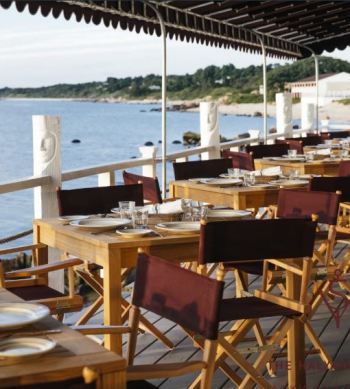 Immediately upon checking into one of the Sound View’s cedar-paneled rooms, all clean white sheets and sailcloth pillows and views straight out onto the beach (ALL of the rooms at the Sound View look straight out onto the beach), I felt my blood pressure slow. For lunch, we jammed lobster rolls the size of our faces into our faces by the pool. Come late afternoon, we sat on our sandswept porch drinking canned rosé and watched the sky turn gold.


 For dinner at
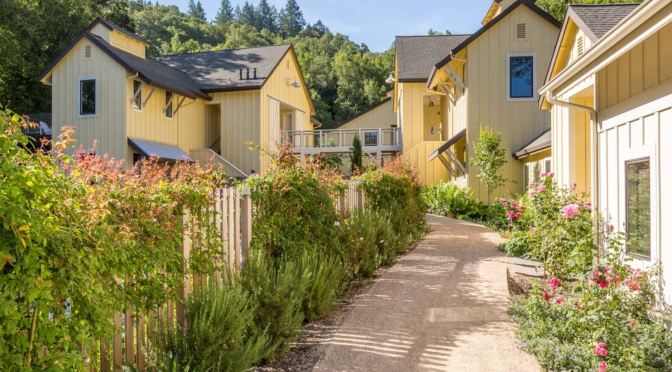
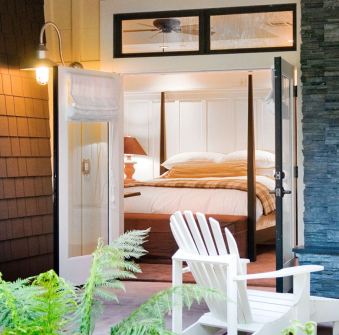 Despite the overwhelming presence of boutique inns along the Atlantic, they’re not a strictly East Coast commodity. Case in point: Sonoma’s Farmhouse Inn.
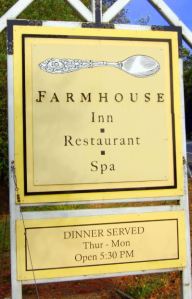 Beyond its aesthetically-pleasing interiors, the inn also knows a thing or two about food—starting with a nightly turndown service that includes homemade cookies and milk, and ending with the

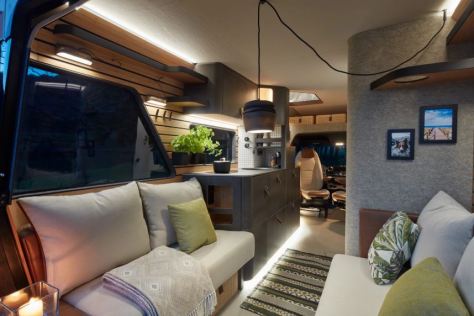
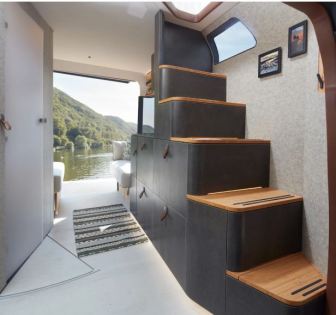 This year at Düsseldorf, the Erwin Hymer Group debuted the

 On “Travel Man,” Ayoade is fun to look at (snappy suits, thick-framed glasses, expression of amused diffidence) and fun to listen to. (Of a monastery turned hotel in Naples, he says, “As well as modish guff, like a rooftop pool and a spa, it retains attractive old shiz, like staircases dug into the hillside.”) His persona is warmly amused, broadly skeptical, and gently astringent—i.e., British. He’s not a joiner. His intros conclude with him saying, in that episode’s particular city and with that episode’s particular guest, “We’re here, but should we have come?”

