
 Listen to the latest science updates, with Benjamin Thompson and Shamini Bundell. This week, insights into the evolution of walking upright, how science needs to change in the next 150 years, and the remaining hurdles for vaccination.
In this episode:
00:50 Early ape locomotion
The discovery of a fossil of a new species of ape gives new insights on how bipedalism may have evolved. Research Article: Böhme et al.; News and Views: Fossil ape hints at how walking on two feet evolved; News: Fossil ape offers clues to evolution of walking on two feet
07:24 Research Highlights
Women lacking olfactory bulbs can somehow still smell, and telling whiskies apart through evaporation patterns. Research Highlight: The women who lack an odour-related brain area — and can still smell a rose; Research Highlight: Bourbon or Scotch? A droplet’s dynamics reveal the truth
09:44 How should science evolve?
This year is Nature’s 150th anniversary. Science has made huge strides during this time, but what needs to change to continue this progress for the next 150 years? Comment: Science must move with the times
17:52 The state of vaccination in 2019
Researchers assess the differences in immunization levels worldwide and identify the bottlenecks in developing new vaccines. Research article: Piot et al.
23:54 News Chat
An AI figures out the sun’s place in the Solar System, and reassessing the size of the proton. News article: AI Copernicus: Neural network ‘discovers’ that Earth orbits the Sun; News: Puzzle over size of proton leaps closer to resolution
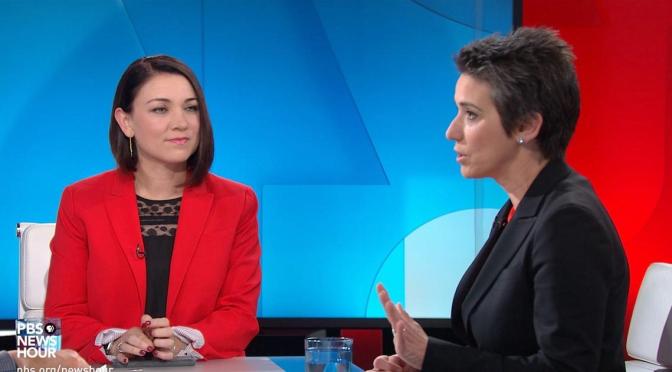
 NPR’s Tamara Keith and Amy Walter of the Cook Political Report join Amna Nawaz to discuss the latest political news, including the release of transcripts from the impeachment inquiry, what three upcoming gubernatorial races say about President Trump’s support, early polling in key 2020 battleground states and the waning distinction between local and national politics.
 One hundred years ago this month, you opened the shutters of a small bookshop on rue Dupuytren. Its name was Shakespeare and Company. I often wonder if, on that first morning, you could ever have imagined how important your story would be.

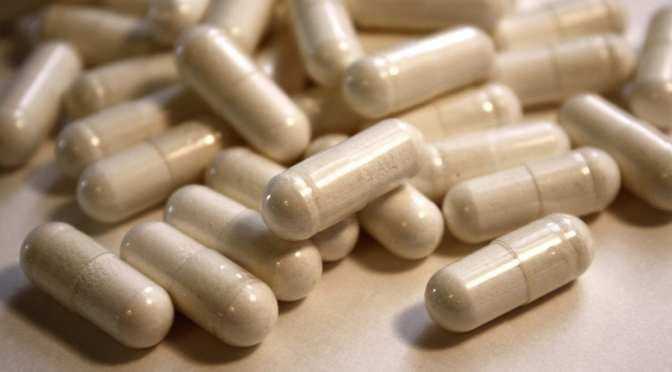
 “This is the fourth time in the last two years we’ve had to activate our hospital’s emergency operations plan for a major drug shortage,” Dr. Biddinger told NBC News. “It’s almost unfathomable in modern medicine. I never thought we would get to a point in the U.S. healthcare system where we wouldn’t have essential medicines to be able to treat patients.”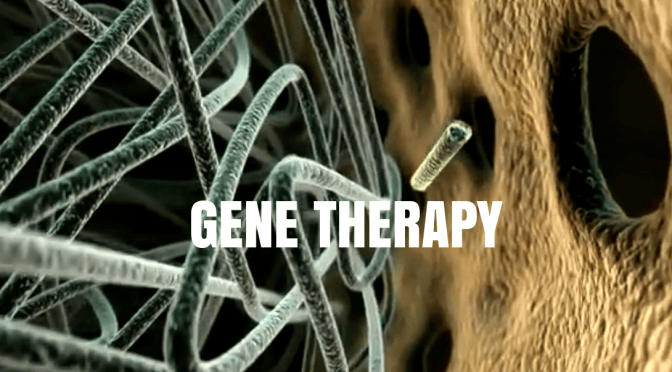
 “The results we saw were stunning and suggest that holistically addressing aging via gene therapy could be more effective than the piecemeal approach that currently exists,” said first author Noah Davidsohn, a former research scientist at the Wyss Institute and HMS who is now chief technology officer of Rejuvenate Bio. “Everyone wants to stay as healthy as possible for as long as possible, and this study is a first step toward reducing the suffering caused by debilitating diseases.”
 “Another behavior change is physical exercise,” Pillemer said. “A paradox of pain is that exercise helps reduce it, but it’s difficult for people in pain to think about exercising. So they don’t exercise, they get more sedentary and the pain increases; it’s a vicious circle. So how do you get people to actually change their behavior?”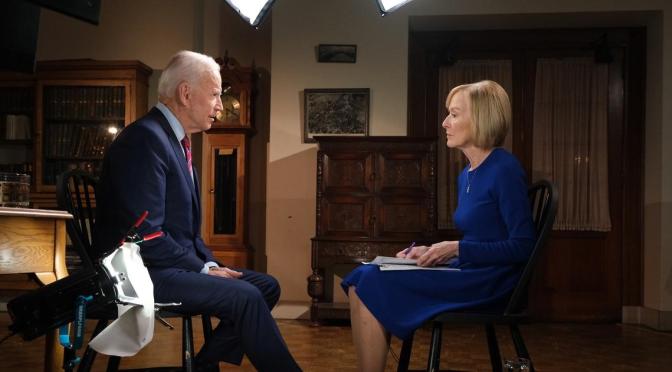
 In his third bid for the presidency, former Vice President Joe Biden has long been considered a 2020 Democratic frontrunner. But recent polls show him losing ground to Sens. Bernie Sanders and Elizabeth Warren — especially in Iowa. Judy Woodruff joined Biden on the campaign trail to discuss the impeachment inquiry, primary poll numbers, his age, the U.S. economy, health care and more.
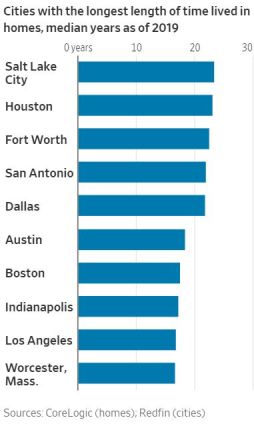 Economists say aging baby boomers are the biggest culprits because many are staying healthier later in life and choosing not to downsize. Some look around at the lack of smaller, less expensive homes and are loath to get into bidding wars with their children’s generation to get one.
 Measles is a dangerous infection that can kill. As many as 100,000 people die from the disease each year. For those who survive infection, the virus leaves a lasting mark—it appears to wipe out the immune system’s memory. News Intern Eva Fredrick joins host Sarah Crespi to talk about a pair of studies that looked at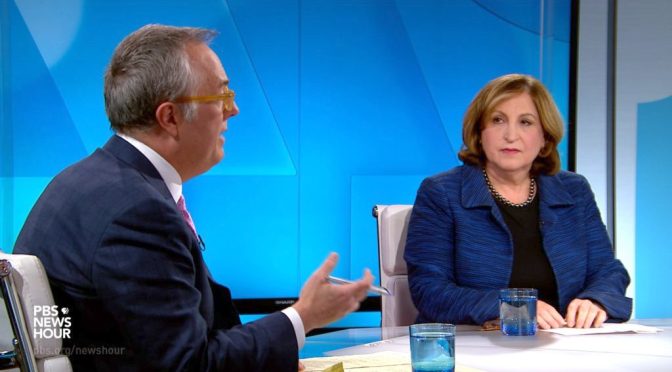
 Washington Post columnist Ruth Marcus and syndicated columnist Michael Gerson join Amna Nawaz to analyze the week’s political news, including details emerging from witness depositions in the impeachment inquiry about President Trump’s dealings with Ukraine, current public opinion on Trump and impeachment and 2020 campaign updates, including the withdrawal of Democrat Beto O’Rourke.
 Intellicurious