Syndicated columnist Mark Shields and New York Times columnist David Brooks join Judy Woodruff to discuss the latest political news, including major Supreme Court decisions on LGBTQ employment protections and DACA, the claims from John Bolton’s new book about President Trump’s interactions with foreign leaders and whether Joe Biden will pick a woman of color as his running mate.
Senior Correspondent Jeffrey Mervis joins host Sarah Crespi to talk about how universities are dealing with the financial crunch brought on by the coronavirus. Jeff discusses how big research universities are balancing their budgets as federal grants continue to flow, but endowments are down and so is the promise of state funding.
Mosquito-borne infections like Zika, dengue, malaria, and chikungunya cause millions of deaths each year. Nicole Culbert and colleges write this week in Science Robotics about a new way to deal with deadly mosquitoes—using drones. The drones are designed to drop hundreds of thousands of sterile male mosquitoes in areas with high risk of mosquito-borne illness. The idea is that sterile male mosquitoes will mate with females and the females then lay infertile eggs, which causes the population to decline. They found this drone-based approach is cheaper and more efficient than other methods of releasing sterile mosquitoes and does not have the problems associated with pesticide-based eradication efforts such as resistance and off-target effects.
This week, researchers make diamonds tough, and evidence of incest in a 5,000 year old tomb.
In this episode:
00:51 Tough versus hard
Diamonds are famed for their hardness, but they are not so resistant to fracture. Now, researchers have toughened up diamonds, which could open up new industrial applications. Research Article: Yue et al.
NPR’s Tamara Keith and Amy Walter of the Cook Political Report join Judy Woodruff to discuss the latest political news, including pressure on President Trump to respond to nationwide protests over American police violence, the public health concerns and political implications of Trump’s upcoming Tulsa rally and whether presumptive Democratic nominee Joe Biden is suffering for lack of publicity.
An instrument on the International Space Station is providing new insights into some of the Universe’s most baffling objects. Neutron stars have puzzled scientists for decades. It’s known that these ultra-dense objects are born from the remnants of supernovae, yet what’s under their surface, and what processes that go on within them, remain a mystery.
Now, an instrument called the Neutron Star Interior Composition Explorer is providing new information to help answer these questions, ushering in a new era of research into these strange stars.
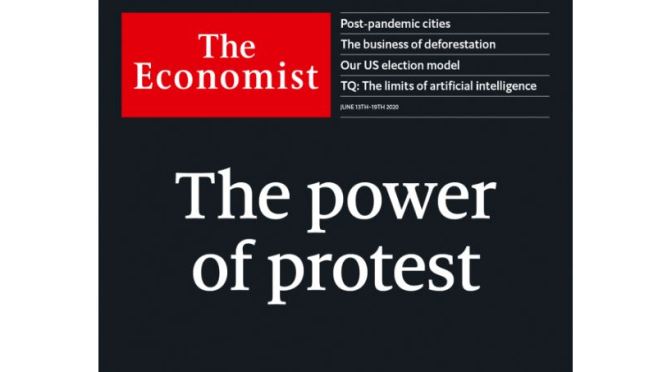
A selection of three essential articles read aloud from the latest issue of The Economist. This week, the power of protest and the legacy of George Floyd; (11:07) life in great cities after the pandemic; (17:55) and the lessons from one hundred Bartleby columns on work and management.
Syndicated columnist Mark Shields and New York Times columnist David Brooks join Judy Woodruff to discuss the latest news, including the impact of widespread protests on American society and politics, what makes members of Generation-Z different from their predecessors and how the movement for racial equity is affecting President Trump’s reelection campaign strategy.
Staff Writer Kelly Servick joins host Sarah Crespi to talk about the ins and outs of coronavirus contact tracing apps—what they do, how they work, and how to calculate whether they are crushing the curve.
Edward Gregr, a postdoctoral fellow at the Institute for Resources, Environment, and Sustainability at the University of British Columbia, Vancouver, talks with Sarah about the controversial reintroduction of sea otters to the Northern Pacific Ocean—their home for centuries, before the fur trade nearly wiped out the apex predator in the late 1800s. Gregr brings a unique cost-benefit perspective to his analysis, and finds many trade-offs with economic implications for fisheries For example, sea otters eat shellfish like urchins and crabs, depressing the shellfishing industry; but their diet encourages the growth of kelp forests, which in turn provide a habitat for economically important finfish, like salmon and rockfish.


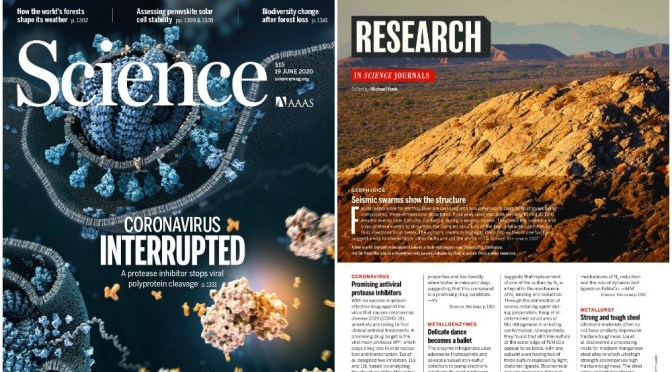
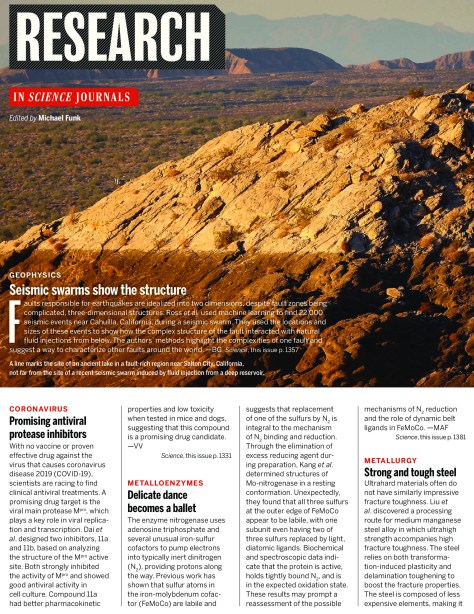
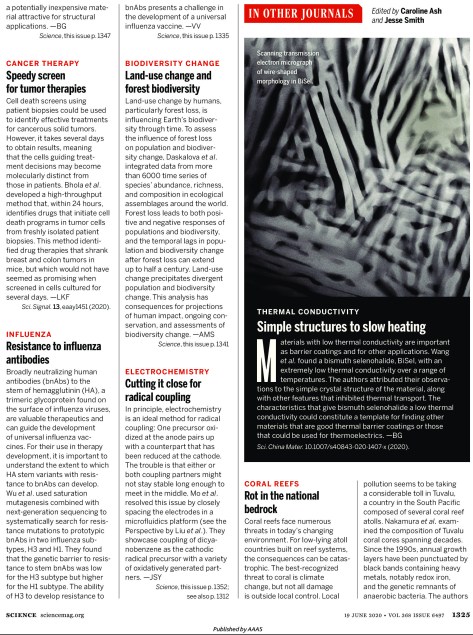

 Senior Correspondent Jeffrey Mervis joins host Sarah Crespi to talk about how universities are dealing with the financial crunch brought on by the coronavirus. Jeff discusses how big research universities are balancing their budgets as federal grants continue to flow, but endowments are down and so is the promise of state funding.
 This week, researchers make diamonds tough, and evidence of incest in a 5,000 year old tomb.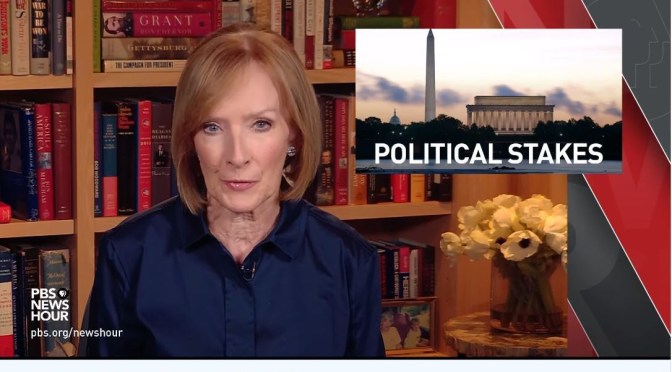
 A selection of three essential articles read aloud from the latest issue of The Economist. This week, the
 Staff Writer Kelly Servick joins host Sarah Crespi to talk about the ins and outs of coronavirus contact tracing apps—what they do, how they work, and how to calculate whether they are crushing the curve.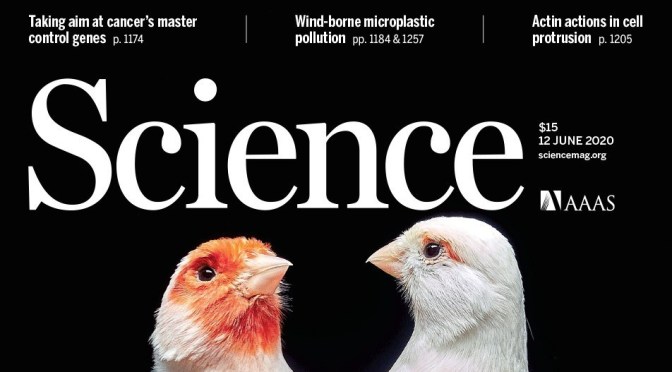
 Intellicurious