A.M. Edition for May 24. WSJ’s Vanessa Fuhrmans on how some bosses still aren’t sure remote workers are as committed as employees at the office.
The trial of Apple and ‘Fortnite’ creator Epic Games nears an end. After paying off credit card debt, borrowers wonder what to pay off next. Peter Granitz hosts.
Tyler Brûlé, Andrew Tuck, Benno Zogg and Gillian Dobias on the weekend’s biggest discussion topics. Plus: a Eurovision debrief from Monocle 24’s Fernando Augusto Pacheco.
Georgina Godwin sets the tone for the weekend. A look at the day’s newspapers; editor of London’s ‘The Evening Standard’ Emily Sheffield on The Stories festival due to take place in September; plus: a visit to the German pavilion at the Venice Biennale.
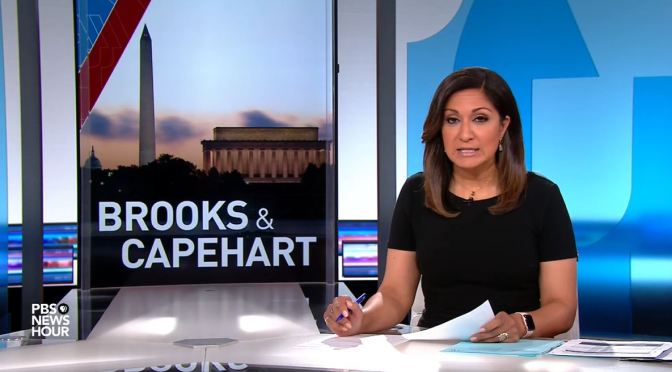
New York Times columnist David Brooks and Washington Post columnist Jonathan Capehart join Amna Nawaz to discuss the week in politics, including cease-fire in the Middle East and the Senate’s chances of establishing a commission to look into the Jan. 6 insurrection.
After 11 days of fierce fighting, Israel and Hamas agreed to a ceasefire beginning in the early hours of Friday morning. But will the quiet last? In July, China’s Communist Party will mark the 100th anniversary of its victory in the revolution that brought it to power.
But it’s not easy for a dictatorship to celebrate a revolt. And, we look back at the life of Asfaw Yemiru, an Ethiopian educator who transformed the lives of more than 120,000 children.
May 20, 2021: Israel and Gaza, House approves Capitol probe, Abortion in Texas, U.S travel changes, and South China Sea
1. Diplomatic moves towards a ceasefire in the Israeli-Palestinian conflict gathered pace after President Joe Biden called for a de-escalation.
2. The U.S. House of Representatives voted to create an independent commission to probe the deadly Jan. 6 attack on the Capitol by former President Donald Trump’s supporters. One in six Republicans defied party leaders’ attempts to block it.
3. Republican Texas Governor Greg Abbott signed into law a ‘fetal heartbeat’ abortion bill that bans the procedure after about six weeks of pregnancy and grants citizens the right to sue doctors who perform abortions past that point.
4. The Biden administration weighs changes to sweeping travel restrictions that bar much of the world’s population from coming to the United States.
5. China said a U.S. warship illegally entered its territorial waters in the South China Sea and was expelled by its forces, an assertion the United States denies.
The Tokyo Olympics are due to begin in just over two months. But with coronavirus cases climbing in recent months, 80% of Japanese people want the games to be cancelled.
The navigation signals sent by satellites like America’s GPS constellation are surprisingly weak. What happens when they’re jammed—or tricked? And in America cicadas have emerged from their underground redoubts for the first time in 17 years, for a frenzied few weeks of mating. How do you study a species that emerges fewer than six times in a century?
Italy’s prime minister, Mario Draghi, has been cheered by the markets since taking on the job in February. But a coalition of right-wing populists are waiting in the wings should he falter. Mexico’s army hasn’t ruled the country since the 1940s.
But the generals are now running everything from building sites to the border. And even during a pandemic, British medical students are struggling to get their hands on suitable corpses.
The International Energy Agency has published a report explaining what needs to happen if the world is to get to net zero emissions by 2050. It points to a transition away from fossil fuels on an epic scale.
Today Somaliland celebrates its 30th anniversary. It has been a quiet success story in a sea of instability. But what it craves is international recognition as a state. And soaring share prices are normally cause for cheer—unless your computers can’t keep up.
News, Views and Reviews For The Intellectually Curious