Category Archives: Health

Future Of Health Care: New Machine Learning System Detects Infections 48 Hours In Advance

From a Health IT Analytics online release:

Philips Machine Learning SystemThe prototype revealed that using artificial intelligence and machine learning to examine certain combinations of vital signs and other biomarkers could strongly predict the likelihood of infection up to 48 hours in advance of clinical suspicion, including observable symptoms.

Royal Philips, in collaboration with the Defense Threat Reduction Agency (DTRA) and Defense Innovation Unit (DIU) of the US Department of Defense (DoD), are building a machine learning algorithm that will be able to detect an infection before a patient shows signs or symptoms.

The partnering organizations recently announced results from an 18-month project, called Rapid Analysis of Threat Exposure (RATE), the first large-scale exploration of pre-symptomatic infection in humans. The project aims to develop an early warning system that accelerates diagnosis and treatment of infection, containing the spread of communicable disease.

To read more: https://healthitanalytics.com/news/philips-dod-build-machine-learning-system-to-detect-infection

Drug Reviews: Top Ten Antiobiotics Used For Patients In Hospital ER’s

From a Becker’s Hospital Review online release:

Ceftriaxone and azithromycin are the top two most commonly administered antibiotics in U.S. emergency rooms for patients who are not admitted to the hospital, according to a study published in the American Journal of Health-System Pharmacy.

American Journal of Health System PharmacyThe top 10 most commonly administered antibiotics in the ER for nonadmitted patients were:


• ceftriaxone: 30.6 percent
• azithromycin: 10.8 percent
• clindamycin: 6.6 percent
• levofloxacin: 5.8 percent
• cephalexin: 5.3 percent
• metronidazole: 4.5 percent
• sulfamethoxazole-trimethoprim: 4.2 percent
• ciprofloxacin: 3.9 percent
• amoxicillin: 3.8 percent
• penicillin: 3.3 percent

The researchers also found that most common emergency room diagnoses were urinary tract infections and cellulitis, and that prescribing practices generally aligned with treatment guidelines for these diagnoses.

To read more: https://www.beckershospitalreview.com/quality/10-most-common-antibiotics-administered-in-the-er.html?oly_enc_id=9129H5611090H0N

Health Studies: Exercise Found To Improve Blood Vessels For People With Heart Failure

From a Science Daily online release:

“People with heart failure cannot do everything that a healthy individual can, so the question becomes how much exercise can they handle and what type of impact will it have on their health,” Emter said. “We found that regardless of intensity level, some type of physical activity was good for heart health compared to no exercise at all.”

Artery Stiffness

Now, research from the University of Missouri has found exercise can improve the health of blood vessels in the heart for people with heart failure. The finding is based on a study looking at swine, which have very similar blood vessels and heart muscles — both structurally and functionally — as humans.

To read more: https://www.sciencedaily.com/releases/2019/10/191022174402.htm

Health Podcasts: Stable Blood Sugar Can Lower Alzheimer’s Risk (NPR)

NPR Health News“The risk for dementia is elevated about twofold in people who have diabetes or metabolic syndrome (a group of risk factors that often precedes diabetes),” Holtzman says. 

…poor sleep is a known risk factor for Alzheimer’s. So maintaining normal blood sugar levels in Alzheimer’s patients could improve their sleep and might even slow down the disease, she says.

Health Care Costs: Top 5 Highest Paid Physician Specialties (PayScale.com)

From a Becker’s Spine online article:

PayScale LogoPayScale reports real-time salary data from over 54 million reports from job seekers, fact checking the data against private and public compensation data.

Here’s how average pay ranges for five physician specialties stack up:

1. Neurosurgeon: $401,499

2. Cardiothoracic surgeon: $387,451

3. Invasive cardiologist: $382,361

4. Orthopedic surgeon: $375,091

5. Gastroenterologist: $309,604

To read more: https://www.beckersspine.com/spine/item/47223-5-highest-paying-physician-specialties-neurosurgeon-no-1-at-401k.html?oly_enc_id=9129H5611090H0N


Health: Asymptomatic Bacteriuria Diagnosis In Older Patients Should Not Require Antibiotics

From a New York Times online article:

Asymtomatic Bacteriuria DefinitionAt Dr. Soong’s hospital, withholding the results of urine cultures, unless doctors actually called the microbiology lab to request them, reduced prescriptions for asymptomatic bacteriuria to 12 percent from 48 percent of non-catheterized patients, with no loss of safety.

“The extra step of having the clinician call eliminated a lot of frivolous testing,” Dr. Soong said.

In patients who have none of the typical symptoms of a urinary tract infection — no painful or frequent urination, no blood in the urine, no fever or lower abdominal tenderness — lab results detecting bacteria in the urine don’t indicate infection and thus shouldn’t trigger treatment.

Older people, and nursing home residents in particular, often have urinary systems colonized by bacteria; they will have a positive urine test almost every time, but they’re not sick.

To read more: https://www.nytimes.com/2019/10/14/health/urine-tests-elderly.html

Health Care: Number Of Organ Transplant Physicians Shrinks As Demand Increases

From a StatNews.com online article:

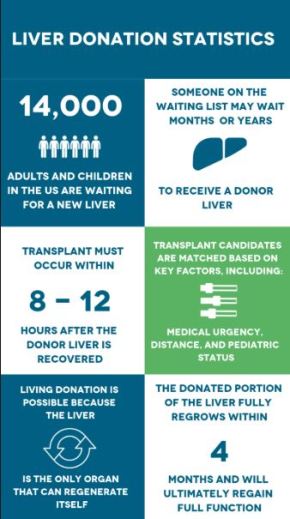
Liver Transplants & DonorsMost Americans probably aren’t aware of the decline in the number of individuals training to become transplant physicians and how it will affect the future of medicine. Neither are the 2020 presidential hopefuls, all of whom have policies they believe best provide health care coverage for Americans without acknowledging or calling attention to the fact that soon there may not be enough doctors to do the work once more people are insured. We need a plan for that.

During the 25 years I’ve been a transplant doctor, I’ve cared for hundreds of patients who received lung transplants. I’m now worried about the growing number of people who will need this lifesaving procedure in the future but who won’t have enough transplant physicians to do it.

At any given time in the U.S., about 120,000 people are waiting for the call that they’ve been matched with a donor for a new lung, heart, liver, or kidney. That number will continue to rise, but the number of doctors to take the 2 a.m. call that a donor has been found for their patient and perform the transplant is dwindling.

To read more: https://www.statnews.com/2019/10/17/transplant-physicians-number-dwindling/?utm_source=STAT+Newsletters&utm_campaign=20aba6d000-First_Opinion&utm_medium=email&utm_term=0_8cab1d7961-20aba6d000-150443417

Medical Technology: 3D Deep-Learning Systems Show Promise For Automated Detection Of Glaucoma (Lancet Audio)

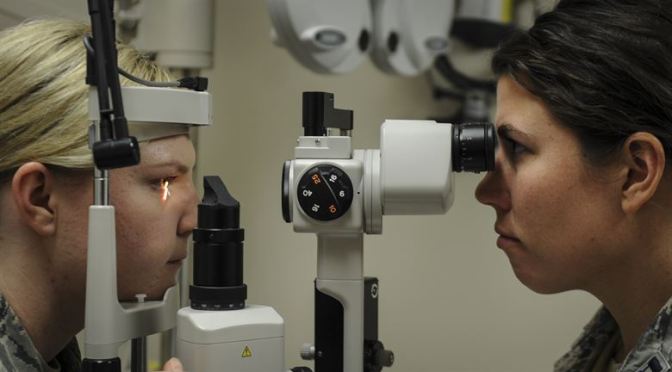
Lancet Digital HealthOur 3D deep-learning system performed well in both primary and external validations, suggesting that it could potentially be used for automated detection of glaucomatous optic neuropathy based on SDOCT volumes. Screening with the deep-learning system is much faster than conventional glaucoma screening methods (ie, by experienced specialists), can be done automatically, and does not require a large number of trained personnel on site. Further prospective studies are warranted to estimate the incremental cost-effectiveness of incorporating this artificial intelligence-based model for screening for glaucoma, both in the general population and among at-risk people.

To read more: https://www.thelancet.com/journals/landig/article/PIIS2589-7500(19)30085-8/fulltext

Health Care: Greater Use Of “Biosimilars” Could Save System $7 Billion

From a Health Care Finance News online article:

HealthCare Finance NewsBut greater use of biosimilars could create significantly more savings. If biosimilars obtained a 75 percent market share, less than the share of these medicines in many European Union nations, the resulting annual savings for the U.S. healthcare system could be nearly $7 billion, based on Winegarden’s analysis.
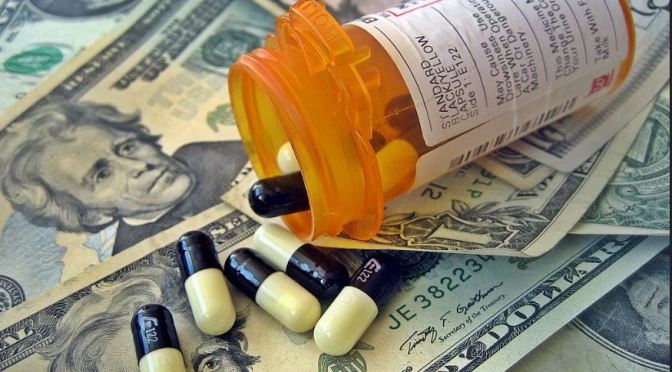

Not all drugs are created the same. Take generics and biologics: The former is a chemical-based medicine whose manufacture is easily replicated, while the latter is created using biological processes.

But there’s another key difference between those two classes of drugs, and it pertains to the financial state of the healthcare industry and to U.S. taxpayer dollars. Stated plainly, biosimilars have the opportunity to bring significant savings to state Medicaid programs and consumers with commercial insurance. That gives them a leg up over their chemical-based counterparts.

To read more: https://www.healthcarefinancenews.com/news/expanding-biosimilars-market-holds-potential-significant-savings-state-medicaid-programs?mkt_tok=eyJpIjoiTTJGbU1qTXpOVFpqTm1WbCIsInQiOiJrU3puNU4xNVB2eTBBVkpwQ3FGaWhYdDJwZEV0M1dlcFRBakNpOFZ5YVYyanpSSk9HeVZCQTBHbjY4ZktFXC82cm9JeWE3S2dUWm5HMXByYTVoOVB6SG9FaWRIWnRta2ZzZUNvN1g2WHVneVNtVEFpT1ZlZjEwWk1KbmFaXC9qN3N2In0%3D

Health Care: How “Non-Profit” Hospitals Are Driving Up Medical Costs

From an NPR online article:

Yale School of Public HealthThe irony is most hospitals are “nonprofit,” a status that makes them tax exempt. Many (but not all) do enough charity work to justify tax benefits, yet it’s clear nonprofit hospitals are very profitable. They funnel much of the profits into cushy salaries, shiny equipment, new buildings, and, of course, lobbying. In 2018, hospitals and nursing homes spent over $100 million on lobbying activities. And they spent about $30 million on campaign contributions. Health industries have also been funneling hefty sums into dark money groups. But their political power isn’t just the result of lobbying or electioneering. Hospitals are often the biggest employers in states and cities across America.

recent study by Yale School of Public Health economist Zack Cooper and colleagues takes a look at hospital politics and helps shed light on why American health care is so insanely expensive.

Cooper and his colleagues have spent years investigating whether this was true, filing Freedom of Information Act requests and crunching data. They’ve uncovered evidence that suggests it was true. They find that legislators who were on the fence and voted “yea” for the legislation were 700% more likely to see a large bump in Medicare payment rates to hospitals in their district. Between 2005 and 2010, Congress shelled out over $2 billion to 88 hospitals through the horse-trading Section 508 provision. It was a clear win for these hospitals, which spent the money on more equipment, buildings, services, and staff.

To read more: https://www.npr.org/sections/money/2019/10/15/769792903/how-non-profit-hospitals-are-driving-up-the-cost-of-health-care