

Category Archives: Health
 Produced by WIRED Brand Lab with American Institute of Architects | How can design transform emergency rooms from one of the most stressful and chaotic places into a place of healing? Dr. Bon Ku and architect Billie Faircloth, AIA, break down the science behind designing a better work environment for hospitals.

Research: USC Creates Organoids From Stem Cells To Treat Polycistic Kidney Disease (Video)
USC Stem Cell scientist Andy McMahon is using human stem cells to create mini-kidney structures known as organoids. His lab is using these organoids to study and find new drugs to treat polycystic kidney disease.

Health: “Treating Cancer And Other Diseases Through The Immune System” (UCTV Video)
Interactive immune systems are at the center of cancer and other diseases. Dr. Matthew Krummel explores how the immune system can regulate cancer progression. Recorded on 10/31/2019.
To read more: https://www.uctv.tv/shows/Understanding-and-Treating-Cancer-and-Other-Diseases-Through-the-Immune-System-35239

Health: “Understanding Parkinson’s Disease” (Nature Videos)
Parkinson’s disease is a neurological condition that affects the brain and other parts of the nervous system. The gradual loss of nerve cells leads to a suite of characteristic motor and non-motor symptoms.

What causes these cells to die and how the pathology develops in the nervous system are not yet clear but multiple lines of investigation are being pursued to answer these questions. In this animation, we explore some of the latest in Parkinson’s disease research.
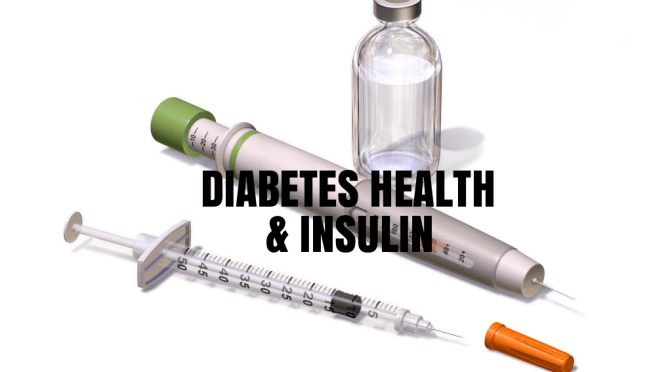
Healthcare Podcast: Price Of Insulin Has Doubled In Last 4 Years, Putting Type 1 Diabetics & Families At Risk
From a USA Today online article:
 In people with Type 1 diabetes, the pancreas can’t make insulin. Those with the condition require several doses of insulin a day and spent $5,705 per person on it in 2016, an increase of $2,841, or 99%, per person since 2012, according to the nonprofit Health Care Cost Institute.
(Podcast interview “This Weekend With Gordon Deal”, 12-14-19)
 Costs continue to rise, so much so that almost half of people with diabetes have temporarily skipped taking their insulin, according to a 2018 survey by UpWell Health, a Salt Lake City company that provides home delivery of medications and supplies for chronic conditions.
“Insulin prices doubled in a four-year period,” said Cathy Paessun, the director of the Central Ohio Diabetes Association. “They continue to go up, and the infuriating thing is that there is no change in the process for creating the product.”
To read article: https://www.usatoday.com/story/news/health/2019/12/09/insulin-prices-double-ohio-lawmakers-looking-answers/2629115001/
Surgery: There Are No Low-Risk Procedures For Frail Older Patients (NYT)
From a New York Times online article:
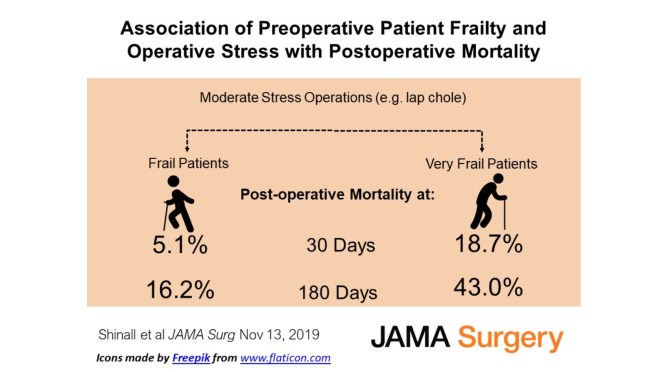
 “Our data indicate that there are no low-risk procedures among patients who are frail,” Dr. Hall and his co-authors concluded in their study.
Dr. Hall’s research, recently published in JAMA Surgery, has found that frail, older adults are more likely than other patients to die after even supposedly minor procedures — and even when the surgery goes well, without complications.
After operations, frail patients find it harder than others to regain strength and mobility, and to return to independent lives. Doctors and researchers assess frailty in a variety of ways. Geriatricians often measure things like gait and grip strength, and look for unintended weight loss and exhaustion.
To read more: https://www.nytimes.com/2019/12/13/health/frail-elderly-surgery.html

New Health Studies: 43% Of Americans Prescribed Antibiotics Improperly
From a British Medical Journal (BMJ) online article:
 …primary care providers (general practice, paediatrics, and internal medicine) performed the best, giving a considerably lower percentage of antibiotic prescriptions without a documented indication (12%) than other specialists such as gynaecologists and urologists, who commonly prescribed antibiotics (24%), as well as those in all other specialties (29%).
As many as two in five antibiotic prescriptions (43%) provided in outpatient settings in the US could be inappropriate, a study published by The BMJ has found.1
Researchers from Oregon, USA, looked at prescriptions in ambulatory settings such as primary care and found that a quarter (25%) were deemed to be inappropriate, while a further 18% did not have an indication.
To read more: https://www.bmj.com/content/367/bmj.l6961

Diet Studies: Age-Related Macular Degeneration Linked To Processed, Refined And Fried Foods
From a Genetic Engineering & Biotechnology News release:
 “Our work provides additional evidence that that diet matters,” Millen added. “From a public health standpoint, we can tell people that if you have early AMD, it is likely in your best interest to limit your intake of processed meat, fried food, refined grains, and high-fat dairy to preserve your vision over time.”
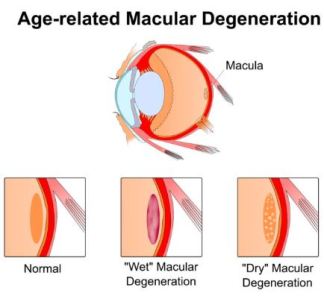
Participants who ate a diet high in red and processed meat, fried food, refined grains, and high-fat dairy were three times more likely to develop an eye condition that damages the retina and affects a person’s central vision, according to the results of a study, “Diet patterns and the incidence of age-related macular degeneration in the Atherosclerosis Risk in Communities (ARIC) study,” from the University at Buffalo (UB) that appears in the British Journal of Ophthalmology.
The condition is called late-stage age-related macular degeneration (AMD), which is irreversible and affects a person’s central vision, taking away their ability to drive, among other common daily activities.

Health Studies: Poor Sleep Associated With Non-Alzheimer’s Dementia And Impaired Cognition
From a University of Toronto Medicine article:
 “There are two important takeaways from this paper. One is that poor sleep is associated with brain immune dysregulation or dysfunction,” says Lim, the corresponding author for the paper.
“The second part is that dysfunction appears to be further associated with impaired cognition.”
The study shows that in adults with fragmented sleep – where people were waking up repeatedly instead of sleeping soundly – there was an effect on microglia, and the cells showed signs of accelerated aging and other abnormalities.
The researchers were then able to identify that these changes in the microglia could be associated with worse cognition in older adults, both with and without Alzheimer’s disease.
To read full study: https://advances.sciencemag.org/content/5/12/eaax7331
To read more: https://medicine.utoronto.ca/news/research-suggests-fragmented-sleep-may-affect-brain-s-immune-cells-impair-cognition

Health Studies: Sleep Problems Prevent Long-Term Recovery From Chronic Low Back Pain
From a MedScape online release:
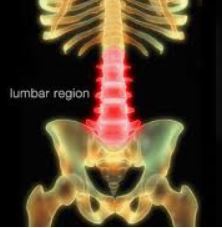 Sleep problems may decrease the likelihood of recovery from chronic low back pain (LBP) over the long term and those who have musculoskeletal pain on top of insomnia have an even lower possibility of recovery, a study has found.
“The probability of recovery [from LBP] is especially low among persons who often/always experience sleeplessness and who also suffer from co-occurring musculoskeletal pain,” the researchers write.
The study took place over more than 10 years and also found the likelihood of recovery from chronic LBP decreased further among people with muscle and joint pains, in addition to sleeplessness.
The researchers conducted a prospective cohort study that included 3712 women and 2488 men aged at least 20 years who participated in the HUNT study, one of the largest, longest running health studies in Norway. HUNT began in 1984 and has data on over 120,000 participants.
To read more: https://www.medscape.com/viewarticle/922338

