

Category Archives: Health
Sleep Health: “The Neurology And Psychology Of Insomnia”
From a Psychology Today online article:
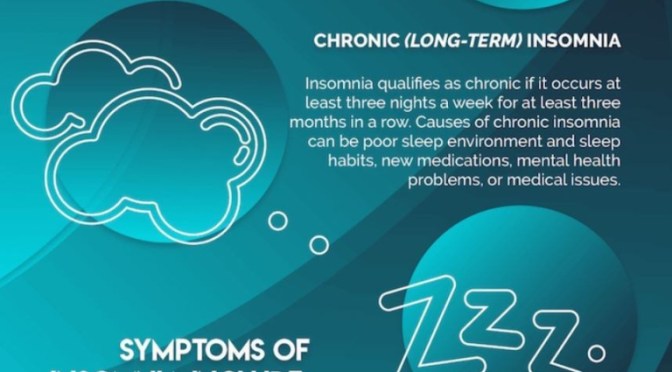
For those with insomnia, however, the stressor appears to be the lack of sleep, and the desire for sleep becomes a stressor in itself. In other words, the fixation on getting sleep leads to feelings of stress over not falling asleep, which begins a vicious loop. According to a model first proposed by Kales et al. in 1976, patients 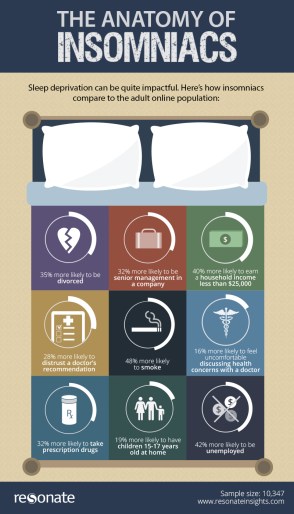 can develop a conditioned fear of not being able to sleep, which puts them in a state of hyperarousal when they attempt to fall asleep. This makes their inability to sleep a self-fulfilling prophecy.
Insomnia is the most common sleep condition in the world, with half of adults globally reporting occasional episodes. Chronic insomnia, though far less prevalent, affects as many as 10 to 15 percent of the adult population.
Though these sleep problems are extremely common, the neurobiological mechanisms behind insomnia are not entirely understood. Research suggests that emotional stressors do play an outsized role in contributing to sleep problems, and it is well documented that mood and anxiety disorders are common comorbidities with insomnia. This seems like common sense. Emotional arousal, whether due to a state of anxiety or because of intrusive thoughts, makes it difficult to relax, thereby inhibiting one’s ability to either initiate sleep or get back to sleep after waking.

Medical Podcasts: The Time Physicians Spend On Patient’s Electronic Health Records (NEJM)
 Listen to a chat with Julia Adler-Milstein, the author of an editorial that comments on a recent Annals of Internal Medicine study detailing the amount of time clinicians typically spend hunched over their EHRs during a patient visit.
Why aren’t you able to navigate your electronic health record (EHR) as easily as you can find a recipe on, say, Google?
And, what about those requirements for documenting everything?
Links:
Annals of Internal Medicine editorial
Annals paper on the time clinicians spend
Running time: 17 minutes
Medical Care: “Restoring Hearing Loss – The Patient Experience” (Penn ENT)
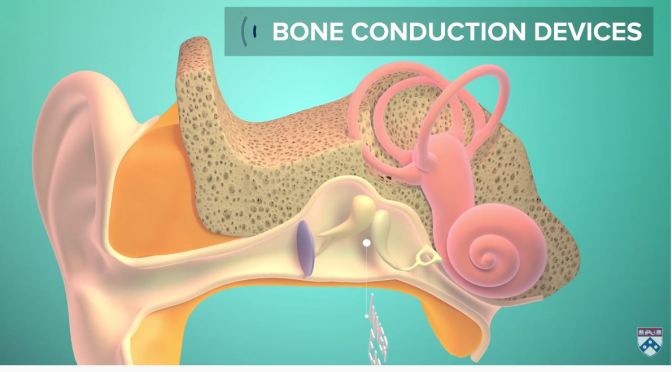
At Penn Medicine ENT, we offer patients the most advanced developments in hearing technology. Our multidisciplinary approach to medicine ensures that each patient path is tailored to the patient’s specific needs.
- When they come to our center, patients typically begin by having a diagnostic assessment.
- Often, those patients are also seeing an ear, nose and throat physician after they have their hearing evaluation.
- Together, the team can then make the appropriate recommendation of what should come next.
In terms of hearing devices, we offer access to almost every hearing aid manufacturer available, as well as advanced implantable technology. This includes the auditory brain stem implant, which Penn Medicine is the first in the region to offer.
Hearing is currently the only sense that we can completely restore. We’re proud to be able to offer our patients everything available to help restore their communication with family and friends.
Studies: Depression Diagnosis Increases Risk Of Dementia For Decades
From a PLOS Medicine online study:
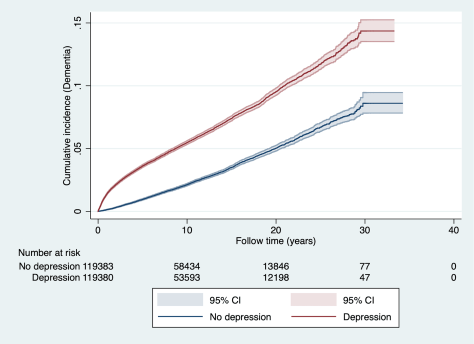
Depression is associated with increased odds of dementia, even more than 20 years after diagnosis of depression, and the association remains after adjustment for familial factors. Further research is needed to investigate whether successful prevention and treatment of depression decrease the risk of dementia.
The risk of dementia is increased for decades after a diagnosis of depression, where those diagnosed with especially severe depressions are at increased risk.
Dementia is common among the elderly, causing severe individual suffering as well as societal strain. As the proportion of people aged 65 years and above is rapidly increasing in the world population, the number of individuals with dementia is expected to double within 20 years, and this condition was estimated to have a worldwide cost of US$604 billion in 2010. Effective treatments for dementia remain scarce; however, a preventive approach may be possible through the identification of high-risk individuals and potentially modifiable risk factors.
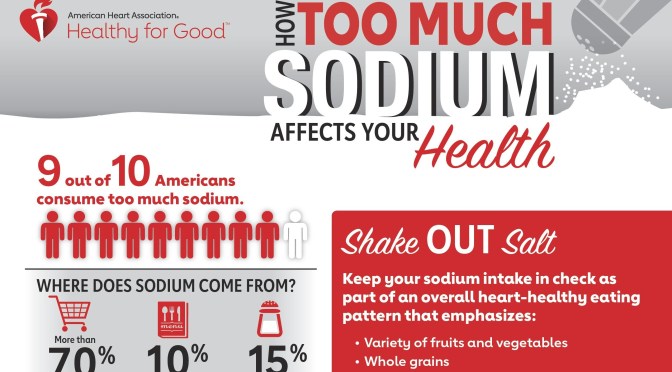
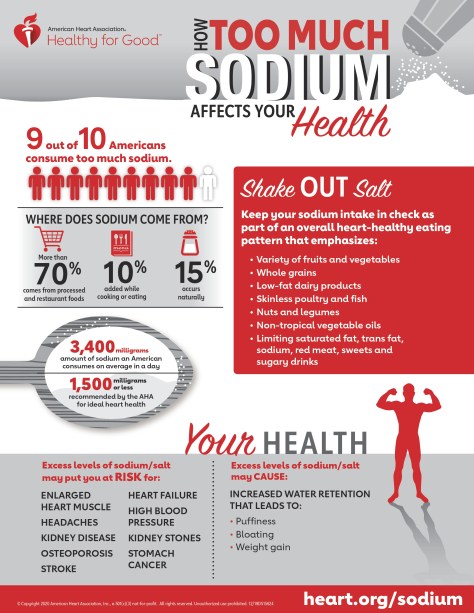
Health: “90% Of Americans Consume Too Much Sodium” (Infographic)

Health: “What Is The Coronavirus?” (Video)
The Guardian’s health editor, Sarah Boseley, answers some of the most common and pressing questions surrounding the recent coronavirus outbreak in Wuhan, China
Heathcare Podcasts: An Inside Look At Benefits & Costs Of Hospice (NPR)
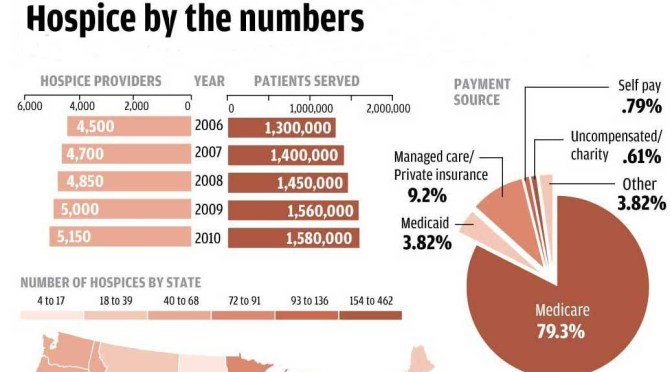
 According to a recent Kaiser Family Foundation poll, seven in 10 Americans say they would prefer to die at home. And that’s the direction the health care system is moving, too, hoping to avoid unnecessary and expensive treatment at the end of life.
Hospice allows a patient deemed to have fewer than six months to live to change the focus of their medical care — from the goal of curing disease to a new goal of using treatments and medicines to maintain comfort and quality of life. It is a form of palliative care, which also focuses on pain management, but can be provided while a patient continues to seek a cure or receive treatments to prolong life.
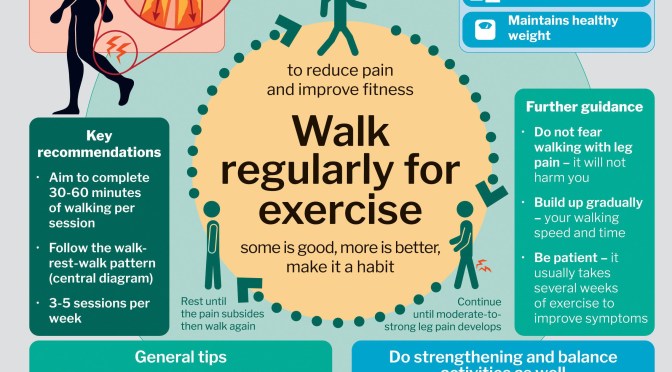
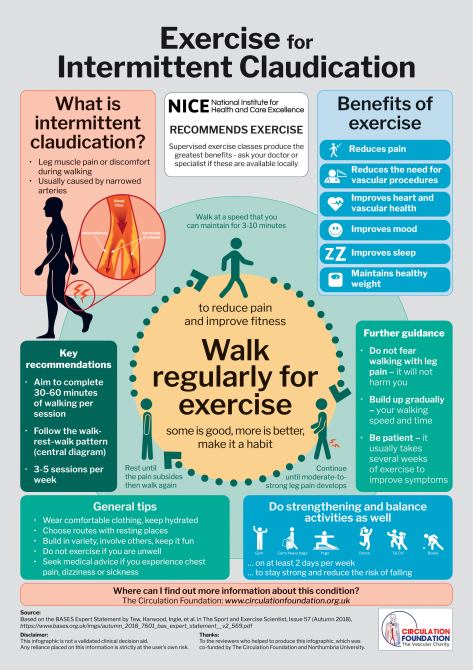
Infographic: Exercise For Intermittent Leg Pain & Walking (Claudication)
Research: Scientists Find Protein To Regulate Immune Attacks, Reduce Rheumatoid Arthritis
From a New Atlas online article:
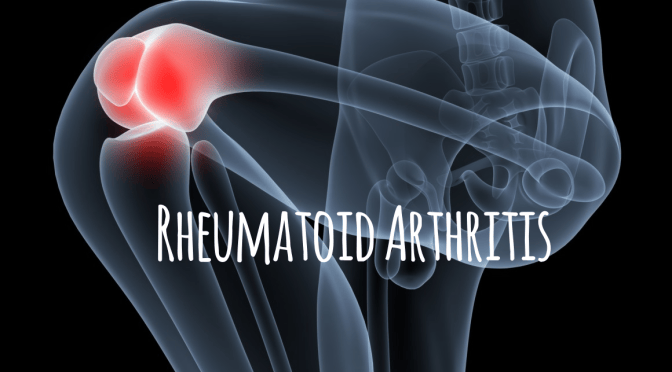
 Scientists have just discovered a new mechanism that can be key in regulating these immune attacks, raising new hopes of drugs that can protect against joint inflammation and the ailments it can bring.
Through the use of the CRISPR gene-editing tool, the Karolinska Institutet scientists have now shed further light on the role they play in inflammation. The technology enabled the team to make adjustments to a set of hand-picked immune cell genes as a way of learning how those tweaks can impact the behavior of the cells.
“The results we obtained using CRISPR were key to quickly understanding how the system under study is regulated,” says Dr Wermeling. “I have high hopes that the experimental use of CRISPR will be hugely important to our understanding of how immune-cell behavior is regulated, and that this can guide us in the development of new efficacious drugs.”
 Intellicurious