
From a Science Daily online release:
“People with heart failure cannot do everything that a healthy individual can, so the question becomes how much exercise can they handle and what type of impact will it have on their health,” Emter said. “We found that regardless of intensity level, some type of physical activity was good for heart health compared to no exercise at all.”
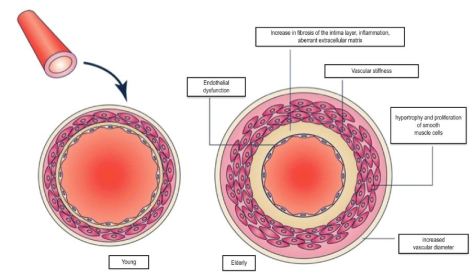
Now, research from the University of Missouri has found exercise can improve the health of blood vessels in the heart for people with heart failure. The finding is based on a study looking at swine, which have very similar blood vessels and heart muscles — both structurally and functionally — as humans.
To read more: https://www.sciencedaily.com/releases/2019/10/191022174402.htm

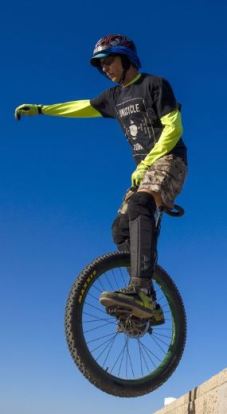 Now 63, Mr. Peterson has progressed from bike paths to rugged mountain trails and is known for his caped helmet emblazoned with his nickname, UniGeezer. Based on his GPS and bike computer, he estimates he’s logged nearly 30,000 miles, or 24 million pedal revolutions, since he started.
 Mr. Aiona paddles with his club on Tuesday and Thursday nights and Saturday mornings for 90 minutes to two hours.They alternate between sprints and endurance paddles of up to eight miles in a six-man outrigger canoe. They also work on paddle technique and do huli drills. “Huli is Hawaiian for turn over,” he explains. “If you flip your canoe there is a very precise process for getting everyone safely and efficiently back in. We call out positions to make sure no one is underneath.
 This study, combined with the results of previous studies, supports the hypothesis that engaging in morning exercise may result in more weight loss compared to engaging in a similar amount of exercise later in the day. Furthermore, we observed individuals who performed most of their exercise sessions in the afternoon or evening tended to have slightly higher levels of EI and reduced NEPA and NEEx, suggesting that there are potentially important differences in the components of energy balance based on time of day exercise is performed.
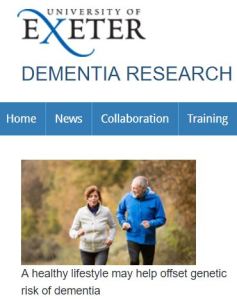 “Living a healthy lifestyle may help offset a person’s genetic risk of dementia, according to new research.
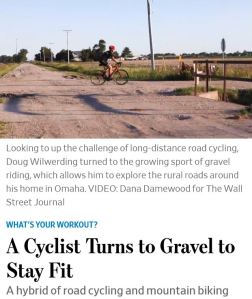 Gravel riding is more jarring than road riding so strength and mobility really come into play. “Your upper body takes much more of a beating,” Mr. Wilwerding says. “Especially when you’re riding bumpy terrain for eight hours.” With the help of a coach, he has trained to participate in five century rides—three road, two gravel—this summer. His next ride, the SBT GRVL, takes place Aug. 18 and covers 141 miles and about 9,000 feet of climbing in Steamboat Springs, Colo. “I’m in the best shape of my life outside of my collegiate swimming career,” he says.
  Intellicurious