
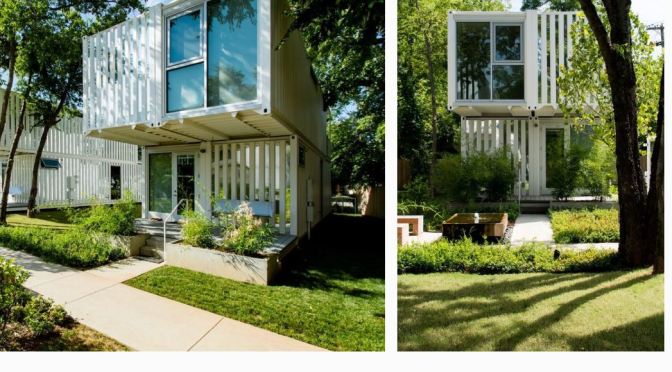
From a Dezeen.com online review:
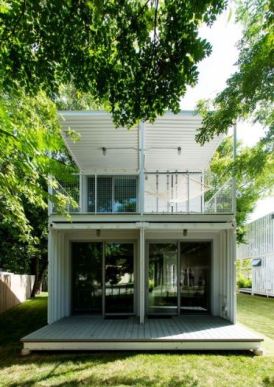 Two containers make up the ground floor of each house, with two more cantilevered three metres over one end to create a sheltered porch below and a first-floor terrace off the master bedroom.
Oklahoma has a hot climate, so the steel containers have been painted white to reduce heat gain, while mirrored strips reflect the sun’s glare.
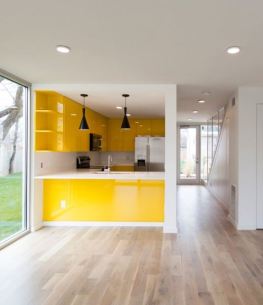 Squirrel Park is a scheme of four houses made from converted shipping containers in Oklahoma City, USA, by Allford Hall Monaghan Morris. Built for a developer client who plans to live in one of the properties, Squirrel Park has four two-bedroom homes on a 2,500-square-metre site.
https://smithdesigncompany.com/squirrel-park/6y6kpxgw1o63uvt09y8viifgw7mj5q
A total of 16 lightly used steel shipping containers – which had “been around the world once” according to AHHM – were used to make the four houses. The three family homes not occupied by the developer will be rented at “competitive market rates”.

 A 2019 Super Bowl ad kicked off a showdown between the maker of Bud Light and the maker of Coors Light. WSJ’s Jennifer Maloney explains how that standoff has led to accusations of corporate espionage, two lawsuits and questions about the future of the beer industry.


 “Originally designed as both a road and racing car, little compromise was made for comfort and practicality. With a light body and a peppy 2½ litre Riley engine, the Healey Silverstone performed well; even the headlights were brought inside behind the grille to make it more aerodynamic. It had a very limited run; just 105 produced making correct examples extremely desirable.


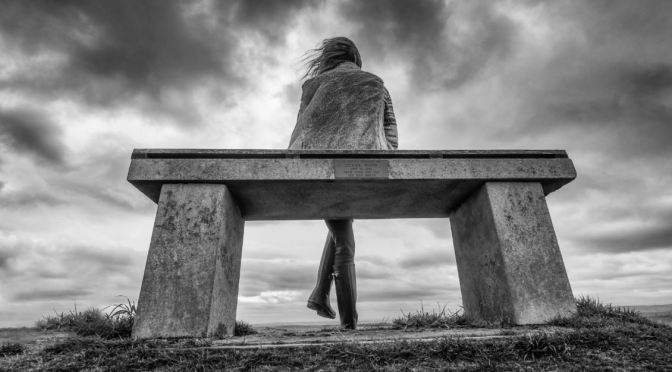
 His work has been exhibited in art galleries in London’s Mayfair and his photographs hang in countless homes in countries and continents around the world.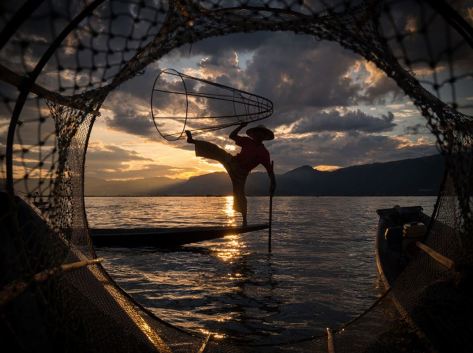





 Joe’s Stone Crab in Miami Beach, Fla., is the top-grossing independent restaurant in the country, according to Restaurant Business’ annual ranking of the Top 100 Independents. In its first time in the top spot, the restaurant brought in more than $38 million in 2018.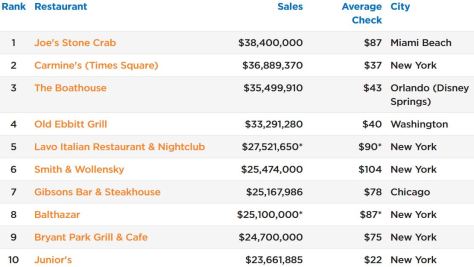
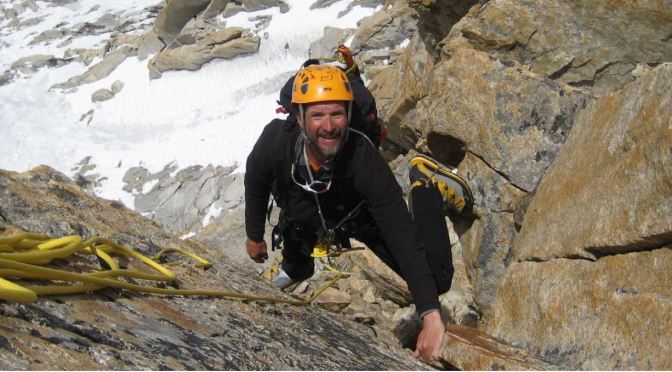
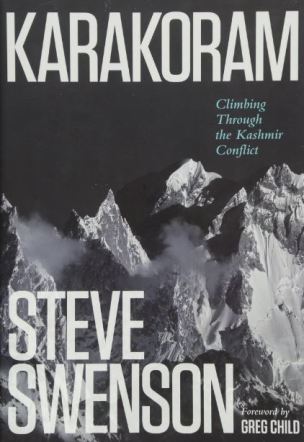 In the spring and summer, he trained two to four hours a day, six days a week, running daily and carrying 60 pounds of water up a 4,000-foot peak near his home in Seattle twice a week. “All the research has shown that 80 percent of training for alpine ascents needs to be long duration and low intensity, to build a huge foundation of endurance,” Swenson says. “There are no shortcuts to this. There’s no thirty-minute-a-day gym workout. You have to have the discipline to put the time in.”
