
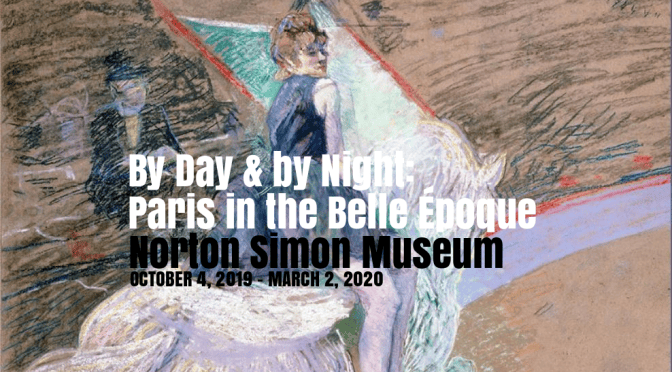
From the Norton Simon Museum website:
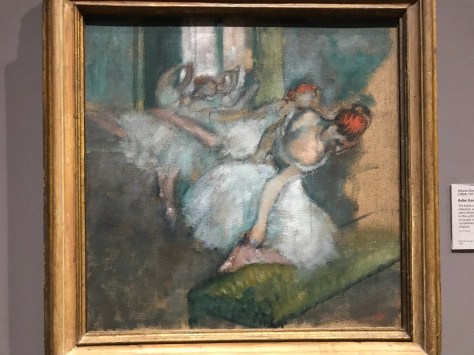
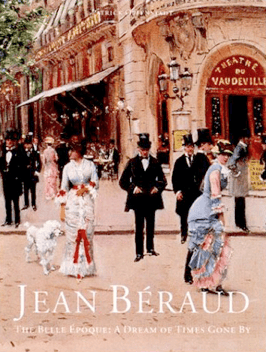 By Day & by Night: Paris in the Belle Époque surveys the rich range of artistic responses to life in the French capital through a selection of paintings, drawings, prints and photographs from the Museum’s collections. Together these works of art demonstrate that visual artists participated in the inventive spirit of the age by interpreting the everyday as something extraordinary.
The belle époque, a French expression meaning “beautiful era,” refers to the interwar years between 1871 and 1914, when Paris was at the forefront of urban development and cultural innovation. During this time Parisians witnessed the construction of the Eiffel Tower, the ascendancy of the Montmartre district as an epicenter for art and entertainment and the brightening of their metropolis under the glow of electric light. From the nostalgic perspective of the twentieth century, this four-decade period of progress and prosperity was a golden age of spectacle and joie de vivre.
To read more: https://www.nortonsimon.org/exhibitions/2010-2019/by-day-and-by-night-paris-in-the-belle-epoque/
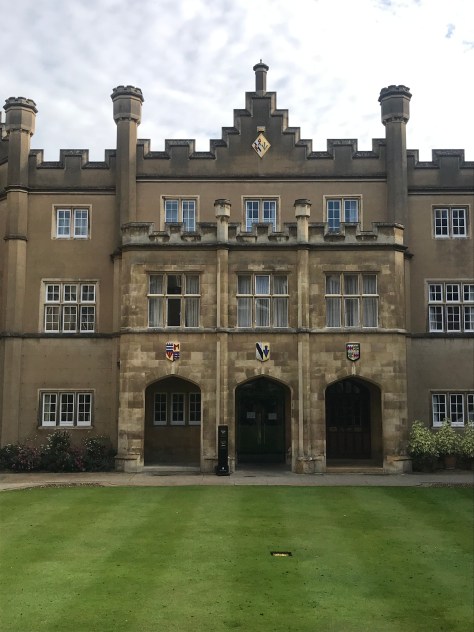

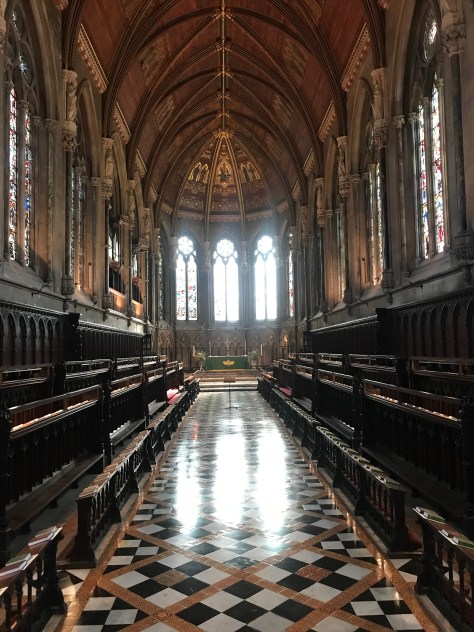
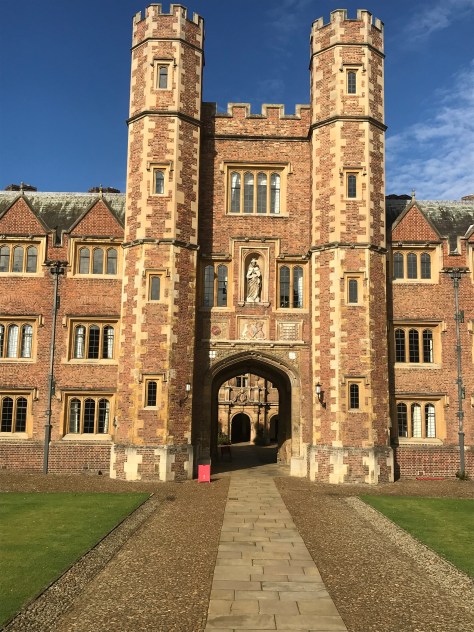
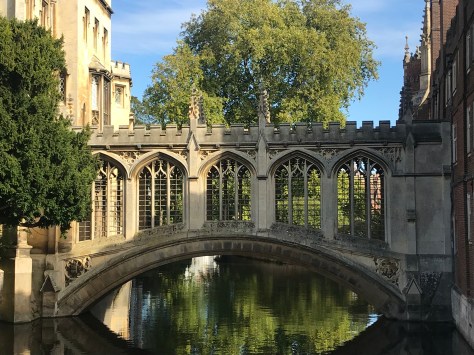



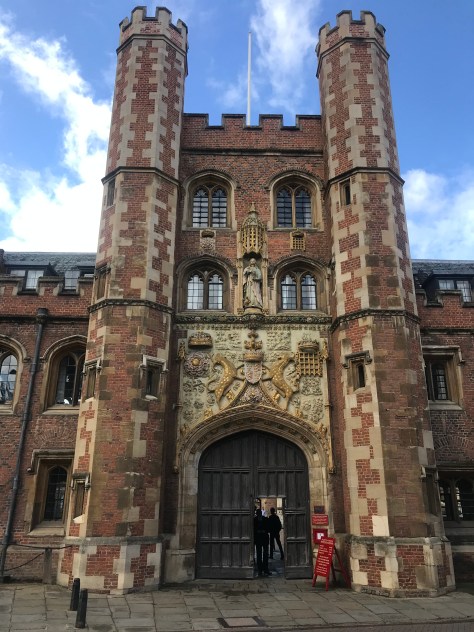
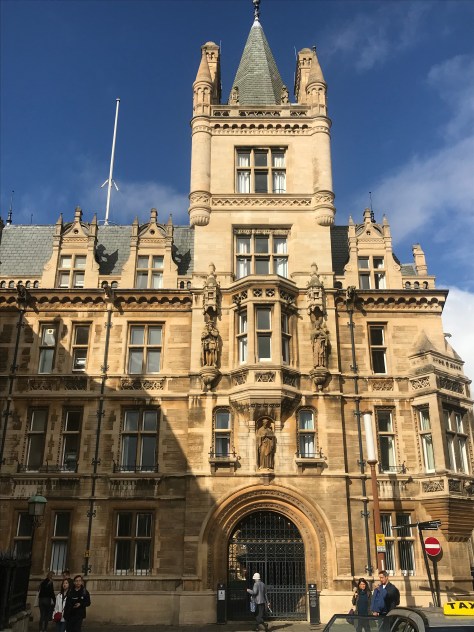
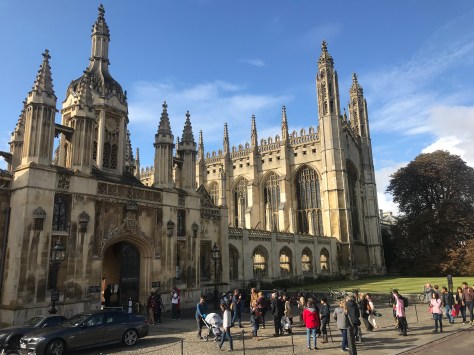
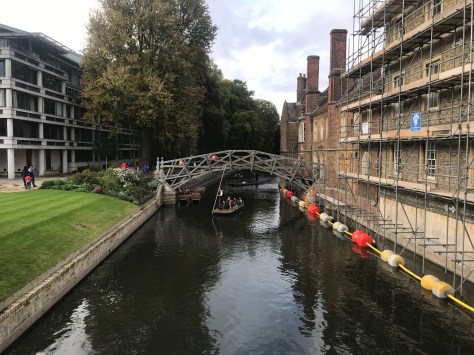

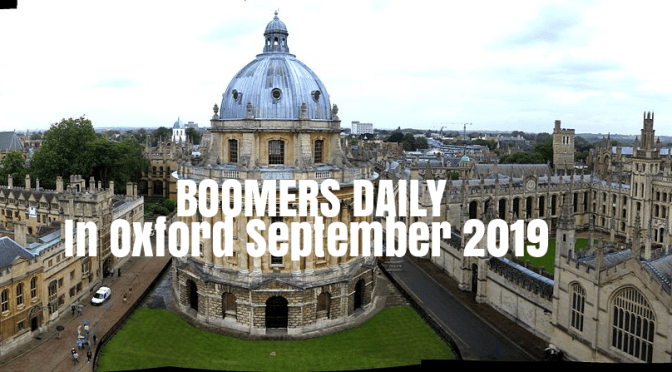
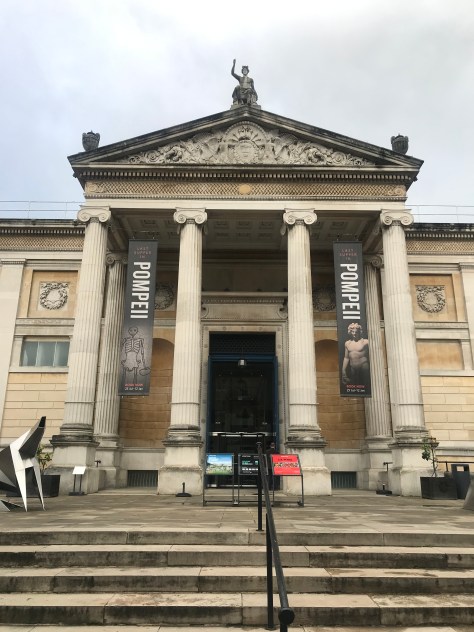
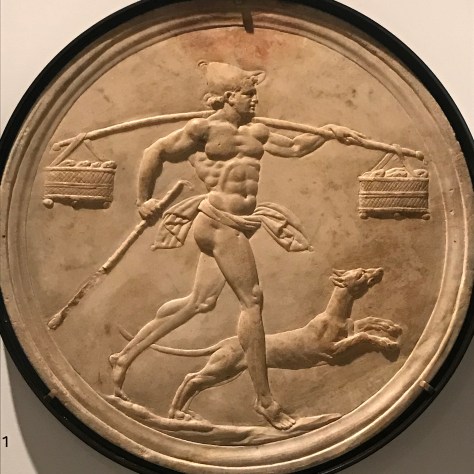
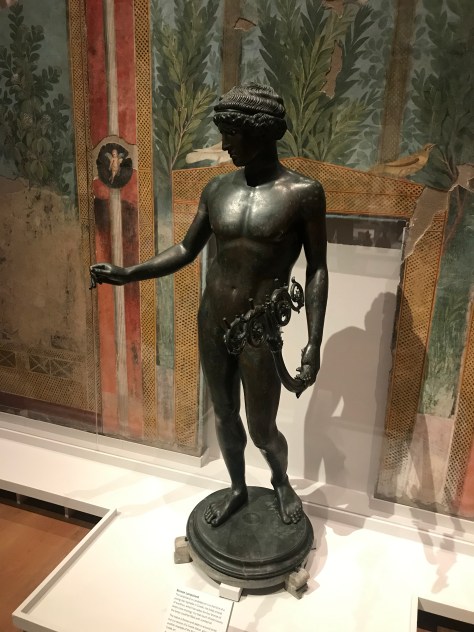
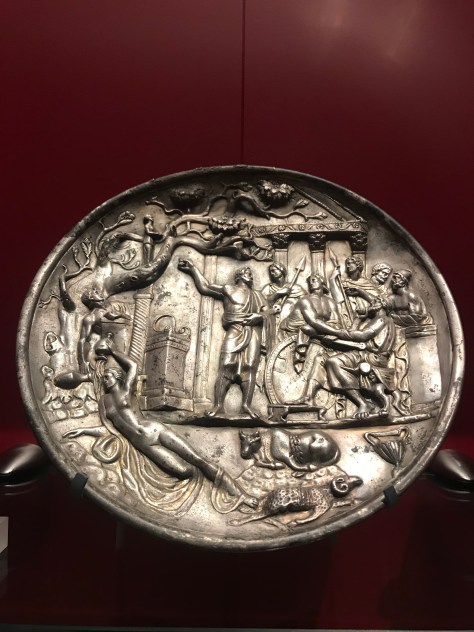
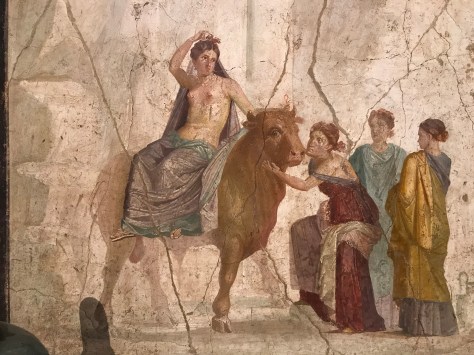
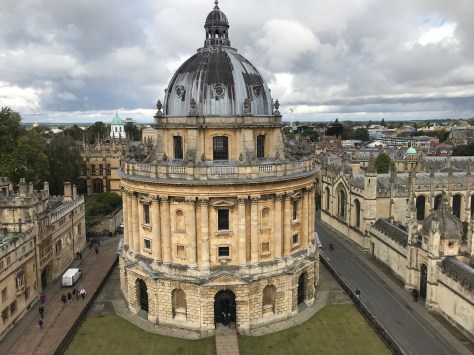
 Our first stop was the Ashmolean Museum, which was remarkably uncrowded at 9:30 am this Wednesday morning. We paid to see the special exhibit “Last Supper In Pompeii” and it was outstanding.
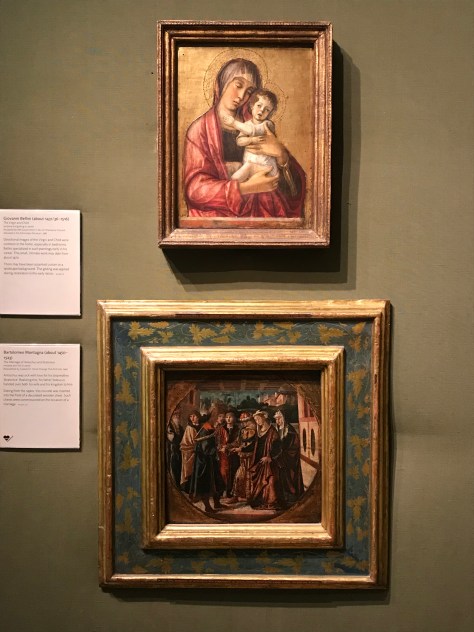
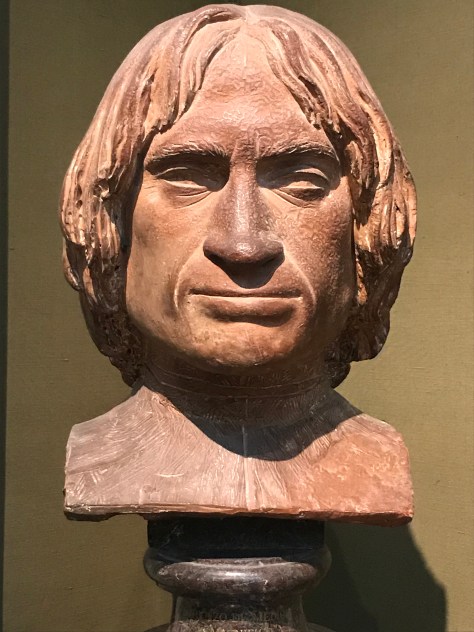
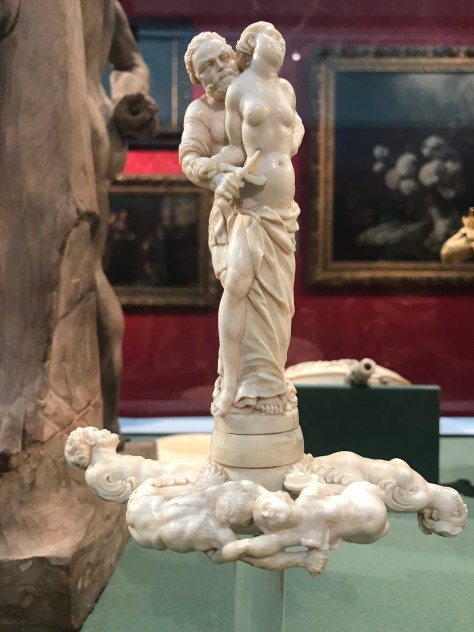
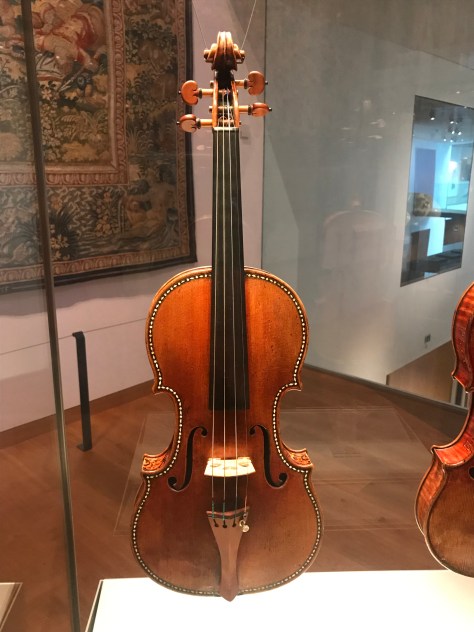
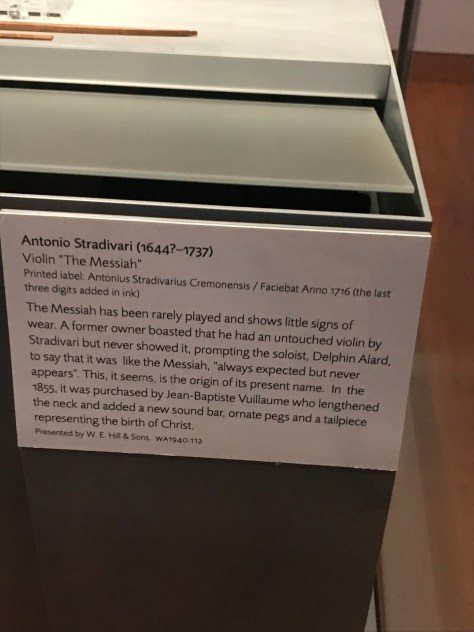
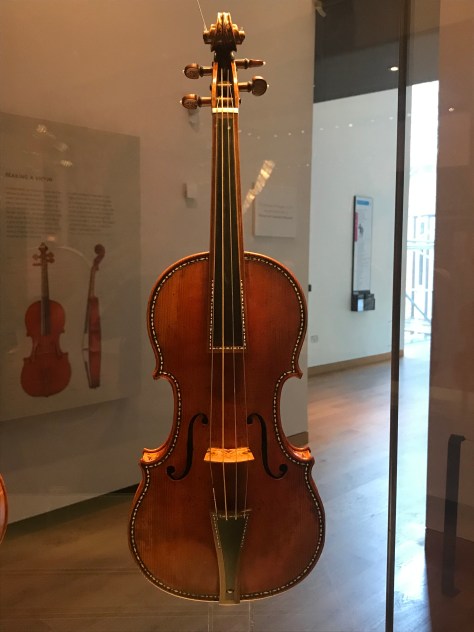
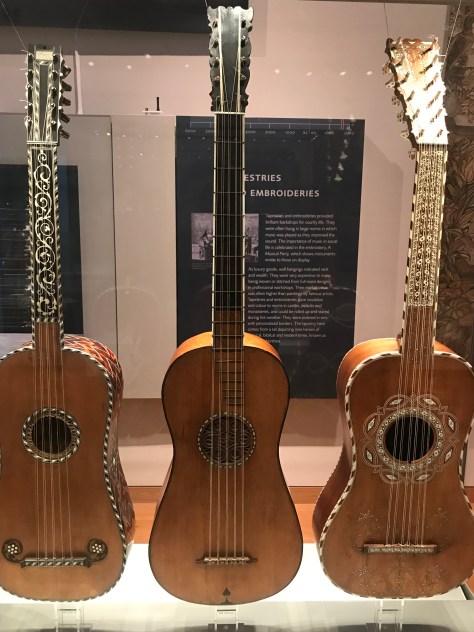

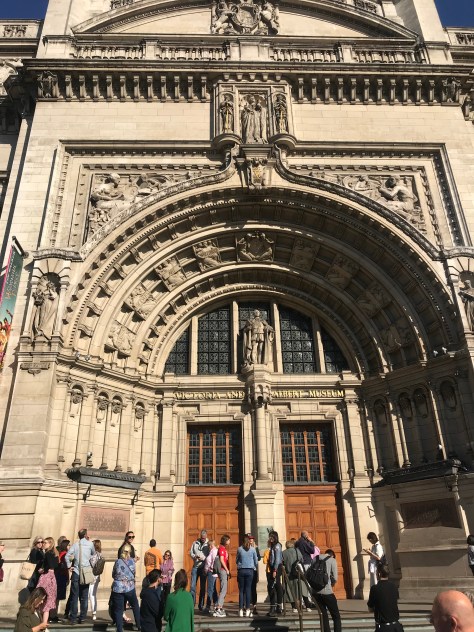
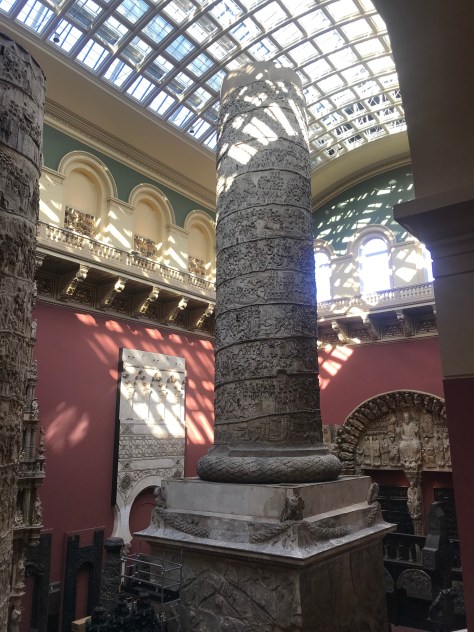
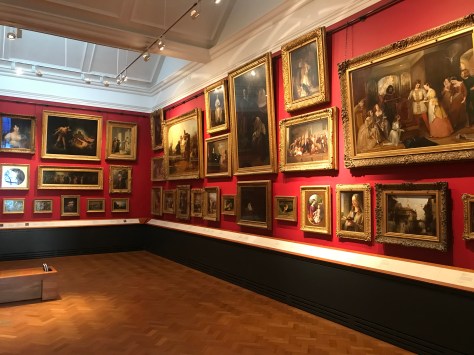
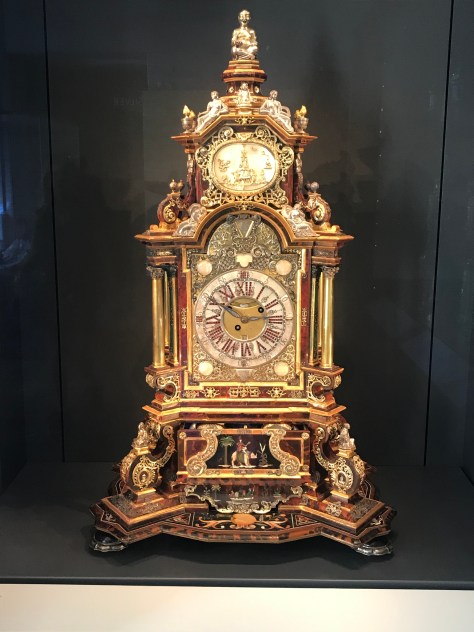
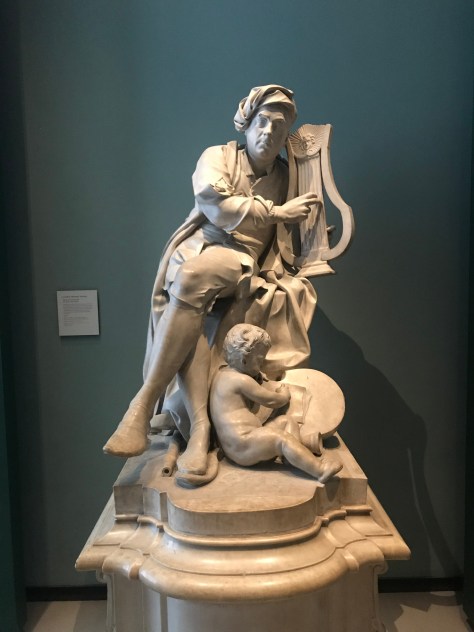
 After a great British breakfast, hopped on the Tube at Tower Hill and headed for the South Kensington station. Arrived at the Victoria & Albert Museum as it opened at 10.
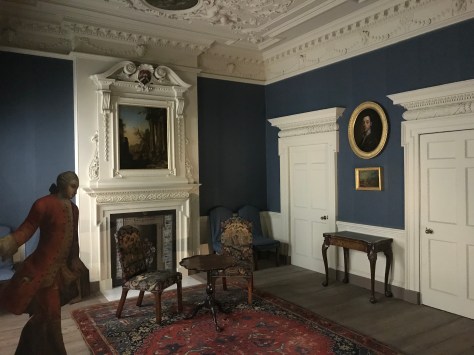
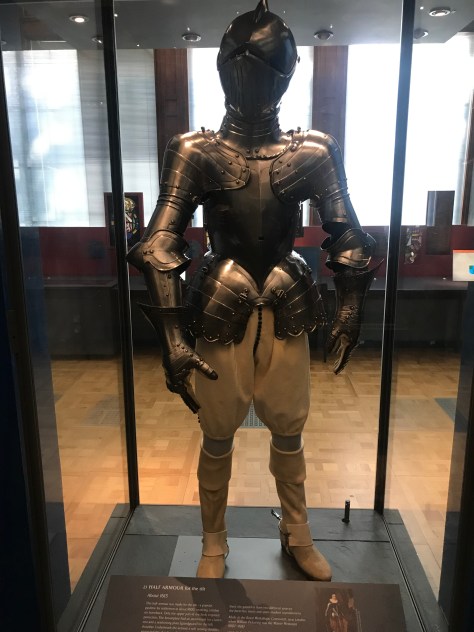
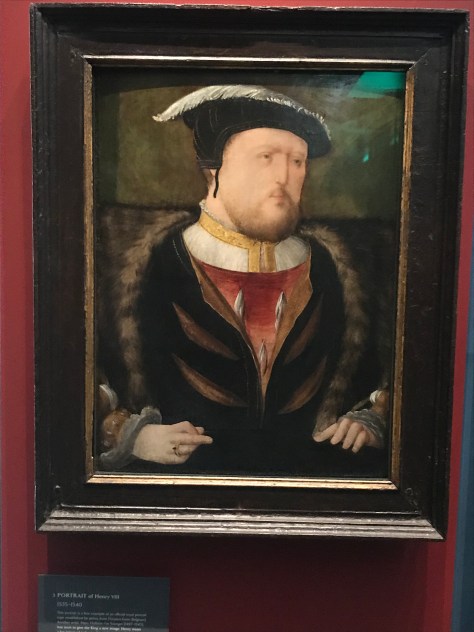
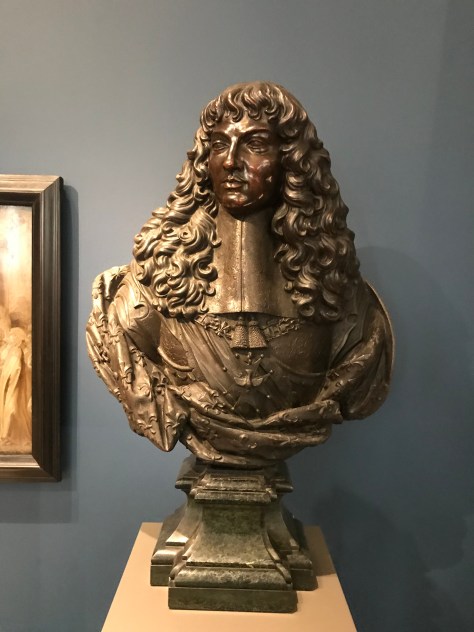
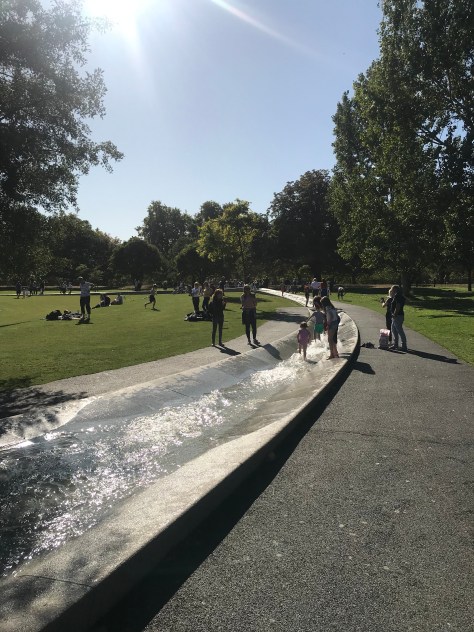
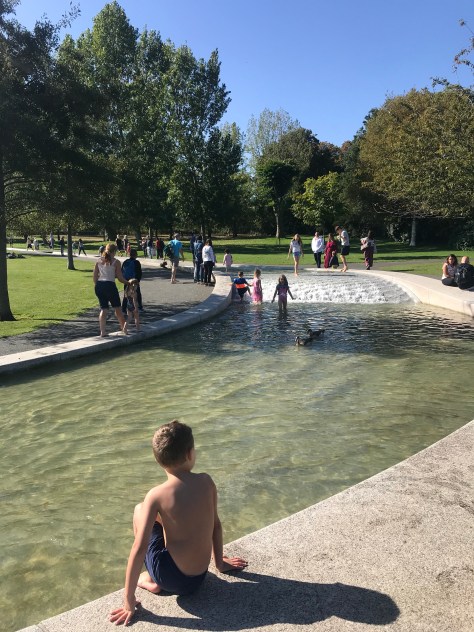
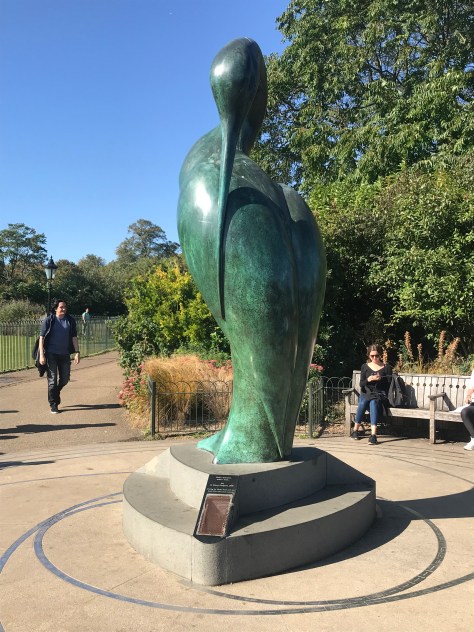
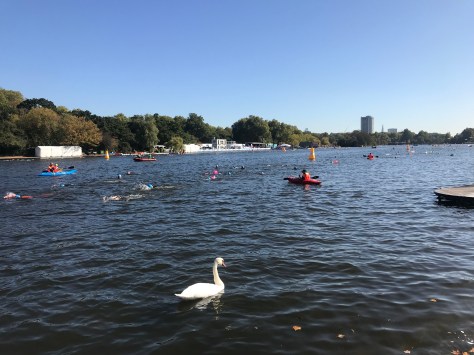
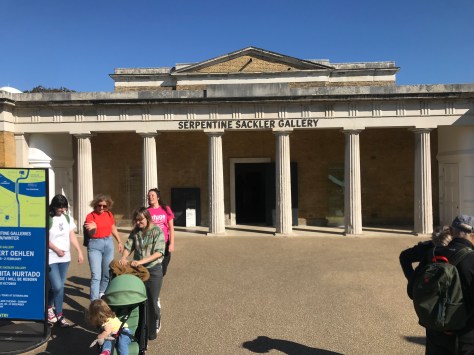
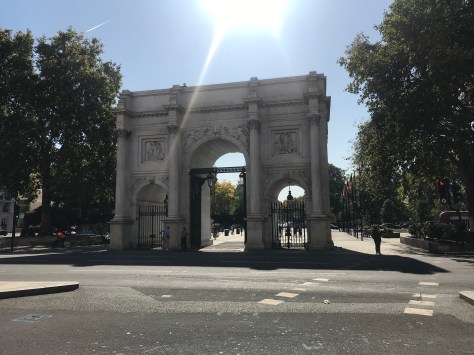
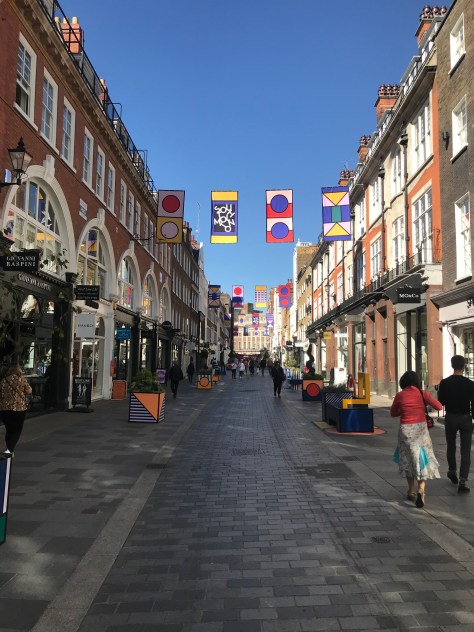
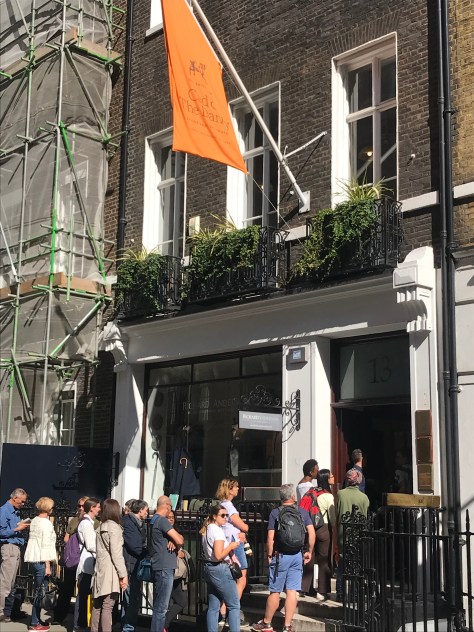
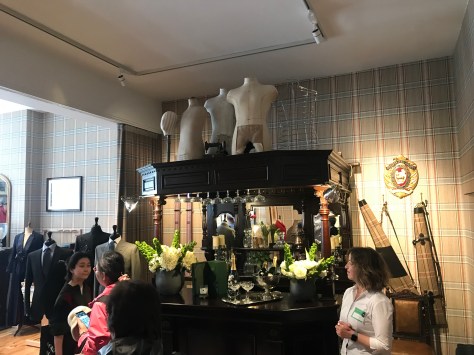
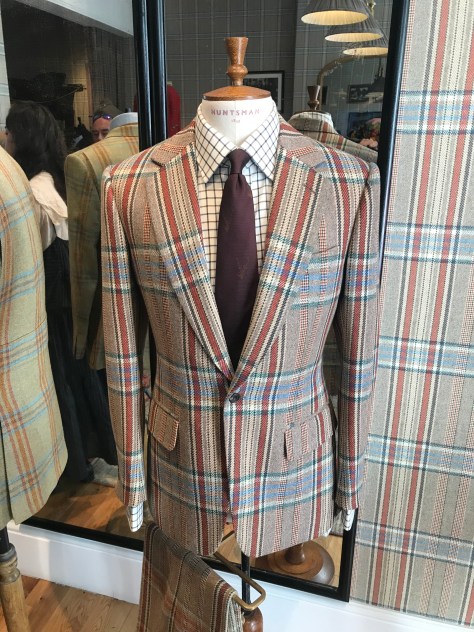
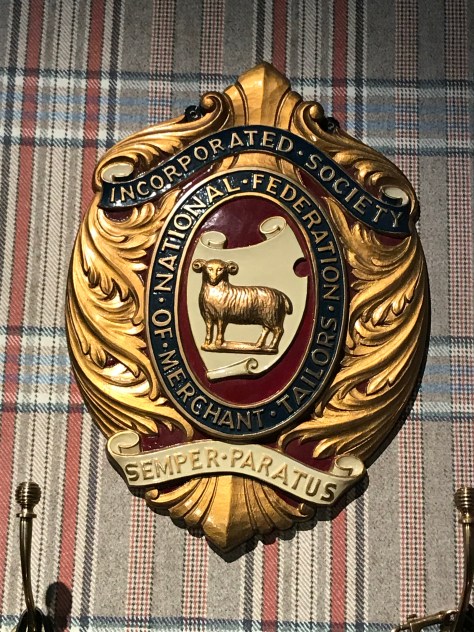


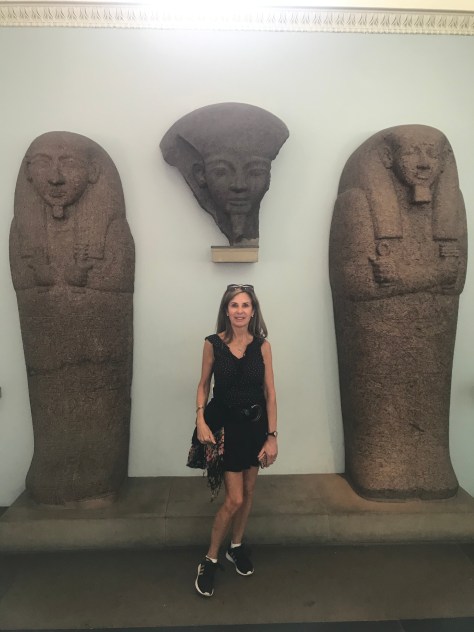
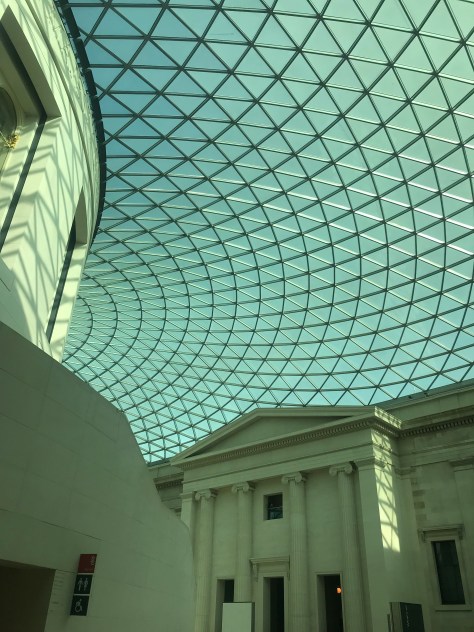
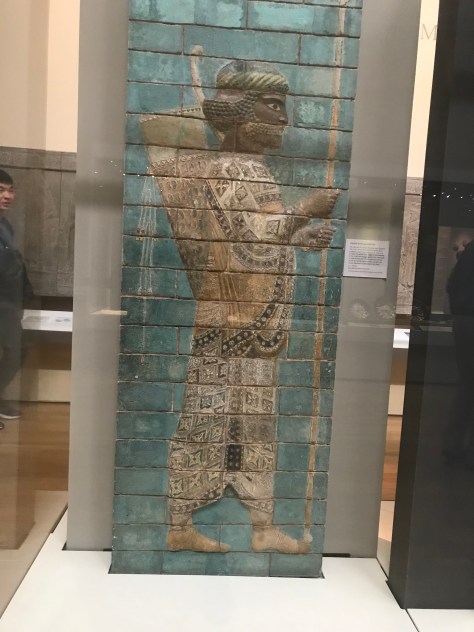
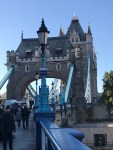 Set out at 9 am across Tower Bridge and experienced South Bank.
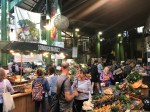 Borough Market is a must visit and it delivered delicious stall after stall of every cheese, meat, vegetable and savory or sweet foods.
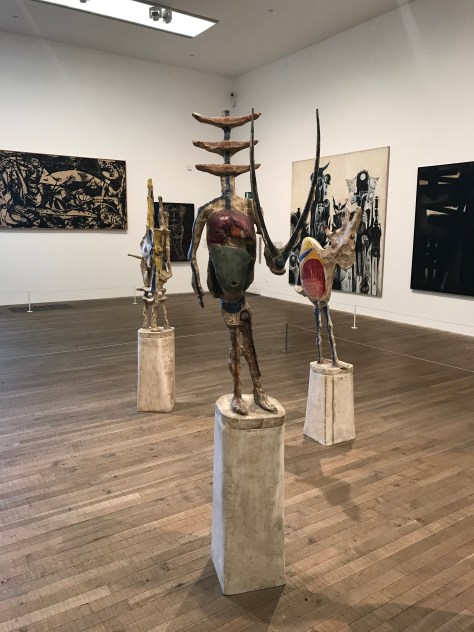
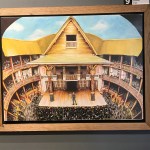 We then continued along the Thames for a quick view of Shakespeare’s Globe, followed by a tour of the Tate Modern.
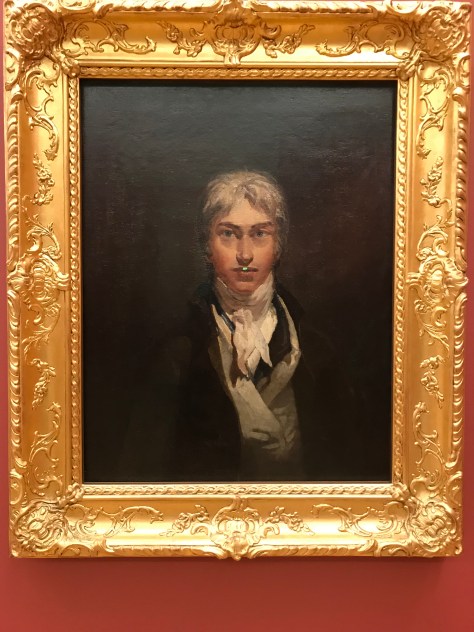
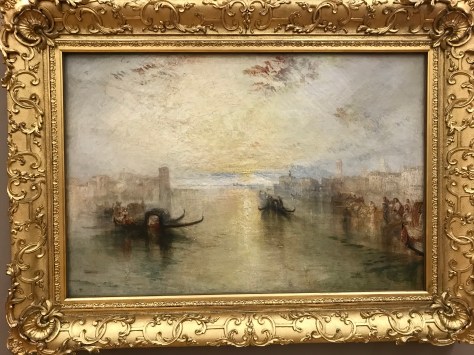
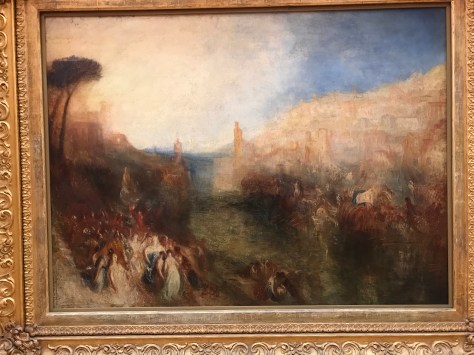
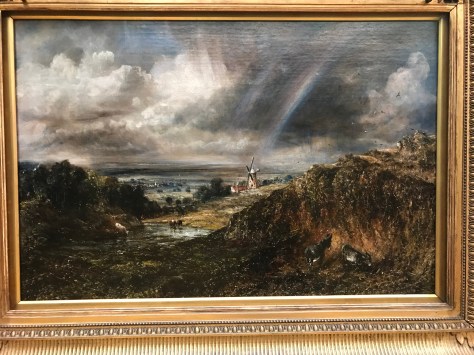
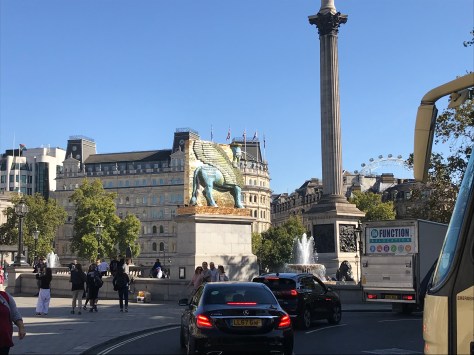
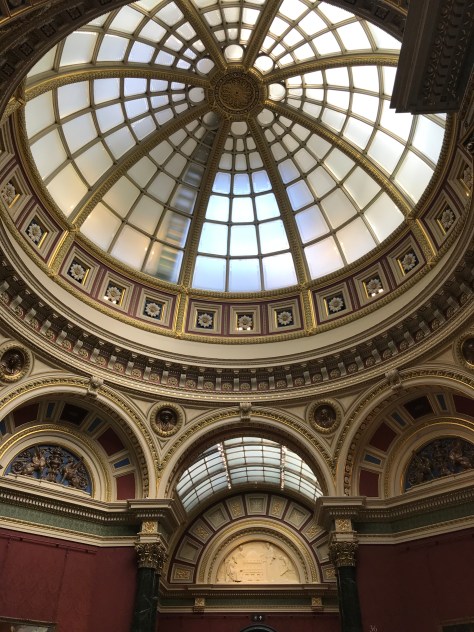
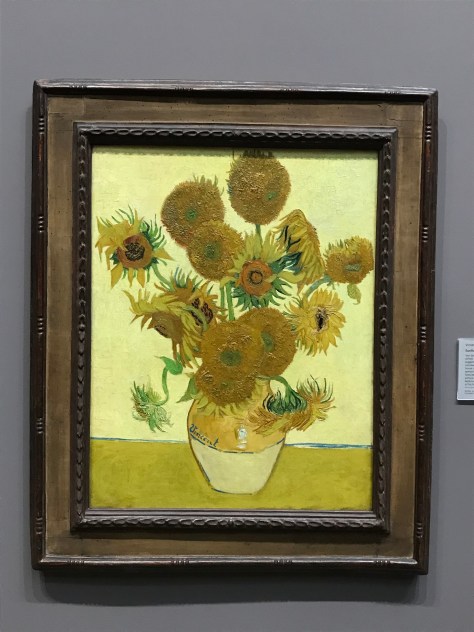
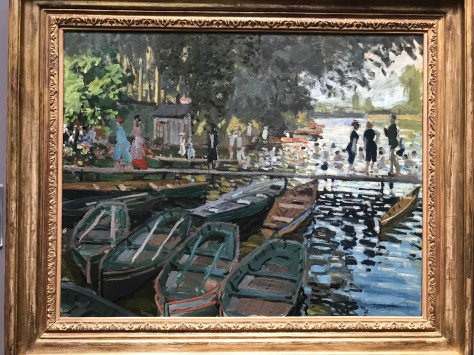
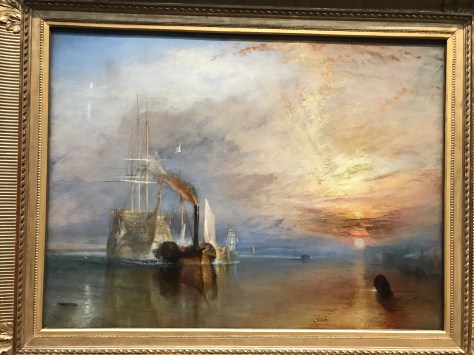
 Headed north to Buckingham Palace before walking through St. James Park to the National Gallery.
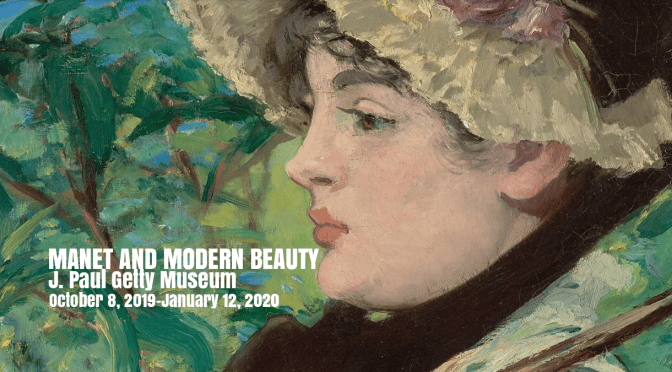
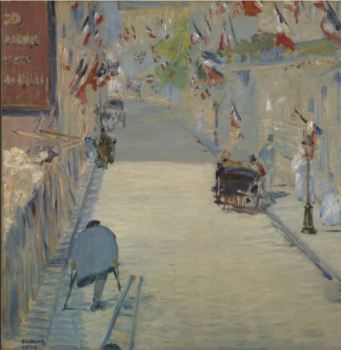 Édouard Manet was a provocateur and a dandy, the Impressionist generation’s great painter of modern Paris. This first-ever exhibition to explore the last years of Manet’s short life and career reveals a fresh and surprisingly intimate aspect of this celebrated artist’s work. Stylish portraits,
 luscious still lifes, delicate pastels and watercolors, and vivid café and garden scenes convey Manet’s elegant social world and reveal his growing fascination with fashion, flowers, and his view of the parisienne—a feminine embodiment of modern life in all its particular, fleeting beauty.
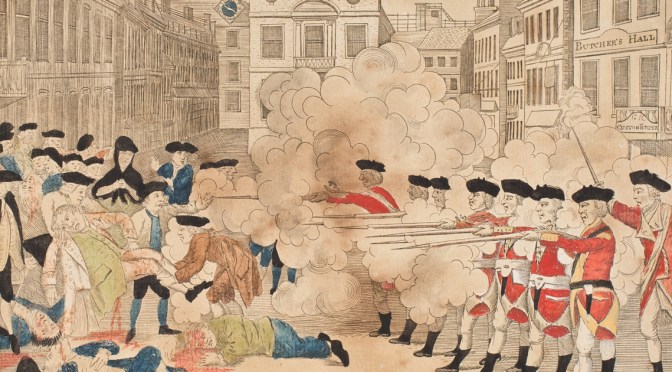
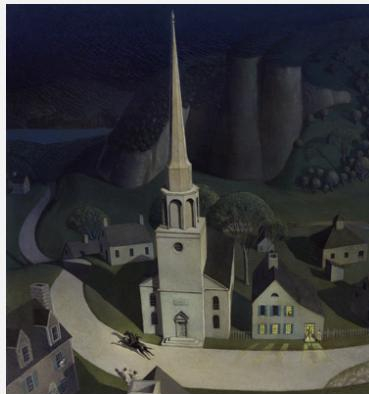 Revere’s place in history was cemented by
 The exhibition was organized by the
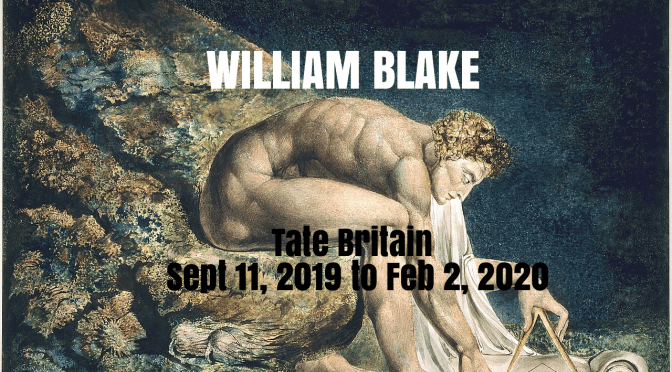
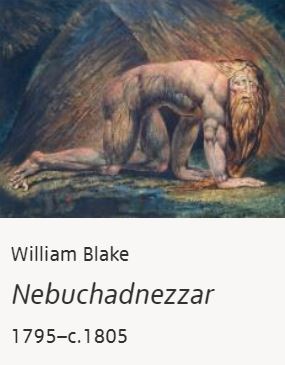 Although Blake was considered mad by contemporaries for his idiosyncratic views, he is held in high regard by later critics for his expressiveness and creativity, and for the philosophical and mystical undercurrents within his work. His paintings and poetry have been characterised as part of the Romantic movement and as “Pre-Romantic”. A committed Christian who was hostile to the Church of England (indeed, to almost all forms of organised religion), Blake was influenced by the ideals and ambitions of the French and American Revolutions.

