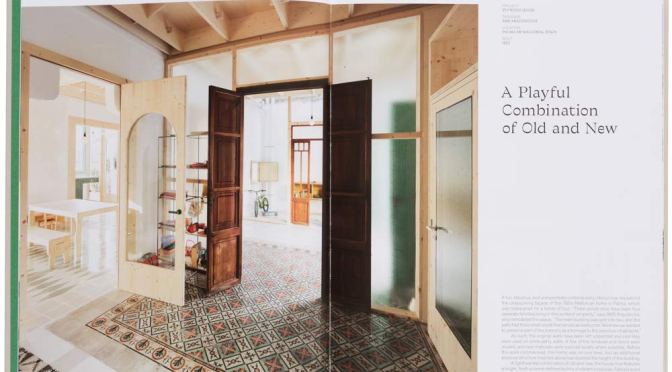
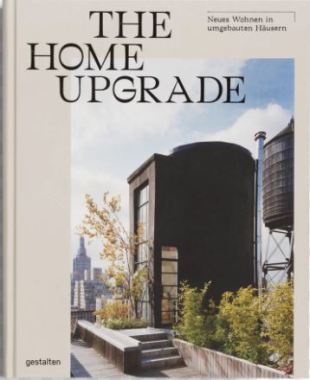
 The Home Upgrade looks beyond big budget projects and explores homes where the seemingly impossible has been achieved. For architects striking out on their own, such projects offer the opportunity to flex their muscles and lead a project for the first time. A home in Brooklyn, featured in the book, was refurbished after Hurricane Sandy ravaged the Eastern Seaboard in 2012. The living space was raised above the high-water line, an answer to the grim fact that once-in-a-generation occurrences are a new reality.
Historic conversions celebrate the unexpected relationship between old and new, and adaptive reuse projects reinvent the buildings around us. Exploring the most extraordinary transformations of recent years by leading studios, The Home Upgrade is an exhilarating look at the boundless possibilities of reimagining a home.

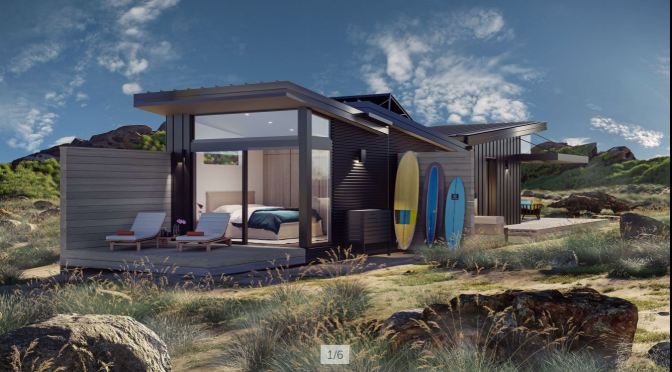
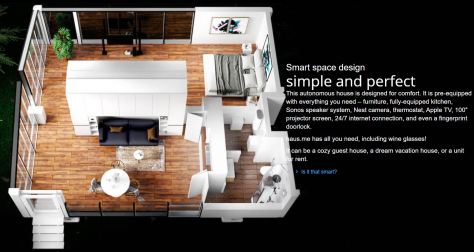
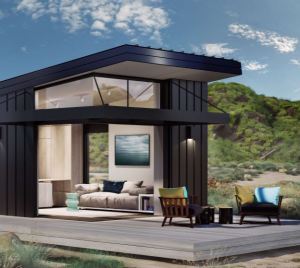 The idea for this ADU was conceived in the wake of the 2018 Woolsey Fire, as a way to help families reinhabit their properties while rebuilding their primary residence. All “BUD” designs provide beautiful living spaces that can be delivered quickly and enjoyed for generations as a valuable addition to almost any property.


 First published in 1897, Country Life is itself a late-Victorian institution. What could be more appropriate, therefore, than to celebrate this anniversary with a collector’s issue of articles and photographs from the magazine’s archives?

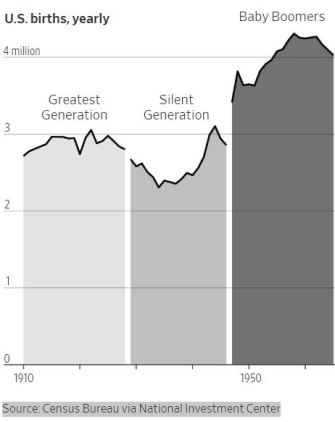 The rise of technologies that help the elderly stay in their homes threatens to upend one of commercial real estate’s biggest bets: Aging baby boomers will leave their residences in droves for senior housing.
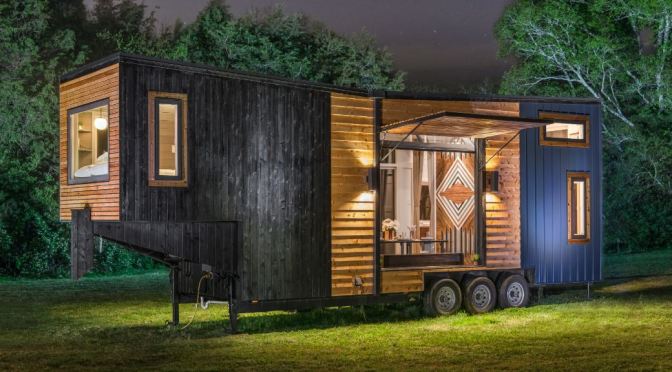
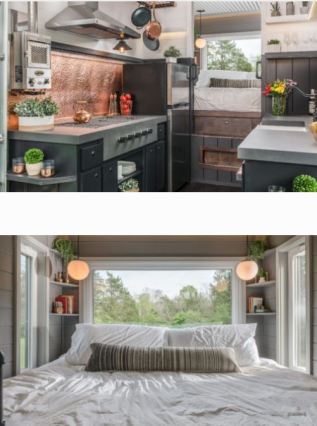 Chef’s Kitchen

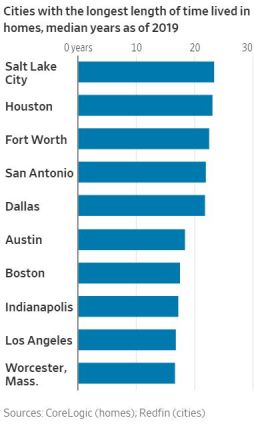 Economists say aging baby boomers are the biggest culprits because many are staying healthier later in life and choosing not to downsize. Some look around at the lack of smaller, less expensive homes and are loath to get into bidding wars with their children’s generation to get one.
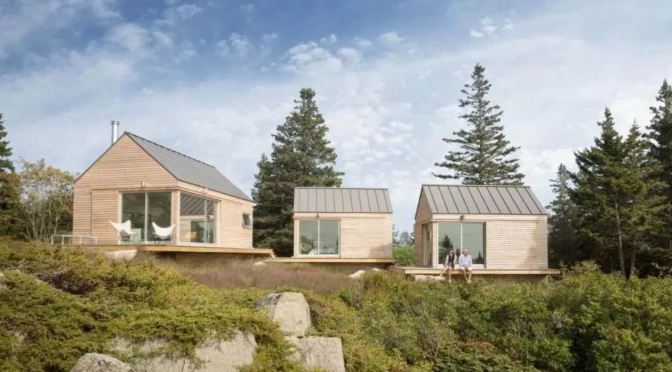
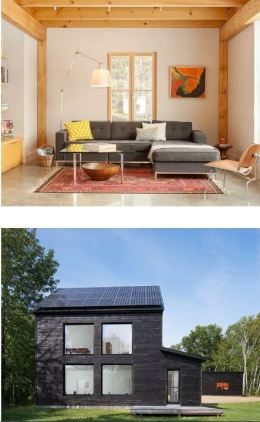 To meet Passive House standards, the Cousins River Residence features an airtight building envelope, triple-glazed windows with a u-value of 0.16, a heat recovery ventilation system with 90% efficiency, and a 4.6 kW south-facing photovoltaic array on the garage roof that makes the house nearly net-zero energy.
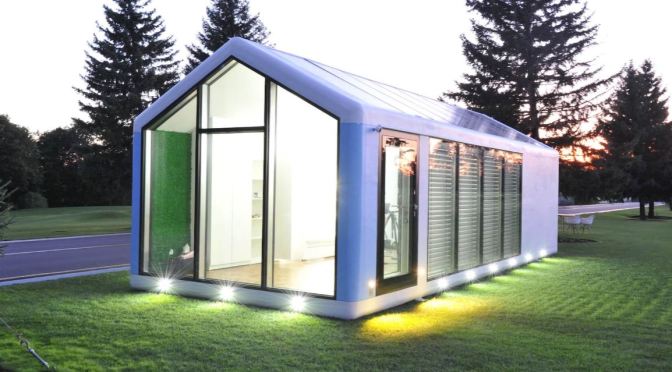
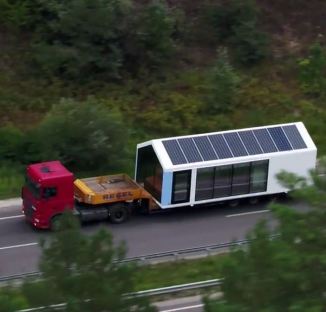 Haus.me