The coronavirus pandemic led to shortages in the blood supply across the U.S. Scientists around the world are working on a potential solution. The Future of Everything looks at the process of making artificial blood.
Illustration: Timothy Wong

The coronavirus pandemic led to shortages in the blood supply across the U.S. Scientists around the world are working on a potential solution. The Future of Everything looks at the process of making artificial blood.
Illustration: Timothy Wong
Want to not only fall asleep quickly but also stay asleep longer? Sleep scientist Matt Walker explains how your room temperature, lighting and other easy-to-fix factors can set the stage for a better night’s rest.
Sleeping with Science, a TED series, uncovers the facts and secrets behind our nightly slumber. (Made possible with the support of Beautyrest)
Check out more: https://go.ted.com/sleepingwithscience
Did you know you go on a journey every night after you close your eyes? Sleep scientist Matt Walker breaks down the difference between REM (Rapid-Eye Movement) and non-REM sleep, what occurs during each stage of sleep — and why it’s important to get enough of both. Sleeping with Science, a TED series, uncovers the facts and secrets behind our nightly slumber. (Made possible with the support of Beautyrest)
Check out more: https://go.ted.com/sleepingwithscience
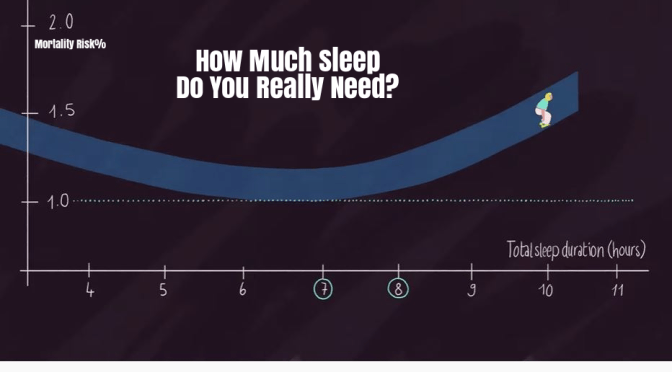
You know you need to get enough sleep, but the question remains: How much is enough? Sleep scientist Matt Walker tells us the recommended amount for adults and explains why it’s necessary for your long-term health. Sleeping with Science, a TED original series, uncovers the facts and secrets behind our nightly slumber. (Made possible with the support of Beautyrest)
Check out more: https://go.ted.com/sleepingwithscience
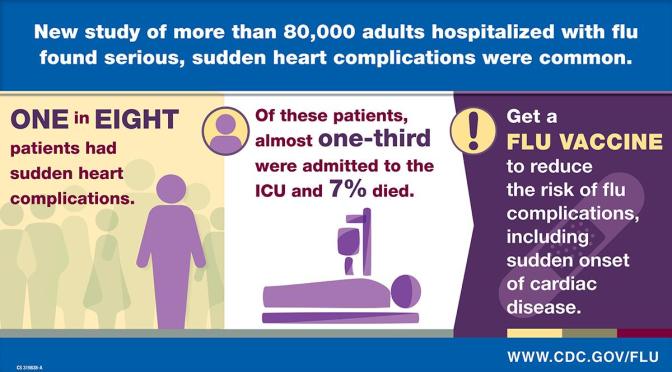
CENTERS FOR DISEASE CONTROL & PREVENTION (August 25, 2020) – A CDC study published today that looked at more than 80,000 U.S. adults hospitalized with flu over eight flu seasons (2010-11 through 2017-18) found that sudden, serious heart complications were common and occurred in one out of every eight patients (~12% of patients).
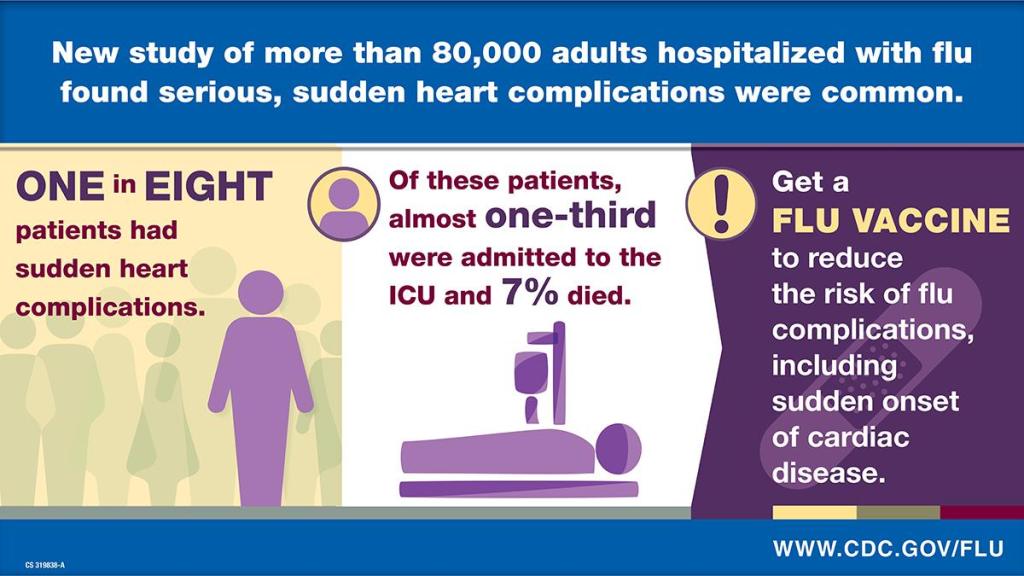
The study looked at a range of sudden heart complications called “acute cardiac events” that resulted in the following:
The most common acute cardiac events reported in the study were acute heart failure and acute ischemic heart disease. Acute heart failure is the sudden inability of the heart to pump enough blood to meet the body’s demands, while acute ischemic heart disease is a term that describes heart problems caused by narrowed or blocked heart arteries.
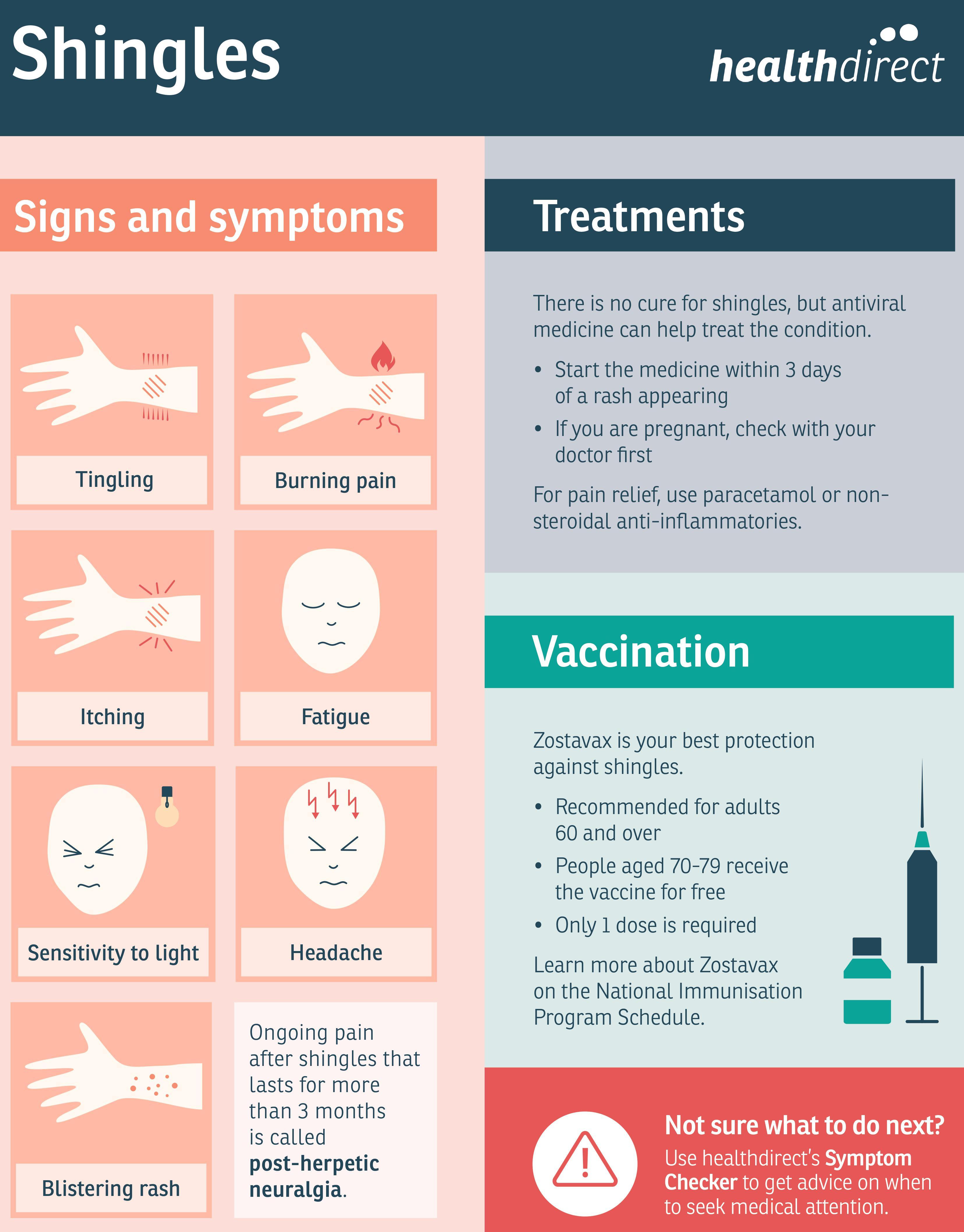
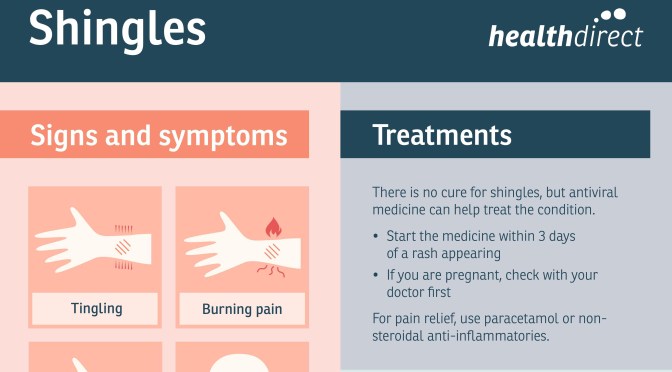
A reactivation of the chickenpox virus in the body, causing a painful rash. Anyone who’s had chickenpox may develop shingles. It isn’t known what reactivates the virus.Shingles causes a painful rash that may appear as a stripe of blisters on the trunk of the body. Pain can persist even after the rash is gone (this is called postherpetic neuralgia).Treatments include pain relief and antiviral medications such as acyclovir or valacyclovir. A chickenpox vaccine in childhood or a shingles vaccine as an adult can minimize the risk of developing shingles.
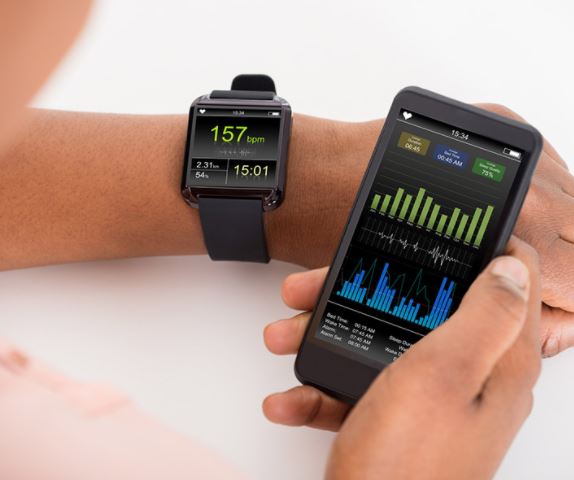
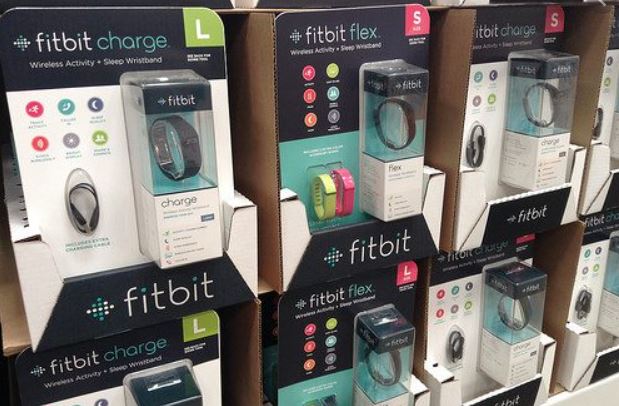
The principle behind these technologies is that collecting more data will help make us healthier. The message from experts I spoke with is that there’s potential in that idea, but it hasn’t been fulfilled yet.
NEW YORK TIMES (August 28, 2020): One big limitation of health devices, though, is that many people don’t know what to do with the data they see about their heart rate or how many hours they slept.
“We’re not doing a very good job of educating people what to do with that information. That’s the piece that’s missing,” said John Jakicic, the director of the Healthy Lifestyle Institute at the University of Pittsburgh. (Side note: For some people, having data on their sleep might actually be counterproductive.)
Ben Boudreaux, policy researcher with the RAND Corporation, describes how contact tracing can be used to track the spread of COVID-19 and explains the differences between manual and automated contact tracing.
Get more insights from RAND on the COVID-19 pandemic: https://www.rand.org/latest/covid-19….