
From a TechCrunch online review:
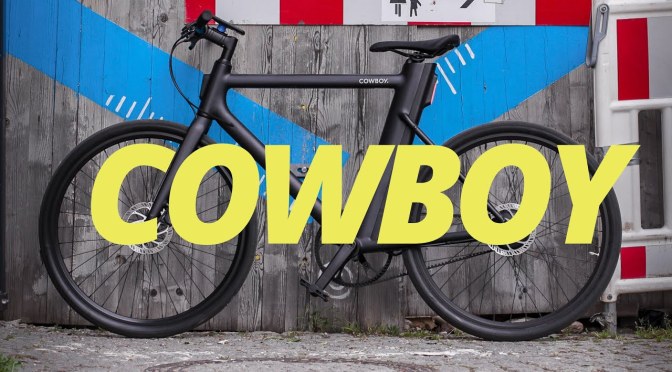
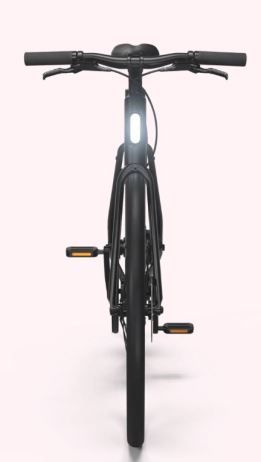 From the outside, the Cowboy e-bike is a sleek bike. It features a seamless triangle-shaped aluminum frame, integrated lights and a low-key Cowboy logo near the saddle. The handlebar is perfectly straight like on a mountain bike. The only sign that this is an e-bike is that the frame is much larger below the saddle.
The e-bike is relatively light at 16kg (35lbs). Most of the weight is at the back of the Cowboy e-bike because of the battery. But an investor in the startup told me that it wasn’t a problem and that he was even able to attach a baby seat at the back.
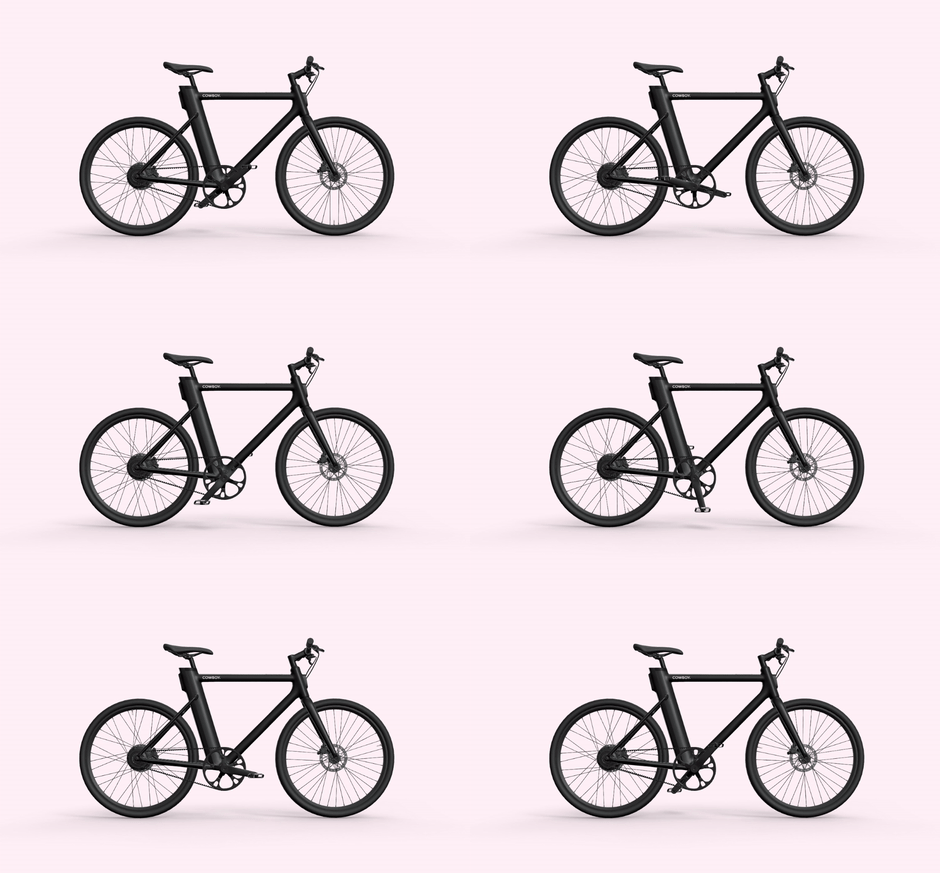
The two things you’re going to notice quite quickly is that there’s no gear and there’s a rubber and glass fiber belt. Cowboy has opted for an automatic transmission — motor assistance kicks in automatically when you need it the most, such as when you start pedaling, you accelerate or you go uphill.
To read more: https://techcrunch.com/2019/10/23/a-bike-lovers-take-on-the-cowboy-e-bike/
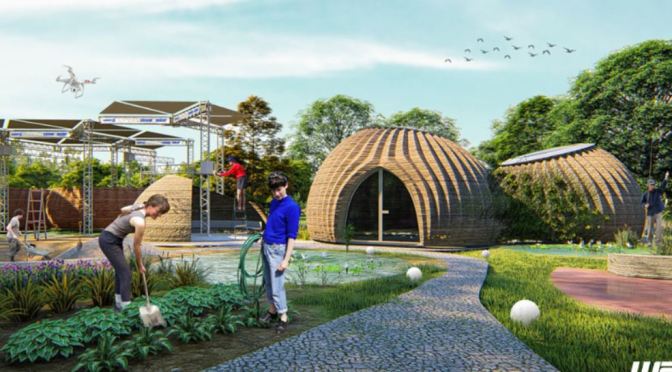
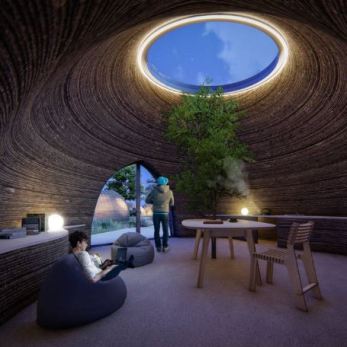 Designed by MC A and engineered and built by WASP, TECLA will be the first house to be entirely 3D printed using locally sourced clay – a biodegradable and recyclable ‘km 0 natural’ material which will effectively make the building zero-waste. It will be built to adapt to multiple environments, and it will be suitable for self-production through the use of WASP’s innovative Maker Economy Starter Kit. This approach will limit industrial waste and offer a unique sustainable model that will boost the national and local economy, improving the wellbeing of communities. Furthermore, the scheme will significantly accelerate the construction process as the 3D printer will produce the entire structure at once.

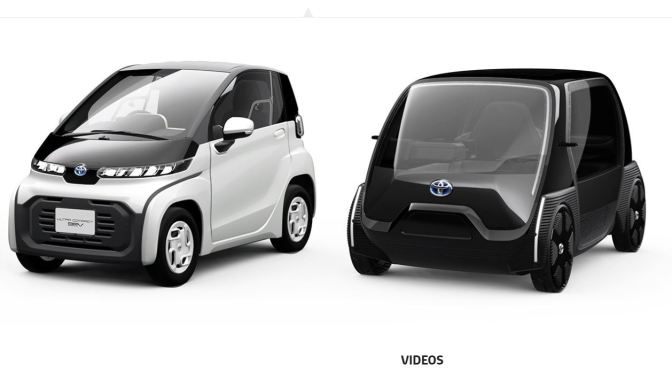
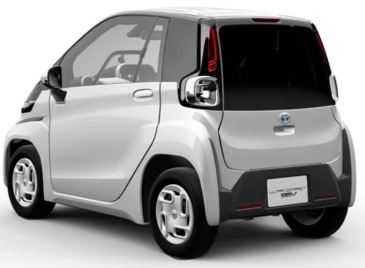 The ultra-compact, two-seater BEV is specifically designed to meet the daily mobility needs of customers who make regular, short-distance trips such as the elderly, newly licensed drivers, or business-people visiting local customers. It can be driven a range of approximately 100 km on a single charge, reach a maximum speed of 60 km/h, and features an extremely short turning radius.
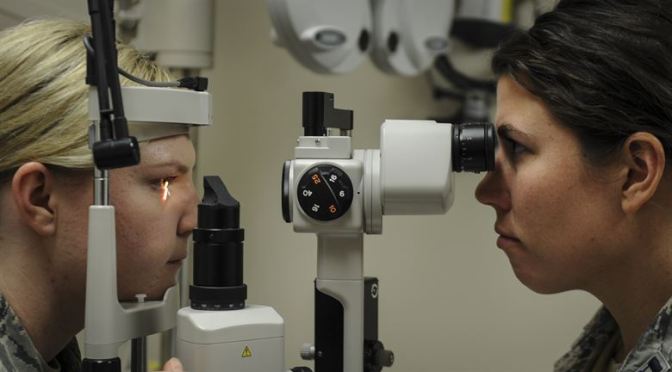
 Our 3D deep-learning system performed well in both primary and external validations, suggesting that it could potentially be used for automated detection of glaucomatous optic neuropathy based on SDOCT volumes. Screening with the deep-learning system is much faster than conventional glaucoma screening methods (ie, by experienced specialists), can be done automatically, and does not require a large number of trained personnel on site. Further prospective studies are warranted to estimate the incremental cost-effectiveness of incorporating this artificial intelligence-based model for screening for glaucoma, both in the general population and among at-risk people.
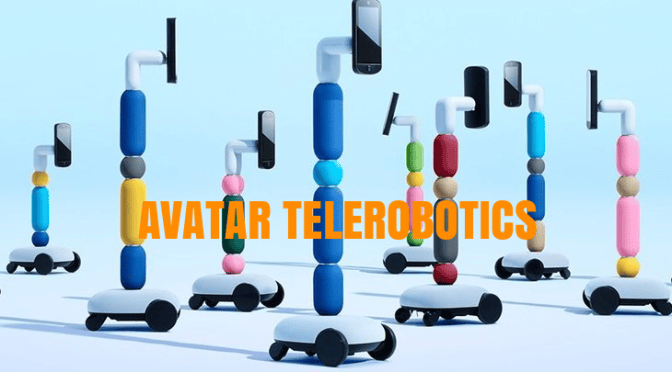
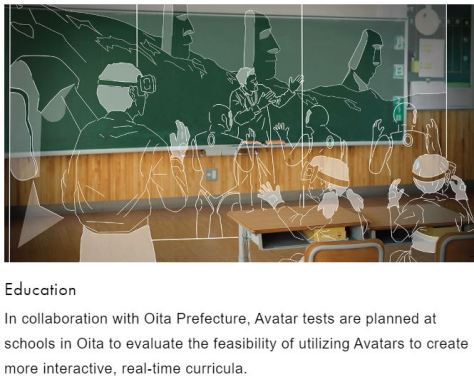
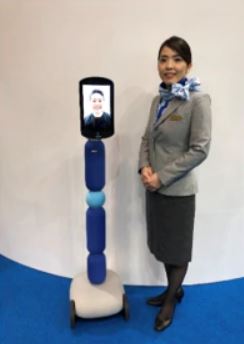 As part of the ANA Holdings exhibit, ANA is planning to unveil an all-new AVATAR robot “newme”
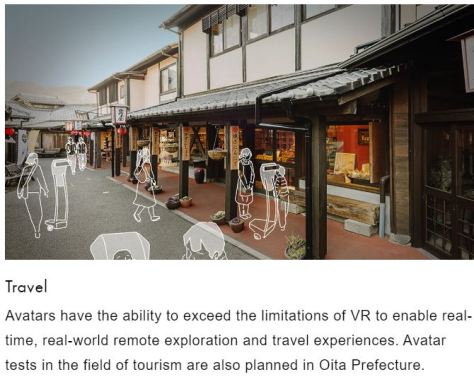
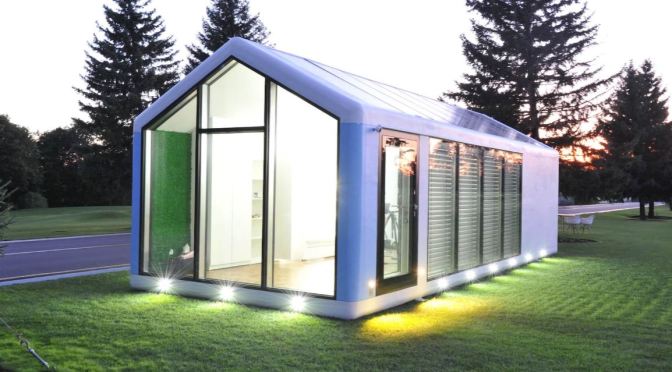
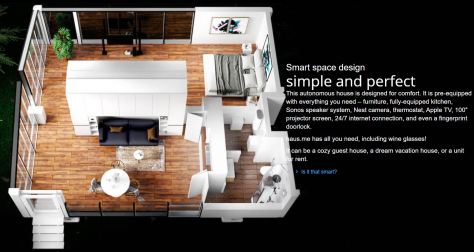
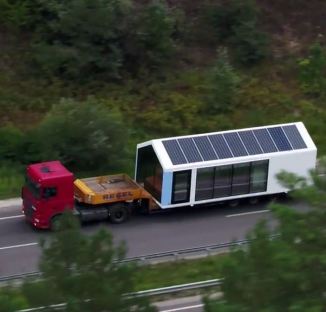 Haus.me
 Even with a few months of 2019 left to go, we feel confident that the
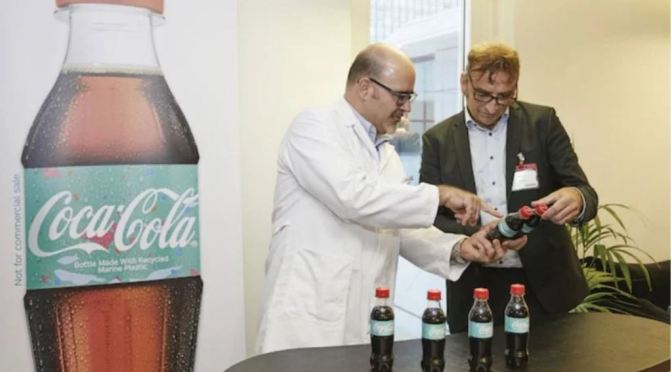
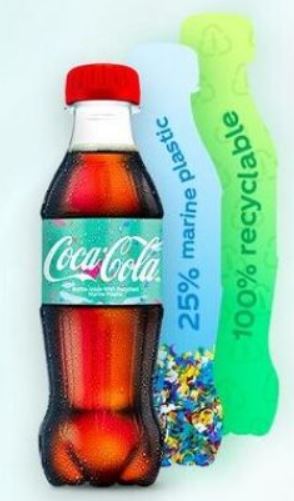 the recycling technology is the result of a partnership between coca-cola, the dutch startup ioniqa technologies and indorama ventures, one of

