
From a Harvard Business Review article:
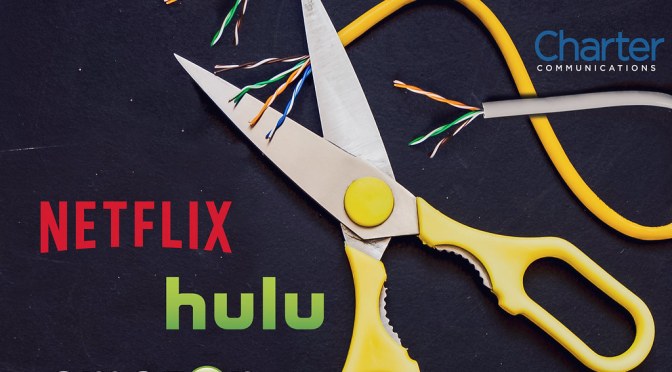
 Baby boomers remain the base of traditional PayTV. Even with the quickening decline of bundled TV services, 80 million U.S. households still subscribe to cable, satellite, and fiber-based video services.
Well over half of all older consumers are already subscribing to at least one streaming service, with a quarter of Americans over age 50 having cut the cord to linear services by the end of 2018.
 The traditional video marketplace is no more. Driven by a combination of technologies including high-speed internet access, billions of mobile devices, and falling prices for high-resolution displays, television as we have known it for decades is undergoing a radical reinvention, one that will reshape the media ecosystem. Just in the last few months, game-changing streaming services have been announced or launched from industry giants including Disney and NBCUniversal, spurred in part by billion-dollar investments from newer entrants such as Netflix, Google, and Apple.
To read more: https://hbr.org/2019/11/for-streaming-services-navigating-generational-differences-is-key

 “Will price transparency lower health care costs? Economic theory and hospital opposition suggest it would, but the answer is not as straightforward as you might expect and could differ from market to market. Health care is a
  Intellicurious